
Black Kansas City always had to tell its own story. The Star too often looked away
In April 1968, a teenage wannabe-revolutionary clothed in black, her black beret covering a sagging afro, stood tall on the porch of a small, green Kansas City frame house with her fist in the air. Carloads of young, angry Black men raced across 55th Street honking their horns and shouting. The teenager hoped that these Black activists would see that Black power believers lived in that house, and that it would be protected. I was that girl.
I had always felt safe in my home and my neighborhood, so I had no real fear of what those men might do to my family. But I read extensively and knew that these people were the ones identified on television and in the newspapers by their race before their names. They were a lowercase “n,” — “an angry negro male,” or “a violent negro.” Those stereotypes were what I feared. I knew that those men were filled with rage and looking for an outlet for their anger. I also knew that no matter what they did — whether driving and voicing their grievances, or throwing Molotov cocktails through store windows — that they would be villainized. The press would paint them as hoodlums whose innate nature caused them to pander and destroy. No consideration would be given to the catalysts of their anger.
A significant part of the blame for the violence was placed on the African American community. Little ink was spent on the causes of the violence. According to the mainstream press, disgruntled, unappreciative “negroes” were causing the chaos and bedlam. I proudly say that some of that chaos occurred because disenfranchised African Americans were standing up, speaking truth to power and refusing to accept their preassigned places in the community.
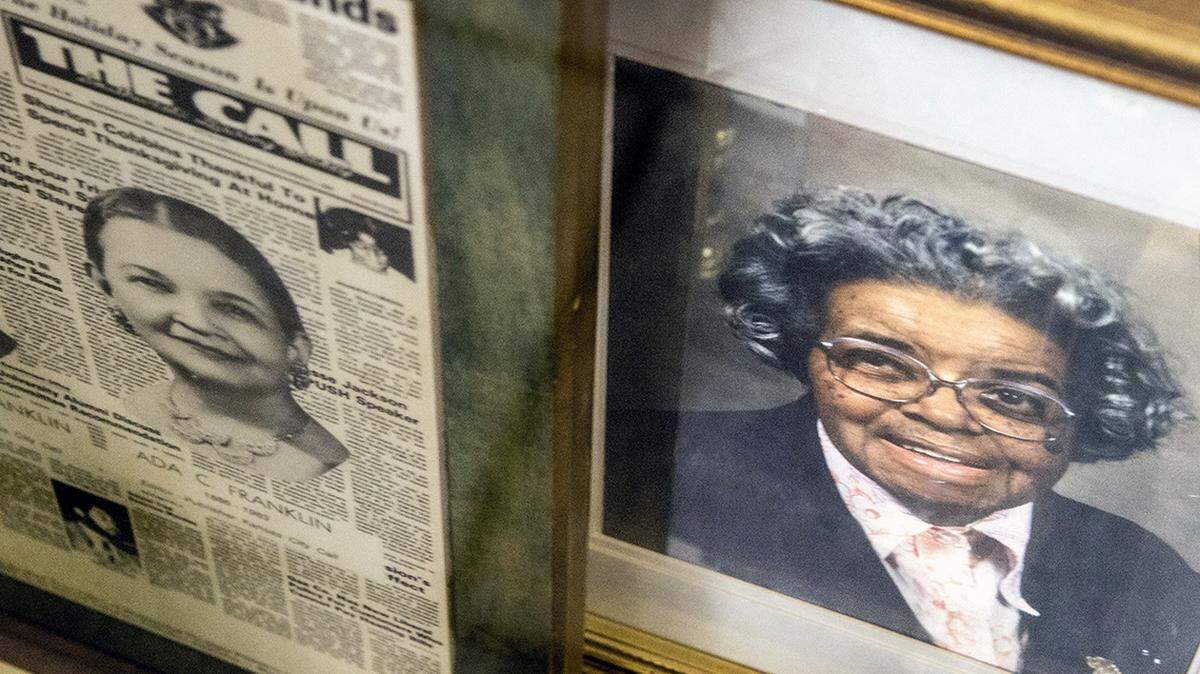
That day of violence following the racially invoked murder of Dr. Martin Luther King Jr. changed our community. Blinders on our eyes and unspoken words of inequity dissipated. Symbols of racial oppression were openly acknowledged. A refusal to stay silent or ignore overt racial oppression filled our homes, our churches and our media. The views and attitudes of the divided communities in Kansas City were clearly reflected in the news reporting. The Kansas City Star and Times wrote for a white readership. The Kansas City Call wrote to and about Black people. Copies of Jet magazine, Ebony and The Call graced coffee tables in nearly every African American home. Those who had a subscription shared with those who did not.
We looked to those Black news sources, most of which were connected to the Associated Negro Press, to learn what was going on in our world and for opinion pieces on how we should feel about it. We knew that although we could get local news from The Star and Times, those papers were biased in their reporting. The views of white people would be dominant in their news stories. We would have to look to our own people for the truth.
I would love to cite the old adage that “trouble don’t last always,” and in many ways, conditions have changed. Television stations now show the picture of victims and alleged perpetrators and let their viewers draw their own conclusions about the person’s race. Newspaper accounts no longer mention race, but they also print pictures.
These are minor upgrades in race relations. In all fairness, The Star did rightfully assign blame in 1968 to errant, unthoughtful police for throwing the seven tear gas canisters that started the riots at City Hall. In another courageous story, The Star recognized the heroism of several African American boys who carried Father Edward Warner to safety. The priest had come to City Hall to help quell the disturbance and identified himself as a priest, but was still disabled by police actions.
The Call also made an unprecedented appeal outside of its normal readership directly to Kansas City’s white readers imploring them to “help Martin Luther King’s dream come true by ending all forms of discrimination and segregation in this city.” Black people shook their heads at the paper’s entreaty to white Kansas Citians. They knew that the first step — to make all people feel welcome — was not to happen soon.
There was never a consensus among media sources as to the direction the journey toward equity in reporting would take. As an example, The Star has too often chosen to illuminate the views of older African Americans who have gone through the struggle and were gratified with any progress, while downplaying arguments by young radicals who are dissatisfied with the slow movement toward racial equality. The Call held fast to its views that there were entirely too many steps that Black folks had to take to assume the stride of the white community.
Like the staff of The Call itself, most African Americans knew then that we could not rely on the white press to be fair and accurate. We must tell our own stories, promote our own truths, control our racial narratives.
Dr. Carmaletta Williams is executive director of the Black Archives of Mid-America Kansas City.
This story was originally published December 20, 2020 at 5:00 AM with the headline "Black Kansas City always had to tell its own story. The Star too often looked away."