
We must bridge the tribal divide in our country. That takes listening and understanding
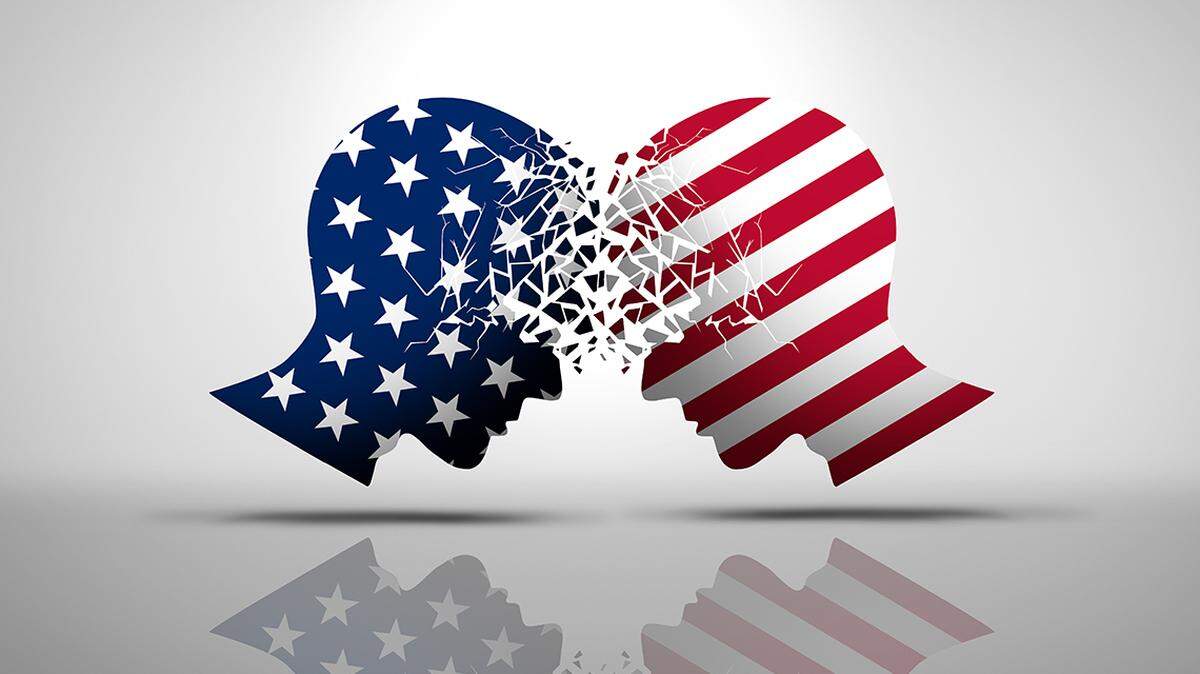
Now that we have finally begun to emerge from the endless election, as well as the last four years, it seems that there is a core issue that we must all face.
Obviously, addressing the coronavirus and its impact on the health of Americans, as well its impact on the economy, is the highest priority. However, beyond that, allow me to suggest that a close second priority must be addressing the deep tribal divide in this country.
We need to understand that what has happened to us is so destructive that we have even allowed a pandemic — a public health crisis — to become part of the political divide. Some people actually believe that COVID-19 is not real. Their belief is not based on any facts, but they are committed to their perspective because they have attached the severity of this virus to the media — and they believe the media has both exaggerated the coronavirus’ risks and also fundamentally looks down on these people as uninformed. And they are correct in finding that much of the media, as well as the “establishment,” looks at Americans who go to church regularly, who are abortion opponents and who are uncomfortable with the changing world around them as ignorant racists who don’t know any better. For the most part, these individuals are suspicious of the media because the media has done little to earn their trust.
In response to that, these Americans view much of the media and their highly-educated fellow citizens as snobs and people who want to exercise control over their lives by taking away their guns, changing their school curricula and declaring everyone who is white racist.
This is not a pleasant set of ingredients from which to grow a united country.
Politicians in both parties pour salt on these wounds by exaggerating differences and reducing our political choices to slogans and buzzwords such as “socialists,” “fascists,” “defund the police” and “law and order.” We really need to break this cycle if we want to become what America is supposed to be: e pluribus unum — out of many, one. While we have never entirely lived up to that promise, it seems particularly dissonant with the reality of the current moment.
So, I want to propose an idea to every person reading this column: If you voted for President Donald Trump, find someone who voted for President-elect Joe Biden. If you voted for Biden, find someone who voted for Trump. Engage them in a real conversation to understand why they did what they did. Don’t judge them because of their choice. Understand that they did what they did for reasons that they thought were right for the nation, as well as for themselves. Begin to listen to what they are saying, seek to understand their perspective. You need neither change your mind nor try to change theirs — that isn’t the point. Try to build a trusting relationship. It isn’t easy, but it can happen. I have successfully tried this myself, so I speak from experience.
I’m calling this small task the Coming Together Project. Doing it may seem insignificant to our bigger problems, but it matters more than you think. No one person or organization alone can repair our tattered social fabric. It can only be done town by town, block by block, relationship by relationship. If you undertake this challenge, not only will you find as I did that the experience is rewarding, but you’ll see how doing it actually helps you to become a better citizen, community member and American.
As the founder, CEO and board chair of American Public Square at Jewell, I run an organization committed to trying to improve the tone and quality of our public dialogue. Yet still, I know that we all can do more. Thus, I am asking our board of directors — a diverse group in every way — to join me in committing to the Coming Together Project.
If enough people do this, we can show other fellow Americans that we can learn again how to disagree without hating each other. And in the process of genuinely trying to understand someone from the other side of the political divide, we are sure to learn something that we never knew, or to be forced to rethink an issue in a new way.
Let us know at American Public Square if you will be part of the Coming Together Project as we try to unify our community in an effort based in mutual respect and tolerance. We think it can work. Won’t you join us?
Allan J. Katz is founder, CEO and board chair of American Public Square at William Jewell College and former U.S. Ambassador to Portugal.
This story was originally published December 10, 2020 at 5:00 AM with the headline "We must bridge the tribal divide in our country. That takes listening and understanding."