
This Kansas City plan can fight racial inequity with practical, affordable housing
Kansas City is finally staring hundreds of years of its systemic racism in the face. As uncomfortable as it is to acknowledge, it must be examined and repaired before we can begin to heal from it.
While white Americans have built wealth and transferred it to their offspring largely through home ownership, in the not-so-distant past, multiple forces locked arms to block Black Americans from owning their own homes. The lack of affordable housing has created a cavalcade of stressors that literally send our Black and Brown friends and neighbors to an early grave.
It’s called toxic stress. African Americans are more likely to work in low-paying jobs without benefits such as health insurance and paid leave, leading to economic instability. They are more likely to live in neighborhoods with high crime, violence and lower-performing schools. Food insecurity is also an issue impacting health outcomes and economic well-being. According to the 501(c)(3) nonprofit the Century Foundation, African Americans experience hunger at twice the rate of white Americans, including one in four African American children. Hunger can lead to chronic illness and has been associated with low birth weight, diabetes, cancer, pregnancy complications and mental distress.
Imagine the stress of not being able to pay your rent, facing eviction, staying with relatives, moving frequently or spending the majority of your income on housing. These multiple sources of chronic stress can be toxic. And according to the Center for the Developing Child at Harvard University, this stress can have damaging effects on learning, behavior and health across people’s lifespans.
As the leader of the Urban Neighborhood Initiative in Kansas City, this reality equally disheartens and drives me to reverse the impacts of the invisible and insidious conscious and unconscious racism. Our mission is to break the intergenerational cycle of poverty and historical racial inequities caused by decades of neglect and systemic racism by building healthy neighborhoods that enable all children and families to thrive.
We do that by working to ensure healthy social and physical neighborhood environments, including addressing the many vacant structures and lots in our area. Much of our focus is on the maintenance and expansion of safe, affordable housing, which is at a critical shortage in the urban heart of our city. To a great extent, the affordable housing that does exist is in dire need of repairs that current residents, many of them elderly, cannot afford to make.
To address this need, the Urban Neighborhood Initiative has convened a collaborative group to work diligently on policies for affordable housing and healthy neighborhoods. We have developed plans for 39 townhome-style mixed-income units on two vacant lots we purchased in the Wendell Phillips neighborhood. That housing is a key component of the Phillips Collective Purpose Built Community, a model that focuses on defined neighborhoods where transformative programs and infrastructure can be established. If we can change the place, we can change outcomes for the people who live there.
We have also acquired the options on 100 additional parcels from the Land Bank of Kansas City and the Homesteading Authority. We have a partnership with Habitat for Humanity for development of properties, and we are working with the neighborhood to create a master plan that will enable people to purchase their own homes.
Kansas Citians continue to examine hundreds of years of racial inequity and the negative impact it has wrought on life outcomes for generations of their Black and Brown neighbors. Many wonder how they can work to right the wrongs of systemic racism. We invite them to join our efforts to enact policies and programs to provide affordable housing to our neighbors, including opportunities to build wealth through home ownership.
We encourage companies and individuals to rectify the impact of racial inequities wrought by policies and practices of the past and present. They can do so by helping provide funds to reduce poverty and toxic stress, changing the outcomes for those living in areas targeted with oppressive practices over time.
We can come together and make real, lasting change. We can improve lives and restore hope for our residents who deserve the same opportunities as their neighbors in Kansas City’s higher income ZIP codes.
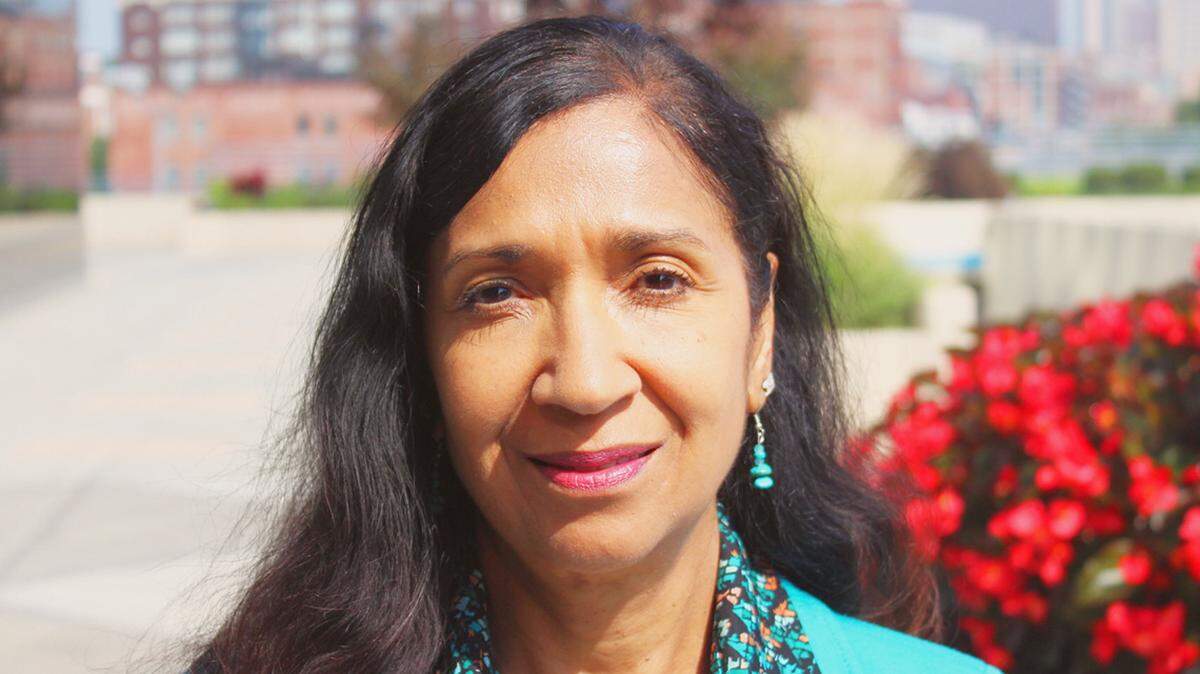
Dianne Cleaver is president and CEO of Urban Neighborhood Initiative, a 501(c)(3) nonprofit that is one of the Greater Kansas City Chamber of Commerce’s “Big 5 Initiatives.”
This story was originally published August 6, 2020 at 5:00 AM with the headline "This Kansas City plan can fight racial inequity with practical, affordable housing."