
COVID-19 in an opportunity to build a Kansas City better prepared for climate change
“Hope” is the thing with feathers -
That perches in the soul -
And sings the tune without the words -
And never stops - at all -
In the Kansas City region, there is hope and resilience in the time of COVID-19. We stand on the shoulders of leaders and poets alike, clear that we will overcome current challenges, creating a new if still undefined normal. And the process itself may prepare us to take on elusive future challenges with an expanded sense of possibility. One of these challenges is the constellation of climate change.
A collaboration among hundreds of community partners has been working to prevent the worst of climate change, and to prepare us to bounce forward from its expected impacts. Like COVID-19, climate change requires us to design for both short- and long-term community challenges. Our work to address public health, food security and economic stability during the pandemic may create a foundation for creating resilience in the face of climate change at the same time.
Climate Action KC and the Mid-America Regional Council are facilitating a metropolitan area-wide collaboration to develop our Regional Climate Action Plan. The plan will facilitate actionable strategies in multiple sectors — transportation, energy, construction, affordable housing, food, water, waste and ecosystem restoration. In each area, multi-benefit strategies will address interlinked community issues of public health and safety, social equity, economic vitality, innovation and ecological integrity.
Like COVID-19, climate change is certain to concentrate its impacts on the most vulnerable among us. Ours is a giving and caring community, and this has never been more evident than today. Yet social and environmental factors affect health outcomes, whether during the pandemic or future extreme weather events.
A variety of proven solutions could be implemented at larger scales. For example, food security, nutrition and public health are measurably improved by local gardens and orchards, fueled by soils that could be restored with compost generated by the more than 350,000 tons of food waste our area throws out each year. Putting carbon back in the ground strengthens nature-based solutions, which are literally the low-hanging fruit of climate adaptation. Trees and forests provide habitat along with clean air and water, make streets more walkable, save energy, reduce flood risks and of course give us places to hang our hammocks or park in the shade.
Restored streams serve as urban air conditioners, offsetting urban heat islands, which will be exacerbated by future climate trends. While the environmental benefits of native landscapes stack up, they also add a measure of calm and beauty — crucial elements in times of stress and anxiety. Likewise, more efficient use of energy and water reduces greenhouse gas emissions, and also reduces economic burdens on vulnerable communities during heat waves by making utilities more affordable.
Both the pandemic and climate change create an opportunity to find elegant, flexible solutions. We have a unique opportunity in this moment to rethink the systems that structure and sustain our lives. Consider how our health, energy, transportation, water and food systems might be reconfigured to create resilience, beauty and vitality — and make them accessible to all. Or, given the remarkable new collaborations that have emerged in our region in recent months, imagine how our institutions might create enduring new decision-making processes that link community and environmental health with innovation, job creation and economic development.
Emily Dickinson reflected on hope, soul and song. Willy Wonka reminded us that we are the music makers. And we are the dreamers of the dreams.
To help us figure out how to turn our dreams, hopes and aspirations into creative, effective community strategies, please share your thoughts about climate solutions for the Kansas City region at climateactionkc.mindmixer.com.
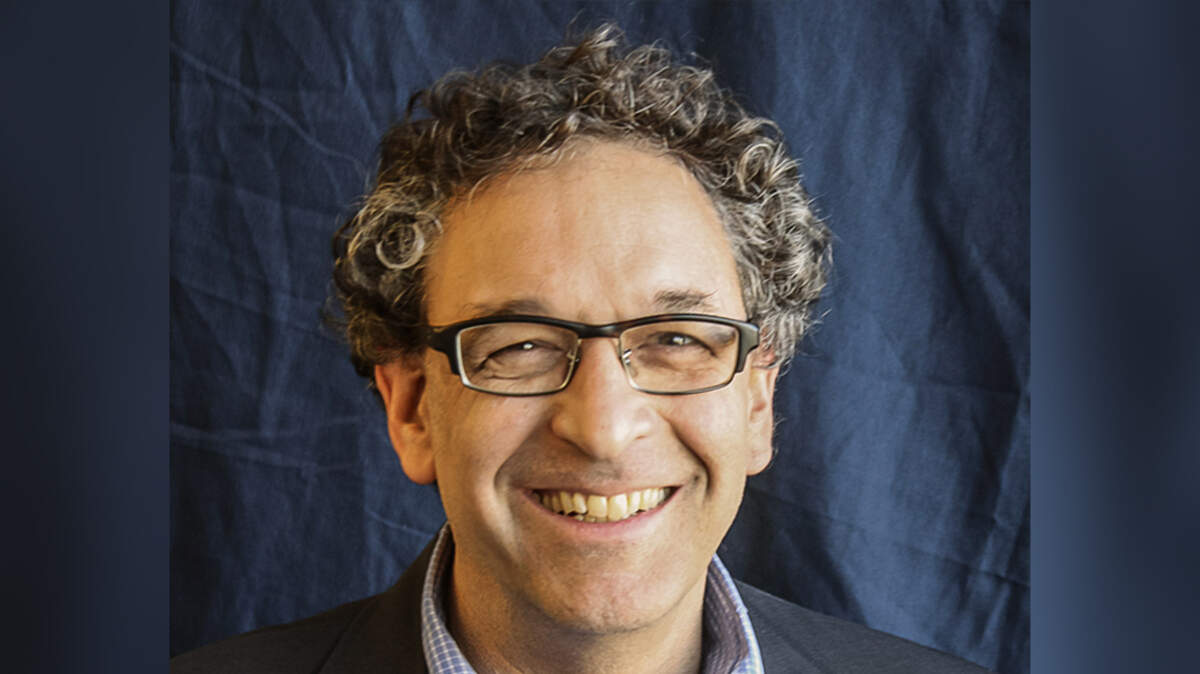
Tom Jacobs is director of environmental programs for Mid-America Regional Council.
This story was originally published July 8, 2020 at 5:00 AM with the headline "COVID-19 in an opportunity to build a Kansas City better prepared for climate change."