
In COVID-19 era, Missouri schools, nurses and first responders face a funding crisis
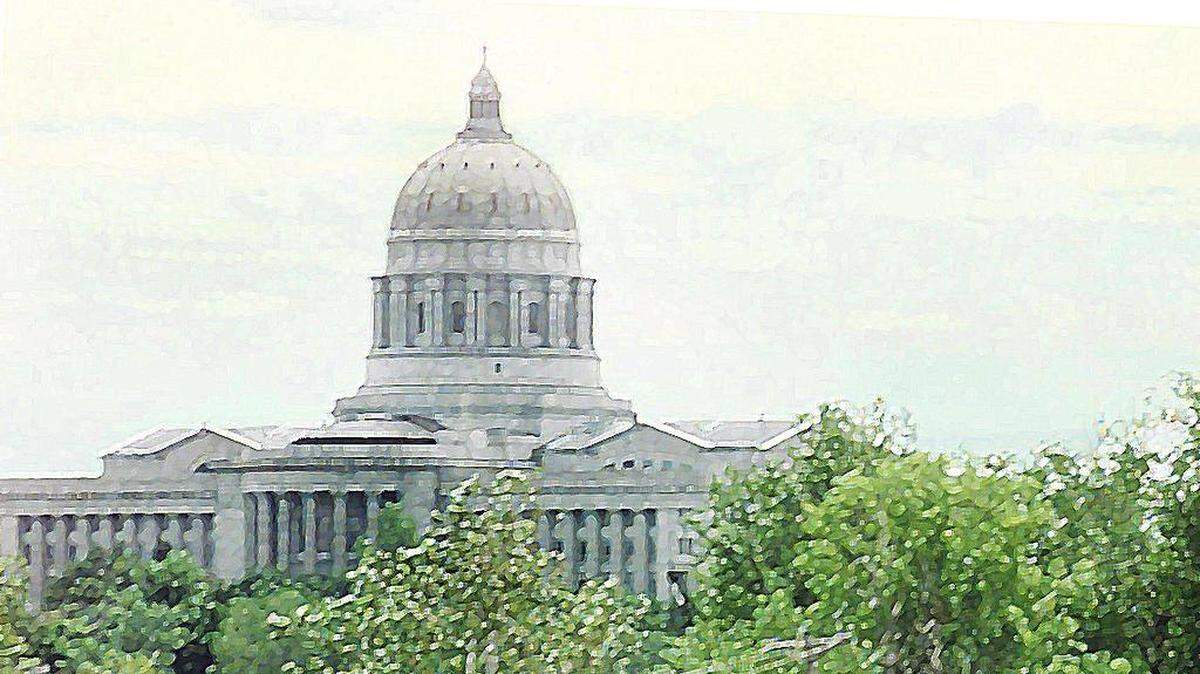
A few weeks ago, the Missouri House and Senate passed the budget for fiscal year 2021. It was Christmastime on the floor of the legislature that day, despite coming amid the most significant economic challenge of our time. The budget, while slightly smaller than last year, included few cuts.
Lawmakers promised to fund K-12 education fully. Missouri’s colleges and universities, usually the punching bag of the General Assembly, emerged bruised but not broken. There were even measures to expand rural broadband access and to help small meat processing facilities.
But this is politics Missouri statehouse style, and there is no such thing as a free lunch.
Immediately following the passage of the budget, Gov. Mike Parson declared federal aid was needed for the budget to work. His colleagues in the nonpartisan National Governors Association agreed, asking Congress for $500 billion in assistance to prop up state revenues ravaged by the COVID-19 pandemic. Missouri legislators stated that their new budget anticipated further relief from Congress.
So, what did those lawmakers do almost immediately after passing a budget dependent on federal relief funds? More than 100 of them signed a letter to Missouri’s congressional delegation in Washington asking them to reject any further bailouts for states.
Wait — what?
That’s right, many of the same people who voted to accept federal funds to prop up the state budget immediately turned around and begged Congress not to give it to them. Politics.
So, for the sake of gaining a small number of likes on Twitter and Facebook, many of our elected state representatives have jeopardized the future of education, transportation, law enforcement and the general welfare of Missouri’s people.
The truth is that additional federal relief is essential. The National Governors Association estimates that state budget shortfalls could be as high as 20% or even 30%.
The teachers in our local schools, families using food banks, nurses in rural hospitals and first responders already work with bare-bones funding. Chopping away 30% doesn’t mean these crucial workers will do more with less — they will only be able to do less.
Ask the 40 kindergartners with one teacher in a classroom next year. They’ll agree.
Those of us who teach, coach or counsel students already see the effects of this crisis on school district resources. Years ago, the legislature decided to use revenue from the gaming industry not as supplemental funds for education, but as a method to move general revenue out of the K-12 formula — in essence, giving with one hand and taking with another from our neighborhood schools.
With the casinos closed, gaming funds have dried up, cutting off millions in funding for Missouri’s students since the COVID-19 crisis began. And now, the governor has announced additional cuts, including $131 million from public schools and $41 million from higher education, that will further reduce the resources available for students and educators.
Missouri, it is not time to play politics. Parson said he believes that there is only a 50/50 chance that Congress will pass additional COVID-19 relief. We need to change those odds. Please consider calling or writing your senators and representatives to tell them Missouri’s students, teachers, nurses and first responders need further resources to preserve and protect the services on which we all rely.
Andy Slaughter is Missouri National Education Association Director.
This story was originally published June 6, 2020 at 5:00 AM with the headline "In COVID-19 era, Missouri schools, nurses and first responders face a funding crisis."