
KC’s next city manager will face tough decisions. Here’s how we can grow smarter
Kansas City is the largest corporation in this region, a property management company supporting nearly $29 billion in private investments. Even before the current crisis, Kansas City was underperforming, unable to adequately support basic services such as infrastructure, public safety, health and parks. And now we are set back further by a crippled economy. This is not the time to put off hiring our next city manager. We need skilled management perhaps more than ever before.
To guide us out of this predicament and toward a prosperous future, we need a city manager who understands:
▪ We’ve overbuilt.
From 1850 to 1950, Kansas City grew from a village to a full-fledged city of a half-million within 81 square miles. Since then, our population has remained steady while our geographic boundary has expanded substantially. A primary reason we struggle to maintain crumbling infrastructure and provide basic services is that each resident has at least four times as much city to support as our 1950 predecessors. Our new city manager should recognize we can’t afford to continue on this path. We must rethink how we grow.
▪ Productive development is necessary.
Productive development patterns provide positive tax revenue returns to our city on the infrastructure and public services investments they require. These patterns are found throughout the core of our city from the river to 63rd Street and in pockets elsewhere. Productive development patterns are characterized by a robust mixture of commercial buildings and a variety of housing types including single-family homes, duplexes, triplexes and multi-unit buildings, all in the same neighborhood. Our new manager must insist on positive returns on public investments in infrastructure, understanding that a positive return on our investments allows us to support the services and attributes that make a city truly great.
▪ The physical condition of our city requires strategic management:
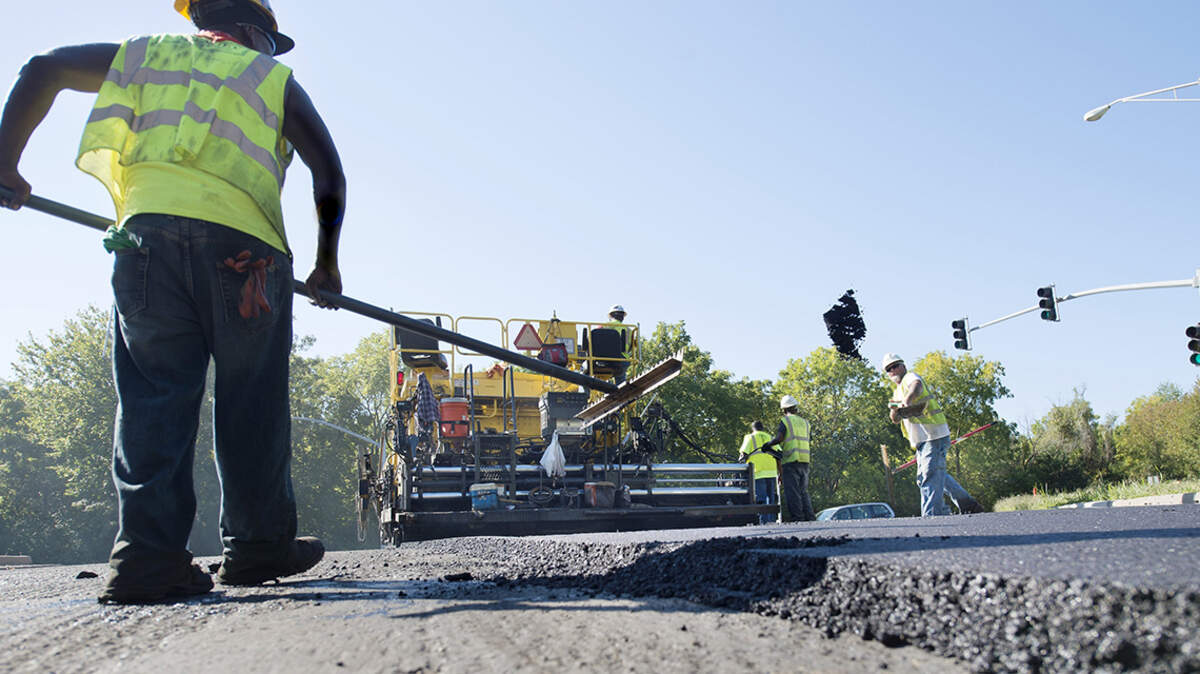
Nearly half our roads are in “poor” or “failing” condition. Sewers, sidewalks and many public buildings are in similar disrepair. The city manager is ultimately responsibility for maintaining the city’s assets. She or he should quickly assess the conditions of our city facilities and infrastructure and develop a realistic plan to address this problem.
▪ It needs to be easier for all Kansas Citians to participate in city-building.
Our development approval processes are geared toward large projects in spite of the reality that our city’s economy is driven by the daily decisions of thousands of individuals and companies. These daily actions add jobs incrementally, improve access to services and strengthen neighborhoods. Our city manager must clear a simplified path for all city-builders, especially small business owners, to navigate their way toward the equitable success that has long been missing.
▪ Data-driven decision making is crucial.
Our new city manager must address the reality of limited revenue growth and ever-increasing expenses by using clear metrics to make data-driven and outcome-oriented decisions. We must balance the priorities of our city’s fiscal health (its future ability to deliver) against the urgency of current demands (serving residents today). With respect to infrastructure, we must measure the financial benefit of revitalizing existing investments against the true long-term cost of building new.
▪ Strong leadership is necessary.
Leading Kansas City to be financially, environmentally, socially and culturally sustainable, while resolving the massive problems we face, will require strategic and coordinated problem-solving among multiple city departments. This requires a strong leader who inspires alignment among city departments and excellence from departmental leaders.
▪ We need to right the wrongs of our past.
All of us should have the opportunity to participate in building wealth. We must learn from the mistakes of our past and overcome the dividing lines and policies that restricted too many black Kansas Citians from participating in the prosperity of the last 70 years. Our city manager must value a path forward that allows all Kansas Citians, and especially those who have been systemically disenfranchised, to participate in making safe, vibrant and prosperous neighborhoods.
This is not the time to wait or compromise. As we move through the social, health and economic challenges facing our city, let’s make it a point to invest in the best city manager we can find, one with the skills needed to regain our prosperity and, this time, build an equitable and resilient Kansas City.
Dennis Strait is an architect, planner, landscape architect and the managing principal of the Kansas City studio of Gould Evans.
This story was originally published June 5, 2020 at 5:00 AM with the headline "KC’s next city manager will face tough decisions. Here’s how we can grow smarter."