
Mike Bloomberg’s agriculture plan would make up lost time for America’s black farmers
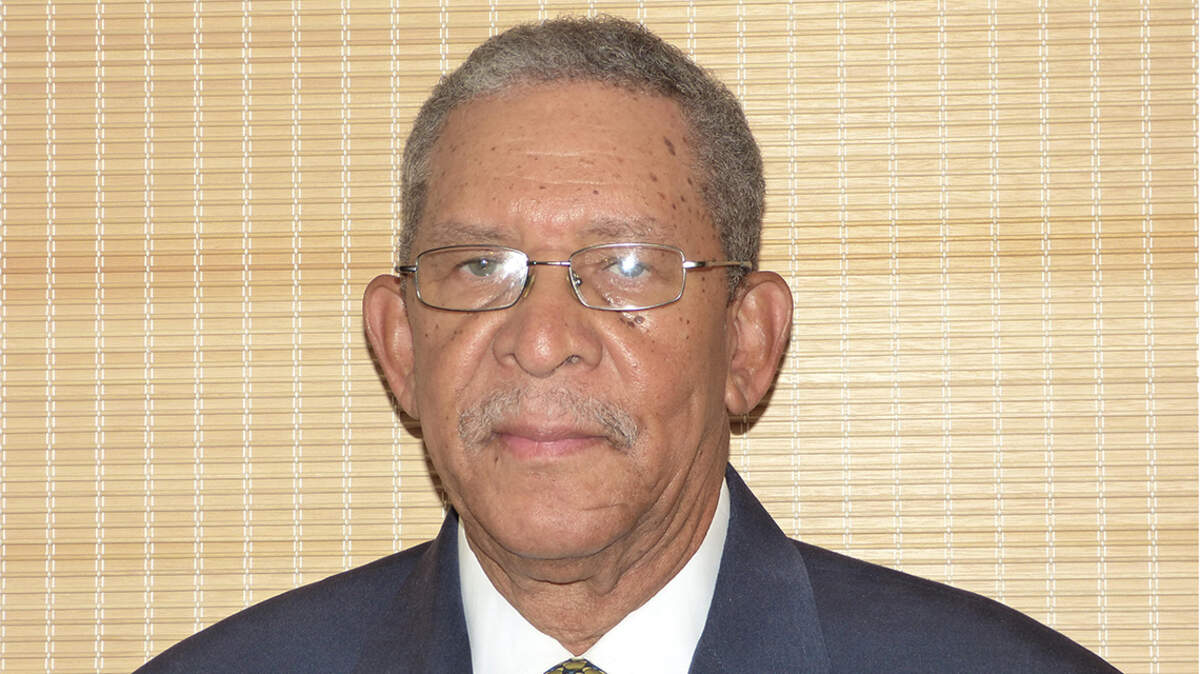
I am an African American farmer. I come from a family of farmers. Farming is what I know.
For 400 years, black Americans have tilled the soil. But as we know all too well, this land was not our land. That fact remains today for the black farmer, to the point of near extinction.
Land is the first and most basic ingredient of farming. Land requires capital. Capital requires credit. When President Abraham Lincoln created the United States Department of Agriculture in 1862, every American farmer, black and white alike, stood to benefit. For the black farmer, with emancipation came the hope of property ownership.
Yet then, as now, great barriers persisted. For centuries, USDA programs specifically designed to help black farmers often instead have done anything but.
Studies have found that USDA policies are largely responsible for the virtual erasure of black farmers altogether. From 1910 to 1997, black farmers lost 90% of the land they owned. During that same time period, 98% of black farm owners were driven from their property because they lacked proper ownership documents.
We all have read horror stories of how banks deny credit to black applicants through methods both direct and discreet. But discriminatory practices at the USDA have been no less harmful. Programs designed to support black farmers redound to the benefit of those with greater systemic advantage. Today, only 1.5% of American farmers are black, and those who still retain farm property own merely 0.5% percent of agricultural lands.
For 37 years, I worked at the USDA, leading the agency’s Office of Civil Rights under President Bill Clinton, and returning to serve in President Barack Obama’s administration. In 2009, I thought my charge was to resolve longstanding discrimination complaints. But I saw right away there might be a problem: There was not a single black face among the department’s senior staff. Though well-meaning, the end result of my return was little more than some rhetorical polish and reshuffled paper — too often the case in the fight for change.
Today, I till my land as a private citizen while the challenges of farming continue to grow. Trade wars have cut exports while bankruptcies have surged. The cost of materials goes up as climate change leaves too much farmland unplanted.
Having served under our last two Democratic presidents, I have read and listened to the proposals of well-meaning progressive candidates that too often fail to address our challenges at their root.
One exception is Mike Bloomberg. I found myself surprised by his grasp of the issues. His plan calls for expanding the USDA’s microloan program for small and first-time farmers, lowering the experience threshold for borrowers and doubling the maximum loan amount. He wants to create a pilot program for young farmers to use lease-to-own agreements on land from retiring farmers.
His plan suggests an understanding of the intrinsically American link between land and legacy. Under Bloomberg, the USDA would establish an estate planning division and support passage of the Uniform Partition of Heirs Property Act state by state. This would give families the right of first refusal before courts can force a sale, and if a sale happens, ensure that it maximizes return. For black farmers accustomed to generational theft, these measures would be welcome.
At my old turf in the USDA’s Office of Civil Rights, Bloomberg pledges an independent investigation to identify vital reforms and to conduct regular audits to assess black farmers’ access to USDA grants and programs. Critically, the plan calls for extending the statute of limitations for civil rights complaints, which could result in billions in compensation for those wrongly denied credit.
The sad truth is that too many black bodies have bled and sweat over American soil, only to be erased by history, policy or outright theft.
No single office or policy can alter this history, and the four-year term of a president pales next to a 400-year legacy of oppression. A reversal of fortune — dare I say reparation — begins first and most simply with a leader in the White House who understands the true scale of the challenge.
Lloyd E. Wright is a farmer and a retired United States Department of Agriculture employee with 37 years of service. He served as the director of the USDA Office of Civil Rights from 1997 to 1998, during the beginning of the Pigford black farmer class action lawsuit. Wright served as an adviser to Secretary of Agriculture Tom Vilsack and worked on civil rights program complaints that were filed between 2000 and 2008 but not processed.
This story was originally published February 28, 2020 at 6:00 AM.