
Lift the veil on dark money’s corrosive effects
My mother gave me the same advice that many parents give their children: Don’t do anything you don’t want to appear on the front page of the newspaper. But many financial supporters of political campaigns for candidates and policy issues don’t want to have their names shared on any page of the paper.
And while some may have understandable reasons for that, the lack of information is bad for our democracy.
As someone who has been involved in politics and government pretty much my whole life, and who has also served as a federal prosecutor, I appreciate the problems that can result when money and public service mix. But in my opinion, the problems aren’t caused by the typical meal provided to a legislator by a lobbyist. These days everyone has lobbyists, from teachers to corporations to unions to older folks.
Nor do contribution limits really end up limiting anything. They simply force the excess contributions through paths that make identifying the true source of the money more difficult.
No, the biggest issue is so-called “dark money” — and it is a problem on both sides of the political aisle.
The argument against disclosing donors’ identities is that it opens them to harassment, leading to a chilling of their First Amendment right to political expression. There is some truth to that. In our increasingly factionalized political landscape, partisans on one side can be aggressive toward those on the other, sometimes unfairly so.
But rights are often balanced against other rights. And the right of voters to make informed choices should be paramount. If you want to participate, you should understand that it comes with the cost of disclosure of your participation.
The primary vehicle for dark money is through nonprofit groups organized under section 501(c)(4) of the Internal Revenue Code. These groups cannot have political activities as their primary purpose, but they are permitted to engage in political activities. And they do not need to disclose their donor lists. These groups have names such as “Tigers for Truth” or “Jayhawks for Justice,” and may run ads that sound like they are simply advocating for people to call a candidate to thank him or her for doing something the group supports, or to complain that he or she is shirking their duty. But make no mistake: These broadcast ads and mailers are designed to assist or hinder candidates in an election.
Current campaign contribution limits make it even more important that any group advocating for or against a candidate or issue discloses its donors. You may see in a campaign finance report that someone contributed the maximum to a candidate and think that is all the person has invested.
What if you knew that donor also contributed $1 million through a different dark money committee? You would no doubt wonder why, and it is fair for that to be a part of the public debate.
And what if you knew that same person also contributed to another nonprofit that purports not to be political, but filed a complaint against a candidate after its own “investigation.” Wouldn’t that be relevant to know?
Some states have passed laws requiring disclosure of donors from groups spending money in state campaigns. Missouri should adopt such a rule. But that will not solve the problem.
Federal authorities need to be vigilant about the abuse of nonprofits. And I’m not talking about alleged targeted IRS abuse of critics of an administration.
The stakes are too high to simply abandon enforcement of federal law. It must be done without respect to political affiliation. And that’s fair, because it’s not a problem limited to either side.
It is no wonder that so many citizens are cynical about the political process. As they become cynical, they are less likely to involve themselves in that process. And a less involved citizenry is not good for our nation’s future.
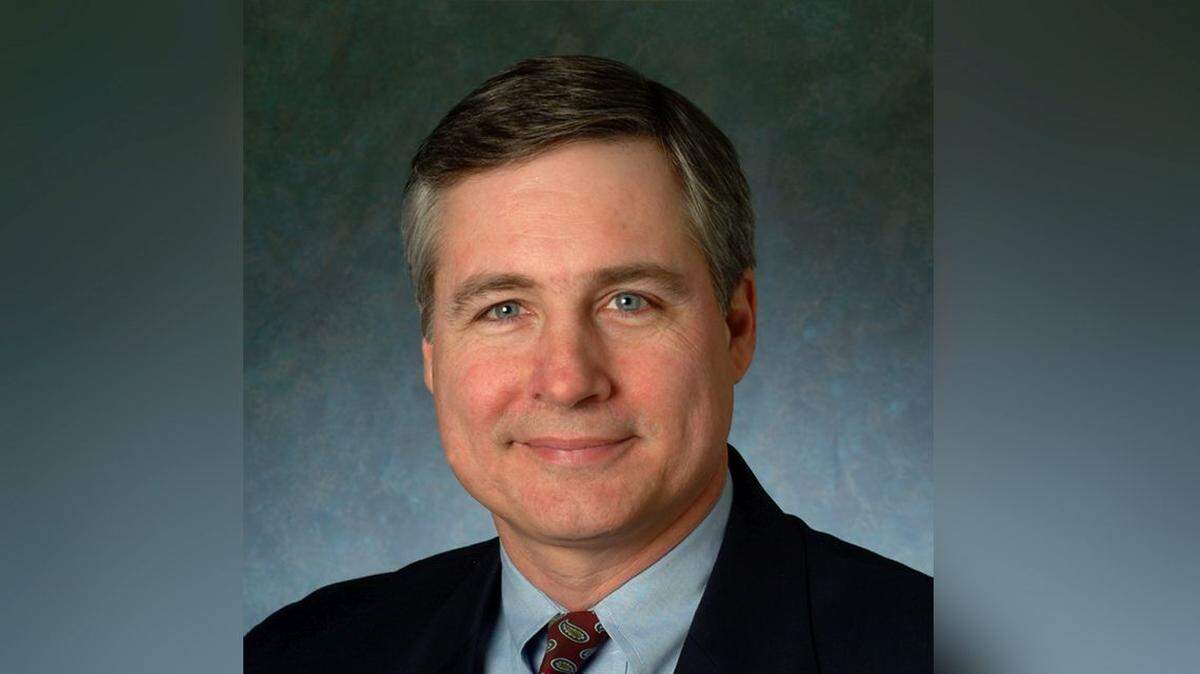
Jean Paul Bradshaw is an attorney at Lathrop Gage and a member of The Star’s Missouri Influencers panel.
This story was originally published August 29, 2018 at 8:27 PM.