
Joan Blades: Seeking common ground on a better criminal justice system
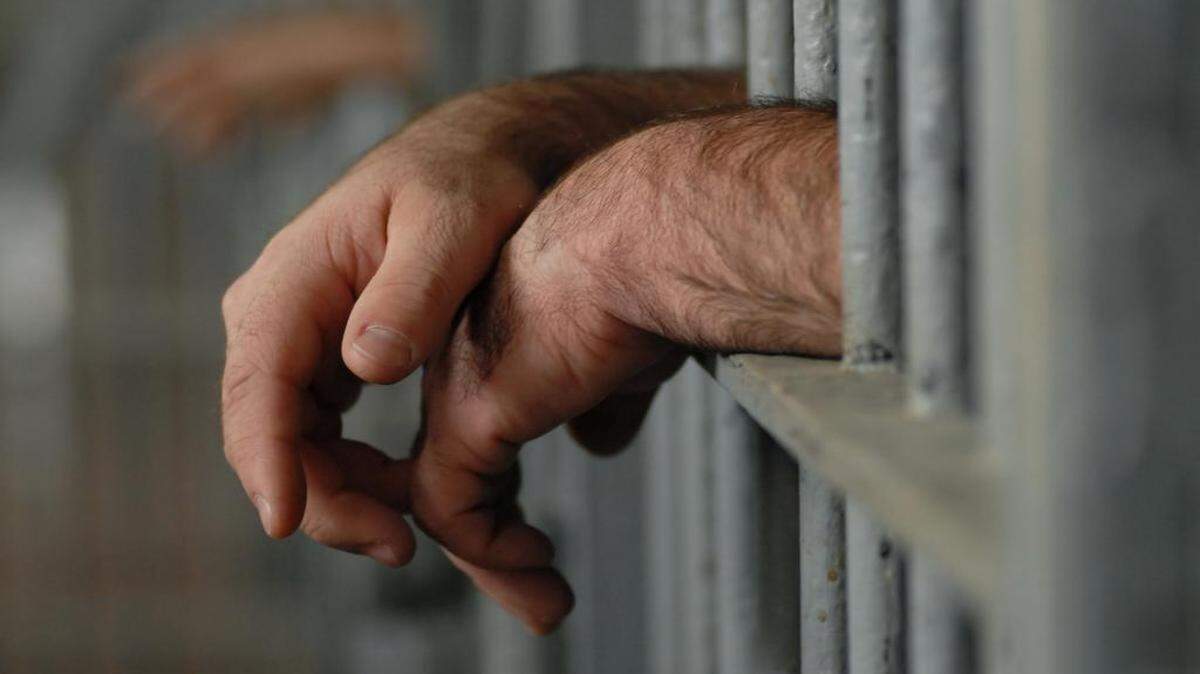
Ever since I began having Living Room Conversations with conservatives I’ve been learning just how aligned citizens from across the political spectrum are when it comes to our criminal justice system. We all want to live in safe communities. My friend Allison DeFoor, who is working on reforming prisons in Florida, reminds us that most people who are incarcerated return to their communities. He asks, “Who do you want sitting next to your child in the movie theater, someone that has been punished or someone that has been reformed?”
We generally agree that 1) the war on drugs is a failure; 2) there are too many people in prison in the U.S. (2.3 million), and 3) we need evidence-based best practices to improve outcomes for people caught up in our correctional system.
Some aspects of our criminal justice system are morally repugnant. Using prisons as a primary mechanism for managing our mentally ill population is cruel and more costly than fulfilling the real treatment need. Targeting the poor and communities of color must end. The use of forfeiture laws in some regions of the country is so corrupt that I have a hard time believing this is happening here. And how have we allowed isolation (solitary confinement) to become so common when evidence demonstrates how deeply destructive it is to the human psyche?
These are some of the questions and observations we will discuss Wednesday at the Village Square American Justice Series in Kansas City. (For details: kc.tothevillagesquare.org/)
▪ What if we evaluated prisons in part upon their success in reducing recidivism? Prisons in the bottom 20 percent could be on probation. Prisons in the top 20 percent could be rewarded.
▪ If our primary goal is for prosecutors to help our communities be safer, how can we measure effectiveness based upon more holistic metrics than how many people they put in prison? The costs of incarceration might be included in measurement. Incarcerating non violent, non-sex, non-serious offenders could be a negative metric rather than a positive. We could reward drug offenders going to appropriate programs. We could reward mental-health cases resulting in treatment not prison.
▪ In some communities law enforcement motivations for drug enforcement are trumping community safety motivations. The ability to appropriate property and use the proceeds is disturbing and distorts law enforcement focus.
▪ Are the incentives for supervision systems — parole/probation — what they should be? How do we reward low recidivism in this part of the system?
Most people who are incarcerated return to our communities. Our best interests, as well as theirs, demand that we ensure our corrections practices emphasize reform and successful reintegration as well as punishment. Prison recidivism rates above 50 percent are ridiculous. We identify failing schools. It is time to identify failing prisons.
There is a great deal of agreement about the need for change yet precious little is changing.
How do we put better incentives in place for prosecutors, law enforcement, the judiciary, corrections personnel and prisoners to achieve the needed change?
Joan Blades is co-founder of MoveOn.org, MomsRising.org and LivingRoomConversations.org.
This story was originally published April 26, 2015 at 10:00 AM.