Her brother’s tragic overdose led Kansas City hairstylist to warn others | Opinion
Two years ago, The Star published “Deadly Dose,” an investigation into the toll fentanyl has taken on communities in Kansas and Missouri. A large part of the story surrounded efforts to prevent overdoses, and the project goes on.
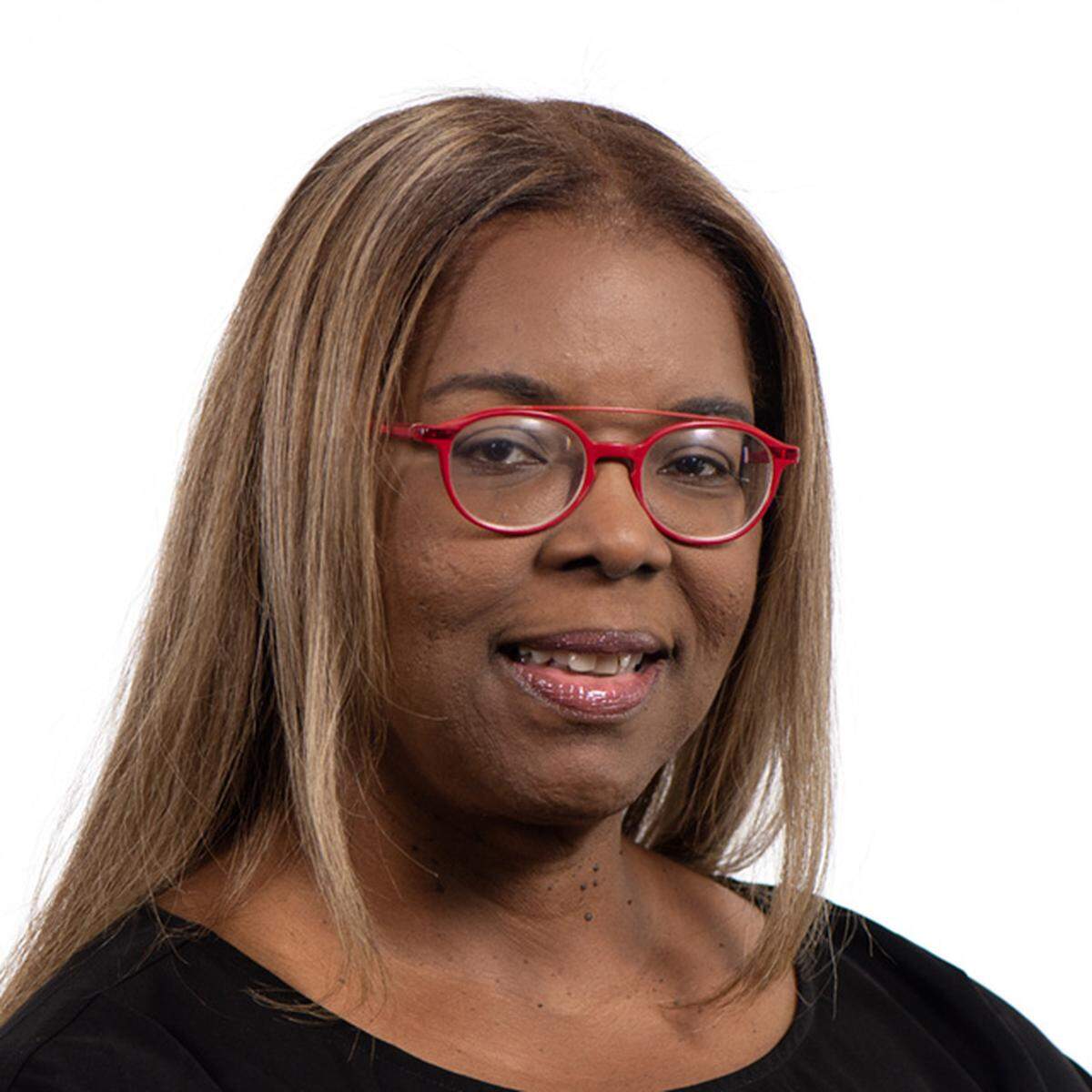
Why? Because the story is not over. In fact, this is one of those tragically important stories that we can’t and shouldn’t let go of. And so, today, I introduce you to Michelle Williams, an entrepreneur and hair stylist who has joined the fight against fentanyl overdoses.
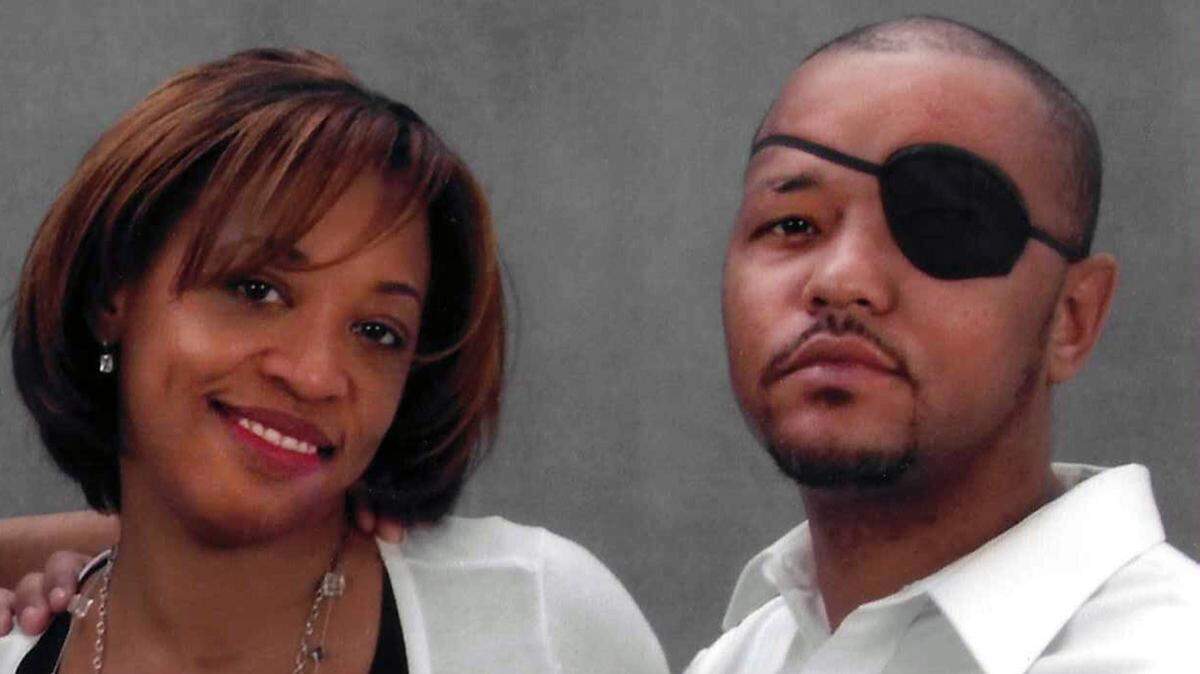
Fentanyl, an opioid drug like morphine or heroin, still is a problem for Kansas and Missouri families. But Fentanyl is 50 times more potent than heroin, according to the Drug Enforcement Administration. Williams’ brother, Kevin Jemison, died from an accidental overdose from a pill laced with the drug in 2021, she said.
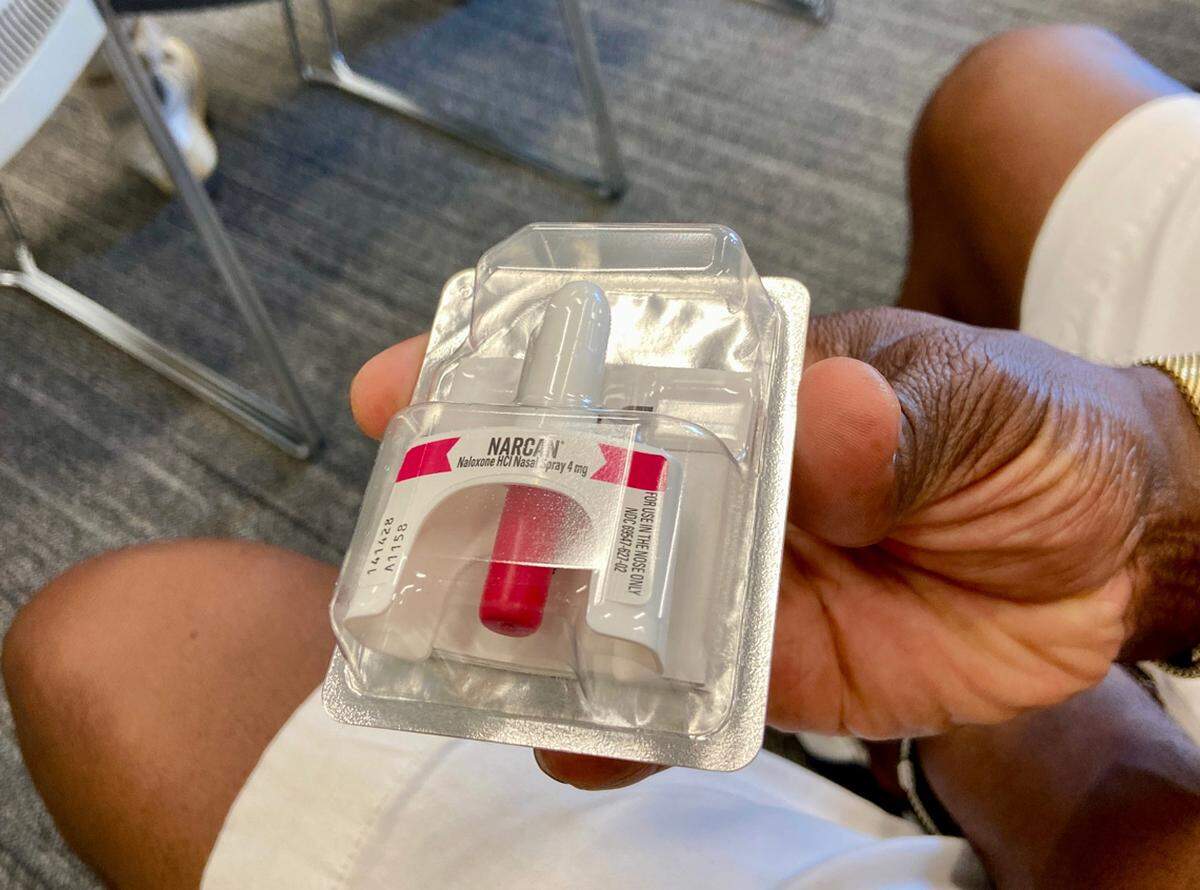
In her workshops, “Support Harm Reduction & Education in Our Community,” Williams tells people how to protect family and friends from accidental overdoses. She hands out samples of naloxone — in aerosol nasal spray and injection form — that might prevent an overdose. She distributes cards to test drinks, and drink covers, along with plastic facial masks to perform CPR on unconscious people.
She has raised money to obtain the samples but needs more help. She plans future fundraisers at her non-profit, A HandUp resources and community outreach, and its website, Empowered Hands.
However, the story of her brother and the end of his life is what she holds dear to her heart. In the workshop, and later in an interview, Williams spoke lovingly about Jemison, and the fact that he may have died alone unnecessarily.
“I’ll never know,” she said, with tears in her eyes. She believes people might have been there, with him, but left when he overdosed.
“People get scared. They leave. They might have been doing it with him. That’s why I want to make you all aware of the Good Samaritan Law.”
In Missouri and Kansas, these laws apply to people who, in good faith, seek or obtain medical assistance for themselves, or for someone else experiencing a drug or alcohol overdose or other medical emergency. They will not be arrested, charged, prosecuted or convicted in most cases.
Williams implores people to stay and help. “The Good Samaritan Law says that if you are doing drugs with someone, or you may be a parent that allows your kids to have parties, and something could go wrong, and you might feel like ‘I could lose my house. I could lose everything we got.’”
Her message: Ignore that fear and do the right thing to save someone’s life.
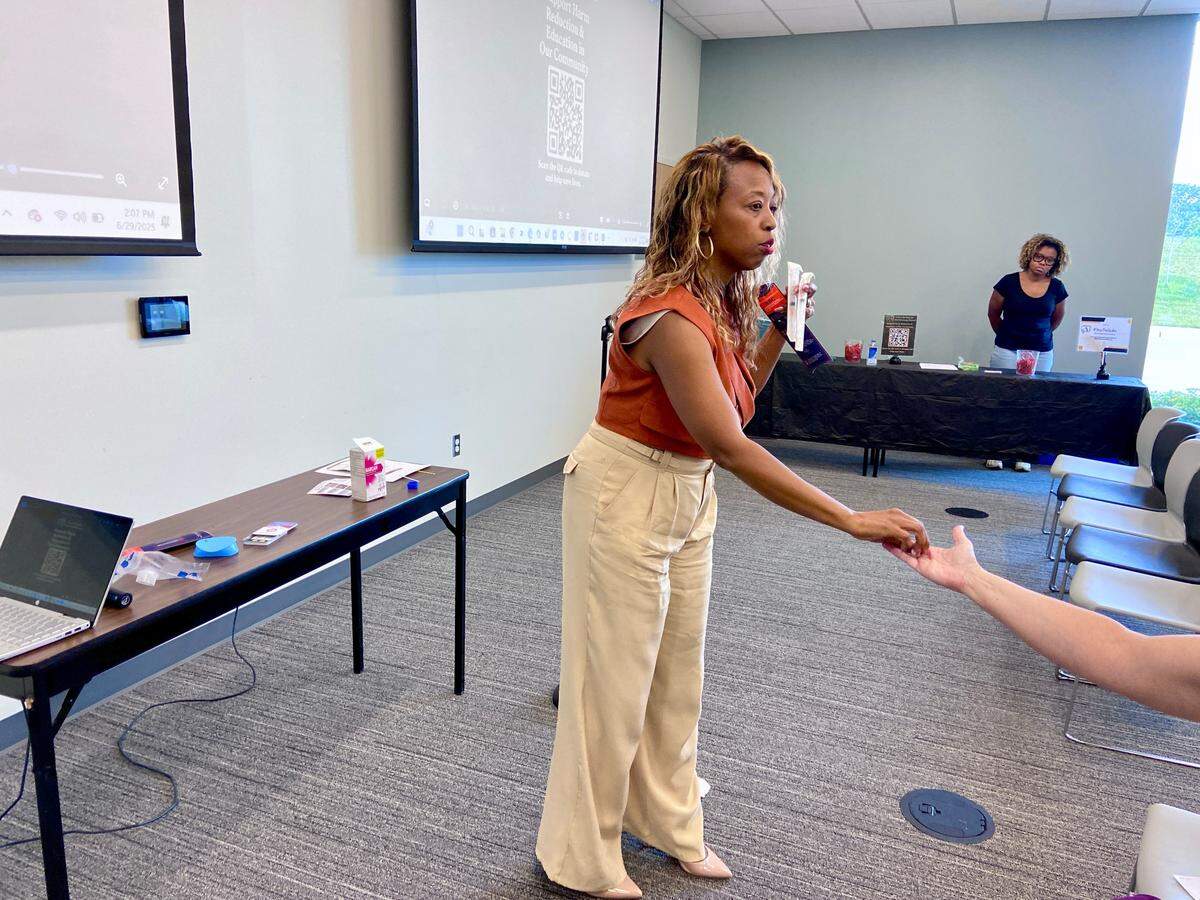
Kevin’s Jemison’s story
How Jemison got fentanyl is an example of what happens when people get desperate. To Williams, her brother was special, but his unexpected death isn’t uncommon. An injury, and later a mental health condition, led him to seek street drugs.
Jemison died on July 11, 2021, at 44 years old, after taking a pill that had been laced with fentanyl, Williams said. Years before, at age 19, he was shot on the way to a grocery store in Chicago, where he lost his left eye. He struggled mentally and had a difficult time with the loss of his eye, she said.
“And I think through the toll of that — maybe not getting that mental health part that he needed — it metamorphosed into something more.”
Williams said Jemison developed bipolar disorder after the injury. In the beginning, a doctor prescribed him a drug that helped stabilize his moods.
“But as he got older, that stopped working. And so he found himself trying other things. Nothing worked. He would go from hospital to hospital just trying to get that specific drug that kind of balanced him.
“And I think it led him to going to the street for a pill and it took his life.”
Education as grief remedy
After her brother’s death, Williams said the grieving process was very difficult. She wanted to know more, and why her brother died. And she wanted to know what she could do to stop others from dying.
“I’m an internal griever. And so, the only way that I could get comfort was to educate myself on why it happened because my brother wasn’t a known drug user. He just wasn’t that person. And so when it happened, I needed to know why.”
She began taking classes with the Red Cross and then studied with the University of Missouri-St. Louis Addiction Science Team. She didn’t stop.
“From there I went on to the Missouri Department of Aging. I learned a lot about mental health, and how this new war on drugs is not about your stereotypical drug addict. It’s about accidentally getting something that kills you.
“One in every 7 construction workers will have a back injury. You have women who have a baby and go into postpartum and need something to cope and it leads you down this struggle. And so that’s where my journey started with my nonprofit.”
Williams and her volunteers have given three workshops across the Kansas City area since last year, and two more in St. Louis and Chicago, where her brother died.
Williams feels like she has honored her brother’s memory when she hears her programs have made a difference.
“I really do when I hear stories of a young lady that checked herself into a rehab, or a high school principal saying that one of his staff got the Narcan (a brand name naloxone) and saved her nephew the next day. Or people telling me they wouldn’t otherwise have known how to use it.
“There is something to be said about grassroots education,” Williams said.
She said she feels his presence at the workshops.
“I always feel him there saying, ‘You doing this for me? I mean that much to you?’ And it’s just making me tear up now just thinking about it and just realizing that he’s not a statistic. He’s a father. He’s a son. He’s a brother. He’s a friend. And just knowing that I’m able to mention his name, keep his memory alive, and save somebody else’s life. There’s no better feeling.”