Free press at risk: Attorney General Pam Bondi targets journalists in leaks | Opinion
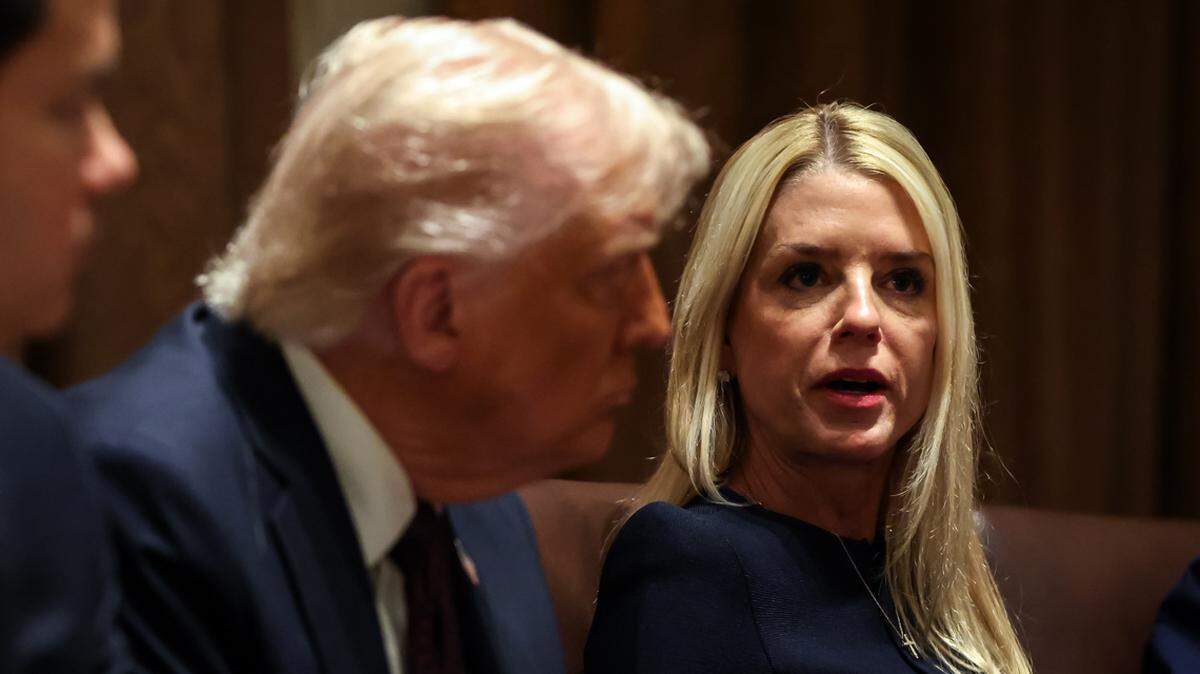
Attorney General Pam Bondi announced something in a memo Friday that could set back investigative journalism in a desperate time. Did you miss it?
Journalists can once again be forced to provide “records and compelling testimony … in order to identify and punish the source of improper leaks.”
Let’s take a moment to unpack this and understand what it means both for members of the news media and for people who want to release private information to journalists, aka whistleblowers.
Bondi, in Trumplike fashion, is removing a Biden administration policy (the memo refers to them as “elitist leaders in government”) that shielded journalists in investigations when information is leaked to the media. The new policy permits authorities to again employ subpoenas and compulsory testimony from journalists participating in leak investigations to identify sources.
A memo to Justice Department employees was obtained by NPR and other media Friday. In the memo, Bondi writes “federal government employees intentionally leaking sensitive information to the media undermines the ability of the Department of Justice to uphold the rule of law, protect civil rights, and keep America safe. This conduct is illegal and wrong, and it must stop.”
What must stop? Journalists doing due diligence to uncover wrongdoing at the highest levels?
I find it humorous that paragraphs later in Bondi’s memo, she writes, “Without question, it is a bedrock principle that a free and independent press is vital to the functioning of our democracy. The Department of Justice will defend that principle.”
She then goes on to say that certain members of the news media today are becoming less independent (Fox News, anyone?) and that the investigative measures on newsgathering would be an “extraordinary measure to be deployed as a last resort when essential to a successful investigation or prosecution.”
Extraordinary measure? Last resort? Right. Let’s be clear. This is about an administration that, like most, doesn’t want people to know when it does wrong and is, unlike most, prepared to retaliate against anyone who exposes them.
If nothing else, this policy change sends a chilling message both to sources willing to come forward in an effort to right wrongs, and journalists telling the truth.
History of leaks
As a former college professor, I taught lower and upper-level students the importance of media ethics and I always included examples of journalists who faced the justice system. To be sure, journalists have long known the risks of going against administrations and many have gone to jail or been fined for doing so.
Protecting sources is critical to build a sense of trust and for whistleblowers to come forward.
Forty-nine states and Washington, D.C., have established legal protections, either through statutes or court decisions, that shield journalists from being compelled to disclose confidential sources or the information they provide. But there is no federal shield law.
Federal courts hold differing interpretations regarding a First Amendment-based reporter’s privilege. Journalists involved in federal legal proceedings can be legally obligated to reveal their sources or face fines or jail time.
When the Department of Justice under President Joe Biden changed the policy of obtaining reporters’ records during leak investigations in 2021, it reversed a practice news and press freedom organizations had condemned for years.
Biden at the time said it was “simply, simply wrong” to seize journalists’ records and that he would not permit the Justice Department to continue the practice.
Famous historic examples include Daniel Ellsberg leaking the Pentagon Papers about the real reason the United States was in Vietnam, and the Watergate scandal first published by The Washington Post that ultimately took down President Richard Nixon’s administration.
Ellsberg always said he expected to be convicted for the leaks, but went ahead anyway because of a strong ethical moral code. Somewhat surprisingly, the legal case against him was dropped. Reporters Bob Woodward and Carl Bernstein had to use anonymous sources and leaks to get the story about the famous break-in and the questionable use of campaign finances, among other improprieties in Nixon’s office.
More recent examples of a failure to protect secretive information that could have led to the current DOJ policy change include scandals surrounding the Department of Defense.
National security adviser Michael Waltz mistakenly included a journalist in a Signal group text where plans to strike the Houthis were being discussed by high-ranking officials. Similarly, Defense Secretary Pete Hegseth has also faced scrutiny regarding his use of Signal, including a separate chat involving his wife and brother.
It’s important to note that this isn’t about national security. The media historically have been responsible for not releasing information that could hurt our country. Remember, The Atlantic’s editor Jeffrey Goldberg published details of the Signal chat (after the Houthi strike, in fact) only after government officials mischaracterized the info contained in the chat.
The attorney general’s memo highlighted instances of leaks during the Trump administration. These included the disclosure of classified intelligence assessments concerning the Venezuelan gang Tren de Aragua and the news of Dan Caldwell, an adviser to Hegseth, being placed on leave.
Why we have to do it
I can’t top this explanation from Ellsberg on why people in top positions leak secrets. He was a strategic analyst at the RAND Corporation and a consultant to the Defense Department and the White House in the 1970s, specializing in problems of the command and control of nuclear weapons, nuclear war plans and crisis decision-making. He died in 2023. He said:
“In the work we did, you could not have the confidence of powerful men and be trusted with their confidences if there was any prospect that you would challenge their policies in public in any forum at all. That was the unbreakable rule of the executive branch. It was the sacred code of the insider, both the men of power and those, like me, privileged to advise and help them. I knew that as well as anyone because I had lived by that code for the last decade; it was in my skin.
“Yet I was, it seems, in the process of shedding that skin. Lying to the public, about anything, but above all on issues of life and death, war and peace, was a serious matter. It wasn’t something you could shift responsibility for. I decided I wasn’t going to do it anymore.”
In class, I always told my students that the Watergate coverage never would have happened without Ellsberg’s courage in leaking the Pentagon Papers the year before. Who knows where our country would be today without those two examples of journalism?