
19th-century Kansas school should get its historic status. Here’s why | Opinion
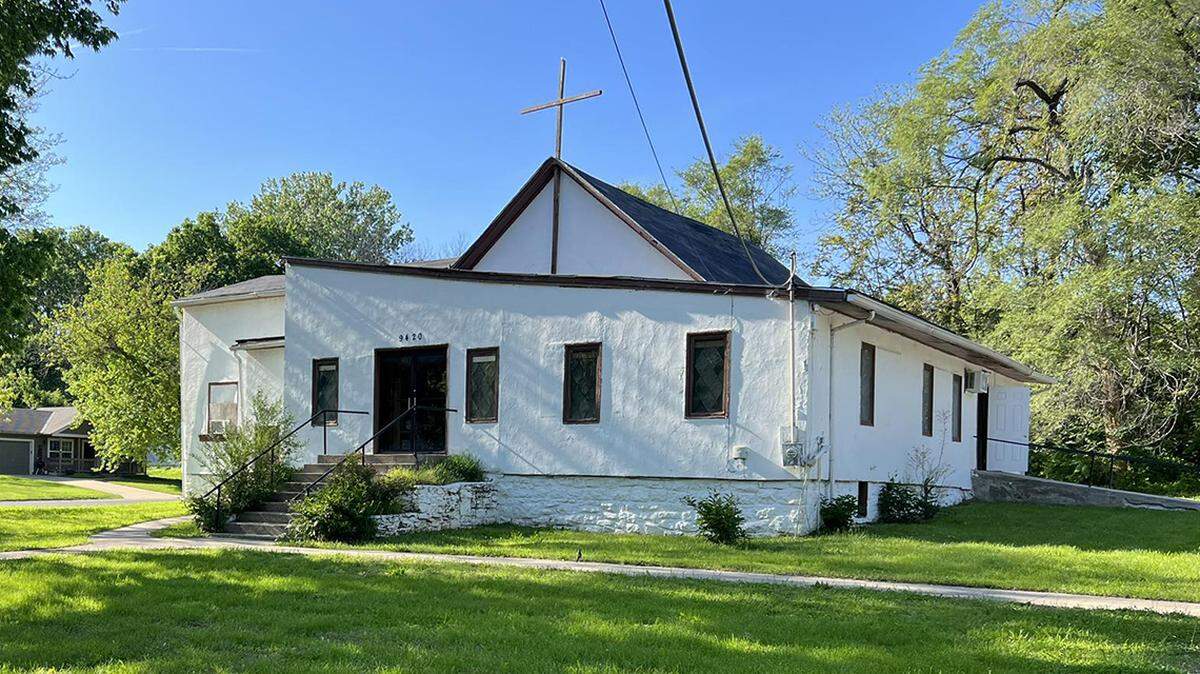
The Madam C.J. Walker School in Merriam is widely considered one of that city’s best-known historic sites. On the national level, not so much. But that could change if a multimillion-dollar project to turn the site into a museum and have it placed on the National Register of Historic Places is successful.
First built in the 1800s to educate all elementary school children of South Park, Kansas, the two-room schoolhouse is considered important, according to Tony Adams, program manager for the Philadelphia Missionary Baptist Church’s Madam C.J. Walker School Project.
“It could be the most significant unknown piece of Black history,” Adams said.
DEI war halted restoration
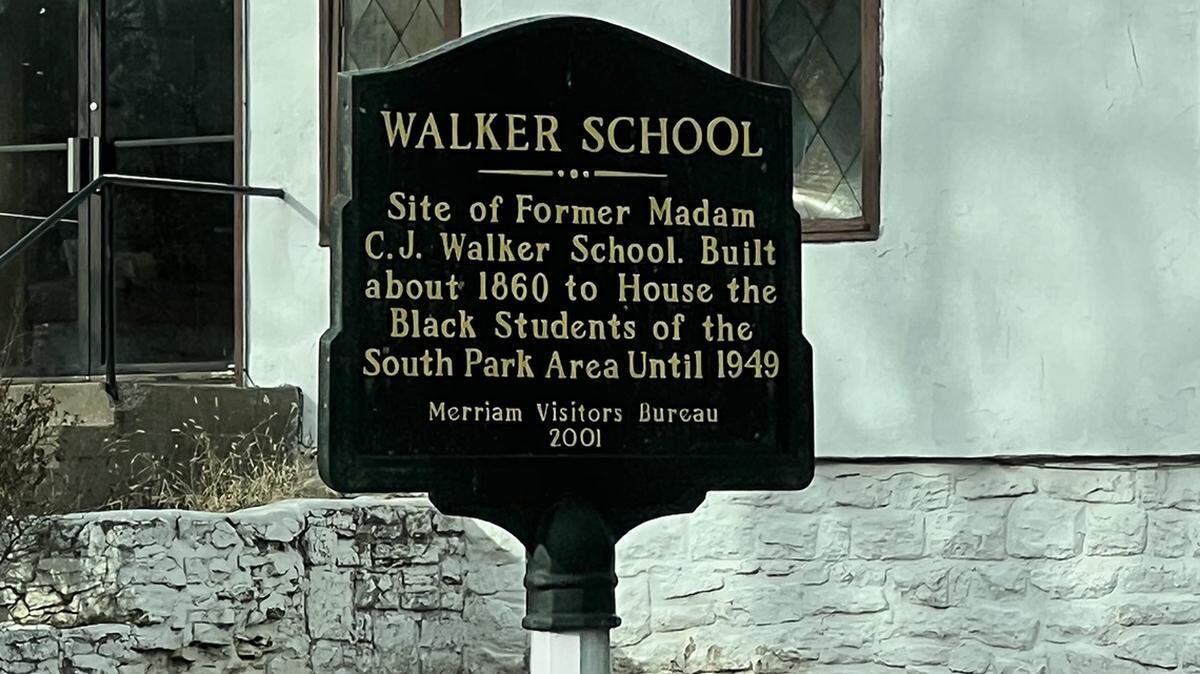
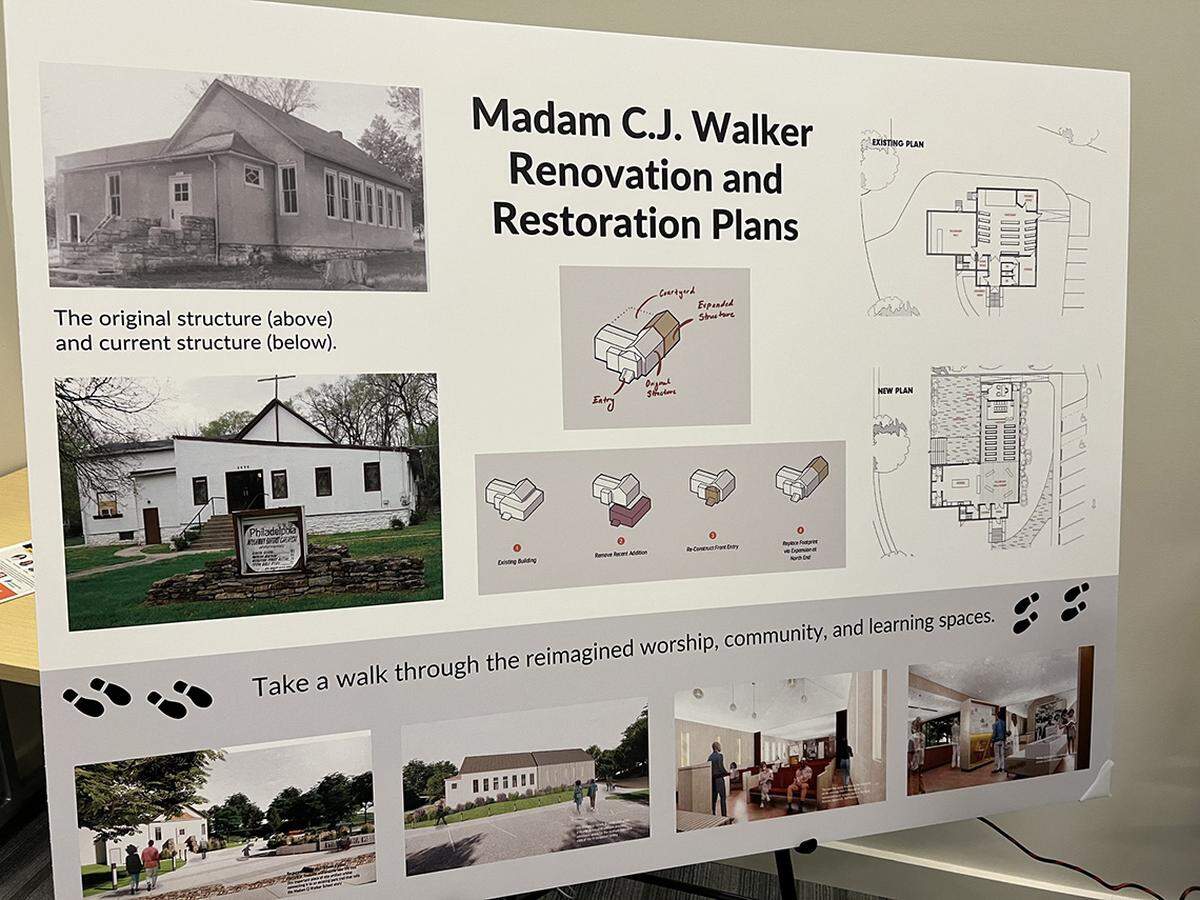
The school, located at 9420 West 50th Terrace in Merriam, was converted to a church in 1961, according to Adams. Church officials would like to restore the building to resemble the 1940s version of the Walker School. But funding for the $4 million project recently hit a snag, Adams said.
President Donald Trump’s war on anything related to diversity, equity and inclusion — and truth — may have cost the church hundreds of thousands of dollars in potential grants, according to Adams.
Adams said he worked tirelessly to secure civil rights grants from the National Park Service before those efforts were unceremoniously halted due to funding and staffing cuts at the agency.
“We were ready to get the money but everything changed overnight when the new administration got in office and pretty much wiped out equality,” Adams said. “All of a sudden our funding went away.”
The goal now is to raise $2 million through what Adams described as a networking campaign. The employment consultant and board member for Philadelphia Missionary Baptist Church wants to use his community connection to bring awareness of the school’s role in desegregating schools.
Adams said if the project is completely funded the church would add onto the back part of the building and create a mobile exhibit to tell the story of the Walker School’s fight against discrimination.
“That’s the plan,” he said.
School had been integrated
Before it was annexed into Merriam in 1957, the city of South Park was located between Merriam and Shawnee. The Madam C.J. Walker School was named after the famous businesswoman and philanthropist who invented a line of hair care products for women of color.
“Black and white children went to the school until around 1900 when the school district began separating students based on race,” Adams said.
When Johnson County School District 90 built a new South Park grade school for white students in 1947 using taxpayer funds, Black residents objected, according to Adams.
By then, the Walker School had experienced inferior conditions such as poor lighting, bad heating and outdoor plumbing, according to Merriam’s website.
“Parents appealed the segregation to the school board and Johnson County Court,” the site states. “Their appeals were denied.”
The following year, the Walker School families filed a lawsuit with the help of a local activist named Esther Brown. One year later, a Kansas State Supreme Court ruling allowed Black children to enroll at South Park Grade School.
“The case is considered an important forerunner to the landmark 1954 Brown v. Board of Education of Topeka lawsuit, which would make school segregation illegal nationwide,” the website says.
In a brief Q&A, Adams, a former South Park student, spoke about future plans for the site and how the former Walker School desegregated education in Kansas.
Toriano Porter: What is the historical significance of the former Walker School?
Tony Adams: It could be the most significant unknown piece of Black history. We all know that Brown v. Board of Education in 1954 was a landmark case. It desegregated education all across the country. That probably would not have happened if not for the Madam C.J. Walker School.
What was South Park, Kansas, like back then?
It was a very small community of 200 to 300 families. Forty percent were Black. At that time, white and Black students went to Madam C.J. Walker School together. That continued for decades.
What changed?
In 1947, they built South Park Elementary School. It was kind of a marvel in its day. But Black kids couldn’t attend. It led to a walkout. They called it the Walker Walkout. The NAACP in New York City got involved. They sued all the way up to the Kansas Supreme Court and they won. They desegregated schools in the whole state of Kansas.
How did you get involved in this restoration project?
My church bought that building. Merriam declared it an historic building. About three years ago, it became a mission of mine. We need to be a footnote in history with Brown v. Board of Education. Why aren’t we in the history books as well? The state of Kansas has included us in the registry of historical places. We’re trying to get on the National Register of Historic Places, which would bring the attention we deserve on a national level.
How does the church plan to raise money for this project?
We’re taking a cautious approach. We are trying to do it from a church perspective but a lot of companies can’t give freely to churches. So it’s become a challenge. I started a networking campaign to put our story out there. It’s a $4 million project. We are trying to raise half of that. From there, I think we can make it happen.
For more information on how to support the Madam CJ Walker School Project, contact Adams at tonyadams928@gmail.com
This story was originally published July 30, 2025 at 5:10 AM.