This phenomenon of Christmas generosity is what deserves to go viral in Kansas City
Is kindness contagious enough to become the next pandemic?
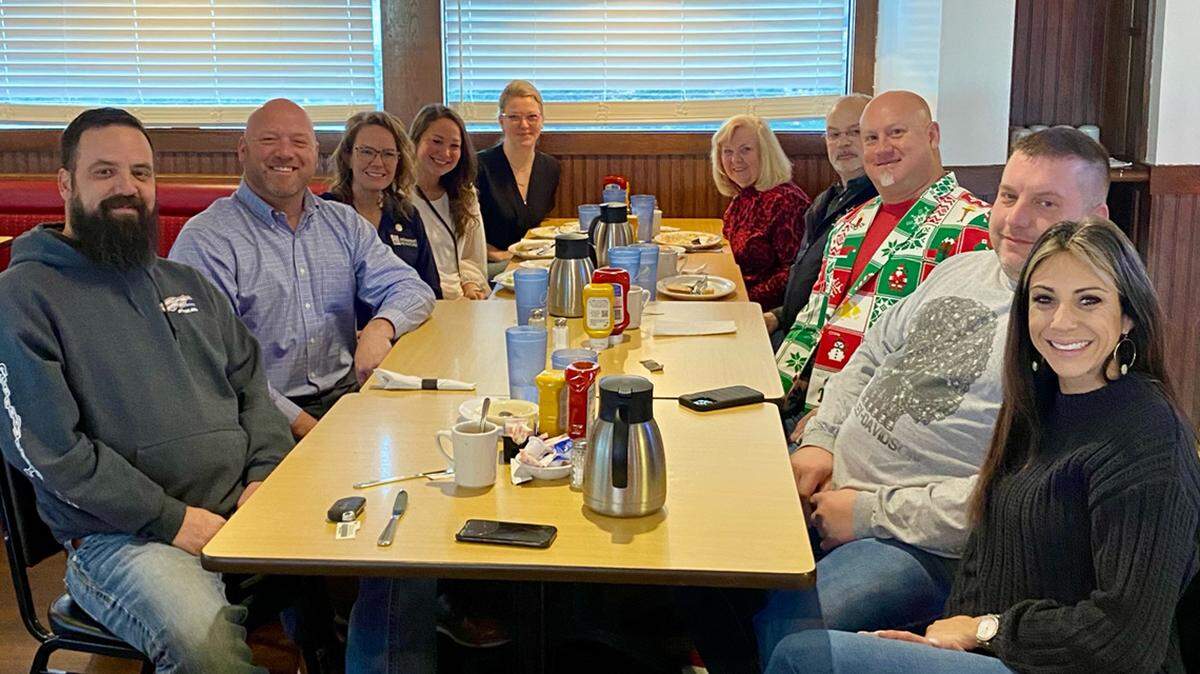
Michael Meier thinks so, anyway. The Kansas City commercial real estate agent last week joined a growing trend of diners in large groups leaving insanely large tips for deserving waitstaff to spread a little Christmas cheer. A group of 18 assembled by his friend Todd Nitsche Dec. 17 left a waitress tips of $100 or more apiece — totaling around $2,000 — at the Cracker Barrel restaurant off Interstate 29 near the airport.
“I was extremely shocked,” says their recipient, server and mother of two Whitney Brockman. “Also very blessed, that there’s still good people out there in the world.”
The group’s generosity will come in mighty handy, since Brockman had just recently had her car totaled. In most lives, that’s life-changing. But so is this kind of kindness, which in this case is called Shock and Claus.
The movement started a few years ago in Denver and is sweeping the nation like a benevolent virus. In Kansas City, increasing numbers of not-so-secret Santas have happily succumbed to it. In fact, after arranging his first “Shock and Claus” last year, Nitsche will have finished his Christmas giving this year with six such meals.
“The only downside is going to be my waistline around Christmas,” the insurance and finance executive says.
“It’s the least we can do,” Meier adds. “Truthfully, they should be getting this on a regular basis, in my opinion. It was nice to be able to give back to somebody that needed it and can use it right now around the holidays.”
It’s especially welcome during the COVID-19 pandemic, which laid off a lot of waitstaff and left the returning servers filling several jobs and waiting on sometimes grumpy eaters who expect pre-pandemic service. “Just to have the servers that we have now, they deserve it. They deserve every penny of it,” Meier says.
As for being contagious, Meier can attest to it. Nitsche’s example last year inspired him to join in, and he says his own Facebook friends around the country have been similarly inspired to replicate Nitsche’s kindness.
“It’s amazing how one person can generate this and help so many people in so many different areas, just off of one simple breakfast last year,” Meier says.
And there are doubtless others in our midst doing the same thing.
These events require a little planning to be done right. It’s best not to make a big show of it, lest you embarrass the waitperson or cause tension with co-workers. And Meier says it’s important to arrange things ahead of time with management, so as to create space for the group and perhaps ask if there’s a particularly deserving or needful server.
Some restaurants also may have policies that require servers to pool their tips. One Arkansas waitress who received a $4,400 tip from a group Dec. 3 was later fired for revealing she was forced to share it. But even that story has a happy ending, thanks again to kindness: The man who arranged for the $4,400 tip started a GoFundMe campaign to reimburse the waitress and more — and now has enough to benefit another waitperson in January at an event planned in her honor.
Nitsche only plans more such events next Christmas. “I think it just brings you back to the meaning of Christmas — just being kind to one another, and doing something for somebody else without any sort of recognition for it. Doing the unexpected for somebody that you don’t know that may be going through a hard time.”
Kansas City’s legendary Secret Santa Larry Stewart was a family friend, Meier notes. Shock and Claus “is the same thing that he did, just in a different manner.”
The thing is, Stewart, who died in 2007, ended up giving out $1.3 million to strangers. Can the rest of us collectively match that? Is kindness truly contagious enough to become the next pandemic?
You bet — if it keeps spreading like this.
This story was originally published December 23, 2021 at 5:00 AM.