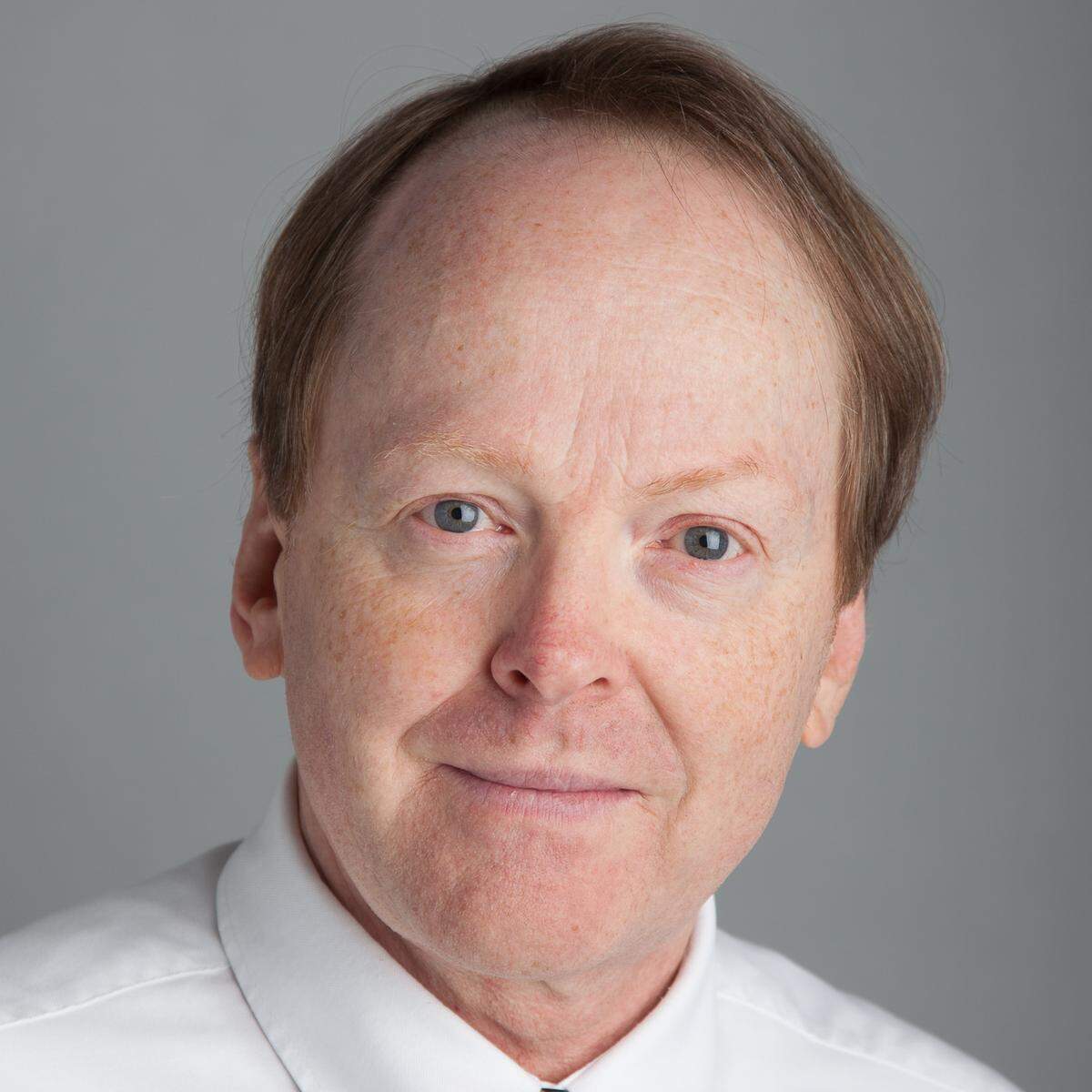
Shawnee Mission school district, YouTube grapple with what you should see and hear
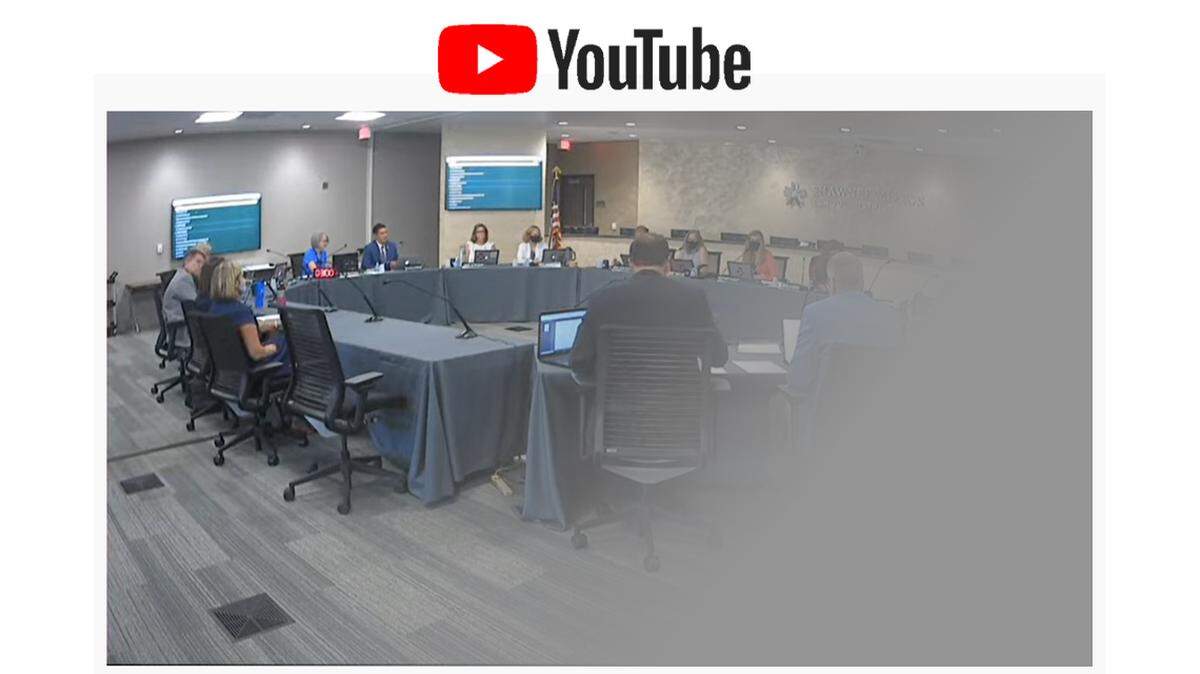
Should you be forbidden from seeing your local government meeting because you might hear misinformation on COVID-19?
That was the decision made for you by YouTube, when it decided to take down videos of government meetings, such as a Shawnee Mission School District meeting from May, due to what the company deemed was misinformation on COVID-19 being spread by members of the public.
YouTube ultimately changed its mind, restored the videos and changed its policy, and thank goodness for that. Yes, lives are at risk today. But so is the life of our republic. We need to safeguard both. And disappearing government meetings is no way to protect the health of our democracy.
As newspaper folks like to remind, the way to fight bad speech is with more and better speech. Fact is, they even have a name for that principle: the “counterspeech doctrine.”
As David L. Hudson Jr. writes for The Free Speech Center at Middle Tennessee State University, the doctrine holds that “the proper response to negative speech is to counter it with positive expression. It derives from the theory that audiences, or recipients of the expression, can weigh for themselves the values of competing ideas and, hopefully, follow the better approach.”
That doctrine is at the heart of the First Amendment, which is at the very core of the American experience. In short, let’s treat each other like adults who can make up their own minds.
Of course, some of the anti-mask antics at school board and local government meetings certainly test our adulthood. The Park Hill Board of Education Monday felt it necessary to clear its unruly room of spectators before approving its mask mandate. And at a Kansas City Council committee meeting on extending the city’s mask mandate Wednesday night, authorities didn’t even try to enforce the ordinance on dozens there opposing it. Good grief.
Even so, it’s more than a little ominous to be taking down videos of government meetings. I understand the need to get good information on the COVID-19 delta variant and how to protect yourself. But those lining up to express skepticism and, yes, to make wild and inaccurate claims, are far outnumbered and outgunned by the White House, the Centers for Disease Control and Prevention, responsible media, local health leaders, elected leaders and more — starting with your own doctor.
Social media companies are suppressing free speech
So, we should all be relieved that YouTube has rescinded its decision to remove such meeting videos — reversing its prior practice of taking down videos from the Shawnee Mission School District, the St. Louis County Council, Mount Vernon Community School Corporation in Fortville, Indiana, North Carolina and Washington state.
In Shawnee Mission’s case, Chief Communications Officer David Smith said the district reposted video of its May 17 meeting soon after being notified that YouTube would now allow it — though Shawnee Mission decided on its own to edit out the public comments anyway.
YouTube’s U-turn is a seemingly rare win for free speech in an era in which social media platforms are struggling to mediate content — and are often erring on the side of suppression.
“While we have clear policies to remove harmful COVID-19 misinformation,” a YouTube spokesperson wrote in announcing its policy change, “we also recognize the importance of organizations like school districts and city councils using YouTube to share recordings of open public forums, even when comments at those forums may violate our policies.”
Shawnee Mission hopes to prevent future conflicts between free speech and costly disinformation: It has decided to move public comments to special new meetings at 5:30 p.m. on board meeting days, starting Monday, just prior to the regular board meetings. The public comment portion won’t be broadcast, meaning no wild claims can be aired beyond those in the room. But at least the public will still be able to air their views to the board, which is the point of public comments in the first place.
While citizens still have the right to speak to the board, there’s no corresponding right to be on camera. This republic survived several centuries quite well without such a right.