Why won’t Olathe schools honor deceased student at graduation? | Opinion
In 2016, I sat in the auditorium at Southwest High School in Kansas City, a few seats away from a theater seat draped with a graduation gown and cap and filled with photos and notes of love and remembrance from students, teachers and friends of Daizsa Bausby.
Bausby had been killed weeks before the graduation ceremony, where she would have been the commencement speaker that year. In her absence, members of her class — some of whom wore her name atop their decorated caps or adorned their wrists with a bracelet in her favorite color — chose to honor her at graduation. As students marched across the stage, hearing their names one after another, the master of ceremonies called Daizsa Bausby’s name. The room erupted in applause.
The story behind her murder was very public and terribly sad, but to see the way her classmates chose to make her a part of one of the happiest times of their lives — high school graduation — was beautifully moving. I will never forget witnessing the moment and the celebration of cheers, hugs and expressions of joie de vivre that followed.
I was reminded of that day recently as I read about the parent of a deceased Olathe South High School student begging the school district to read her late son’s name along with all the other graduates’ during the graduation ceremony.
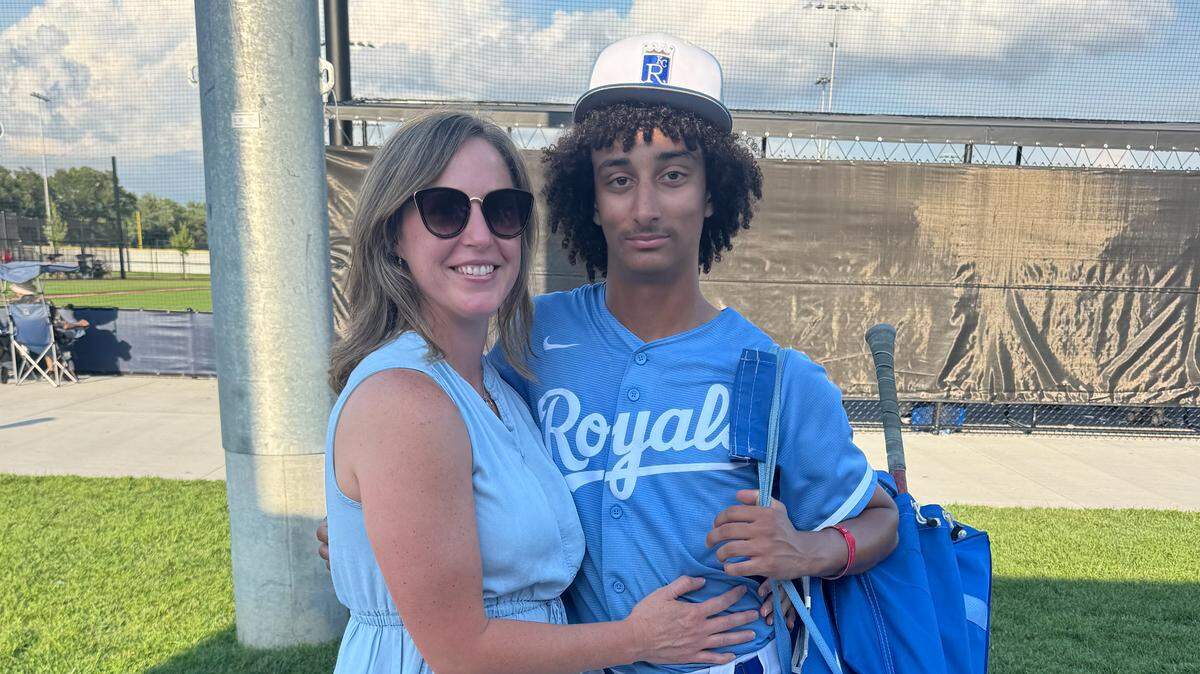
Amber Hartsook’s son, Treyton, died 10 months before graduation in a car crash over winter break.
Blanket policy formed by committee
The Olathe district has a recently developed a blanket policy for how a student who passed away at any point during their K-12 education can be recognized at the graduation ceremony: Calling the student’s name is not included. And in statements to The Star, the district has said it stands firm on denying this mother’s wish for them to change the policy and allow the names of children who passed away to be read alongside their peers at graduation.
Nope! Not allowing it. But they allow other ways to recognize a student who passed away.
Students can wear ribbons or bracelets in remembrance. The student’s parents receive their child’s diploma posthumously if they met qualifications, and the child’s name is included in the graduation program. Yearbook tributes and photo tributes in pre-ceremony videos are allowed. But mum’s the deceased child’s name at graduation.
If you have ever attended a graduation ceremony, you know those names are rattled off so quickly that I see no way just saying one more name, that otherwise would have been said anyway, would ruin the ceremony for anyone.
But school officials said their policy was developed by a committee of parents who’ve lost children, school leaders and mental health professionals, and is “intended to honor the memory of students and the wishes of families experiencing loss, while also supporting the individual desires and capacity of grieving classmates, parents and staff members who are either not emotionally ready to process their loss or choose not to have feelings of grief be associated with their time of celebration.”
It sounds to me like they are trying to please everyone in every situation and anticipate objections before any arise with one blanket policy — and of course, they’re failing.
School accomplishments ignored
In Amber Hartsook’s situation, she is left disappointed and feeling as if her son’s high school accomplishments are being ignored — or worse, erased.
“I think it is horrible for a school to set this policy,” said Lesley Koeppel, a New York City psychotherapist and author who specializes in grief. “Avoiding acknowledgement does not protect people from pain it can often deepen it,” she said. “A simple acknowledgement such as reading his name can offer compassion to a grieving family while also allowing classmates to collectively honor someone they lost.” Koeppel’s explanation for why saying Treyton’s name matters is exactly why his mother wants it read
“Hearing Treyton’s name spoken aloud at the commencement ceremony matters deeply to all of us who loved him and who were affected by his tragic passing,” Treyton’s mom wrote in a change.org petition that, as of Tuesday, had more than 6,300 signatures from people who support her request that the district change its policy.
“His name being announced is not just a gesture,” she wrote. “It’s an act of acknowledgment—recognition of his life, his accomplishments, and the mark he left on his peers and teachers.”
Hundreds commented on the petition site. The one that grabbed me most was from Joshua, who wrote, “Let this Mother hear her son graduate!”
Yes! As a mother, I couldn’t agree more. For Treyton’s mom, that’s exactly what this is about. Hearing his name. Most mamas will be so busy listening for their own child’s name that they likely won’t even hear his.
Besides, even if they did hear it, Koeppel said, “communities are more capable of holding both joy and sorrow at the same time than they (the district) are giving them credit for.”
Why is there such a rigid policy attached to something so varied as how we grieve? It just seems cruel. I reached out to other districts to see how they handle these situations and got a couple of replies.
“We acknowledge their names and share that we have an empty chair with a rose and a diploma for each student we’ve lost,” said Park Hill’s spokesperson Kelly Wachel. “With this, it is a deeply personal experience for many involved, and we do take time to visit with the families of those we’ve lost. These conversations help all of us process and grieve together and also make decisions together.”
The Lee’s Summit School District’s policy “allows schools to make decisions on a case-by-case basis based on the needs and preferences of the student’s family and the school community,” said Katy Bergen, district spokesperson. “Our procedures provide schools with flexibility to respond thoughtfully to individual circumstances.”
That makes so much more sense to me than for a district to dig its proverbial heels in to denying a mother’s simple wish and causing her and others so much pain. What’s the point of that?