Why the Kansas trans bathroom bill won’t be controversial in a few years | Opinion
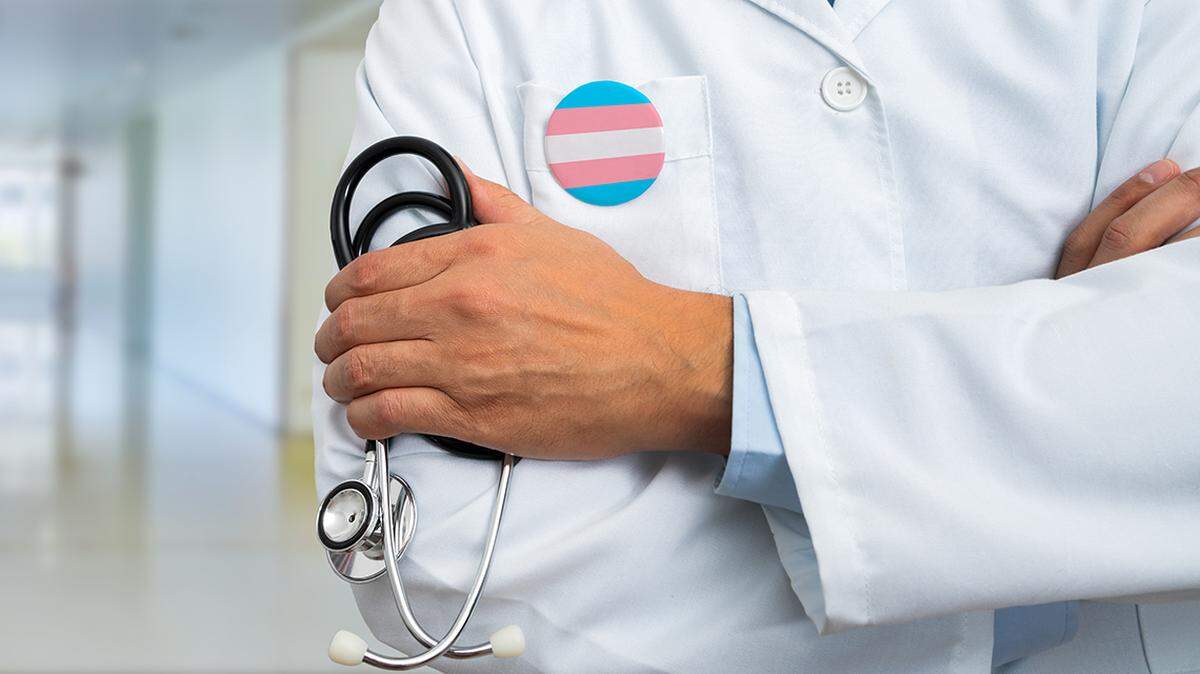
A decade ago seems like another time, even another place. When North Carolina adopted legislation banning transgender people from using bathrooms that differed from their sex observed at birth, the state faced an NCAA boycott, withdrawn national convention business and weeks of national scrutiny as pundits debated whether the state would be able to attract economic development as home to such benighted social views. By 2017, the state Legislature backed down.
Last week, the Kansas Legislature passed what LGBTQ advocacy groups say is even more draconian legislation. In addition to being banned from bathrooms that don’t correspond to one’s birth certificate, anyone who has or ever had male genitalia faces civil lawsuits, fines and potentially jail time for using the women’s restroom. This time there is no national outrage. In fact, there’s nary a peep outside the ideological and LGBTQ national press.
Now some of that change reflects Trump Controversy Fatigue, known as TCF among medical practitioners. And really when you are expecting the president to cancel congressional elections or waiting for the next U.S. citizen to be gunned down by Donald Trump’s masked immigration police, this Kansas controversy seems small potatoes.
But the LGBTQ lobby did try to make a big deal out of it. Democratic state Rep. Abi Boatman, a transgender woman, was common in her catastrophizing. “I have sat here … and listened to this entire room debate my humanity and my ability to participate in the most basic functions of society,” she said.
That sounds awful. Except nobody was debating her obvious and uncontested humanity. They were contesting whether her decision to adopt the manner of a woman, gave her the substance of a woman for the purposes of going into places like locker rooms and bathrooms where current or past possession of male genitalia is otherwise forbidden. The issue is only where she “participates in the most basic functions of society,” not whether she gets to at all.
Since the legislation passed, the sound of national debate has been crickets. Maybe that will change when Gov. Laura Kelly vetoes it as expected, but I doubt it.
Something big has changed. It is not just the fact that the most effective political ad of 2024 was the one backing Trump that argued Democrats are for “they/them” and Republicans are for you. Public tolerance for the extreme demands of the T in LGBTQ has declined sharply.
There has been a turnaround in polling. As gay rights pioneer Andrew Sullivan wrote in The New York Times last summer, “When people who know a trans person personally were polled, only 40 percent in 2021 supported their competing in teams that matched their gender identity; in 2023 that dropped to 30 percent. On the medical question, 46 percent of Americans supported banning medical care related to gender transitions for minors in 2022. Today (July 2025), as people have learned more, 56 percent do.” That backlash has even caught support for gay marriage in its undertow, Sullivan observed.
The number of young people who identify as trans has also taken a downturn in recent years, as opinion changed according to some large-sample nonpartisan national surveys. One that surveys more than 50,000 college students a year showed that trans identification peaked in 2023 at 6.8%, but by 2025 had fallen by nearly half to 3.6%.
That is seismic and perhaps a sign that the transgender wave is fading. In time, we may come to view the height of the transgender movement the way some scholars view fainting in the 19th century: as a social contagion.
Last week while the Kansas Legislature was debating its bathroom bill, another seismic debate about trans issues reached its peak. In New York, a jury found a surgeon and a psychiatrist owe one of their patients $2 million. Fox Varian was 16 when the doctors approved and performed a life altering double mastectomy on the young person who was observed at birth as a girl and now, at 22, no longer identifies as a man.
The jury said such extreme measures, measures that have been performed across the United States hundreds of times over the last decade were malpractice. More than two dozen similar lawsuits are working their way through state courts across the country.
Not coincidentally, on Tuesday, the 11,000-member American Society of Plastic Surgeons issued broad guidance on holding off transgender surgeries on genitals, breasts and faces until patients are at least 19. The ASPS is the first major medical group to step away from supporting transgender surgery on minors.
Hours later the American Medical Association, the behemoth national organization of doctors, released a statement to National Review agreeing with the plastic surgeons.
As those stories emerge, they too will change public opinion. In a few years, what happened in Kansas last week won’t be controversial at all. Then we’ll look back on the debate in North Carolina in 2016 and 2017 and wonder what we all were thinking. As Varian’s so far short but eventful life shows, some of us more than others.
David Mastio is a national columnist for The Kansas City Star and McClatchy.
This story was originally published February 4, 2026 at 5:09 AM.