These are the reasons why I always read your comments | Opinion
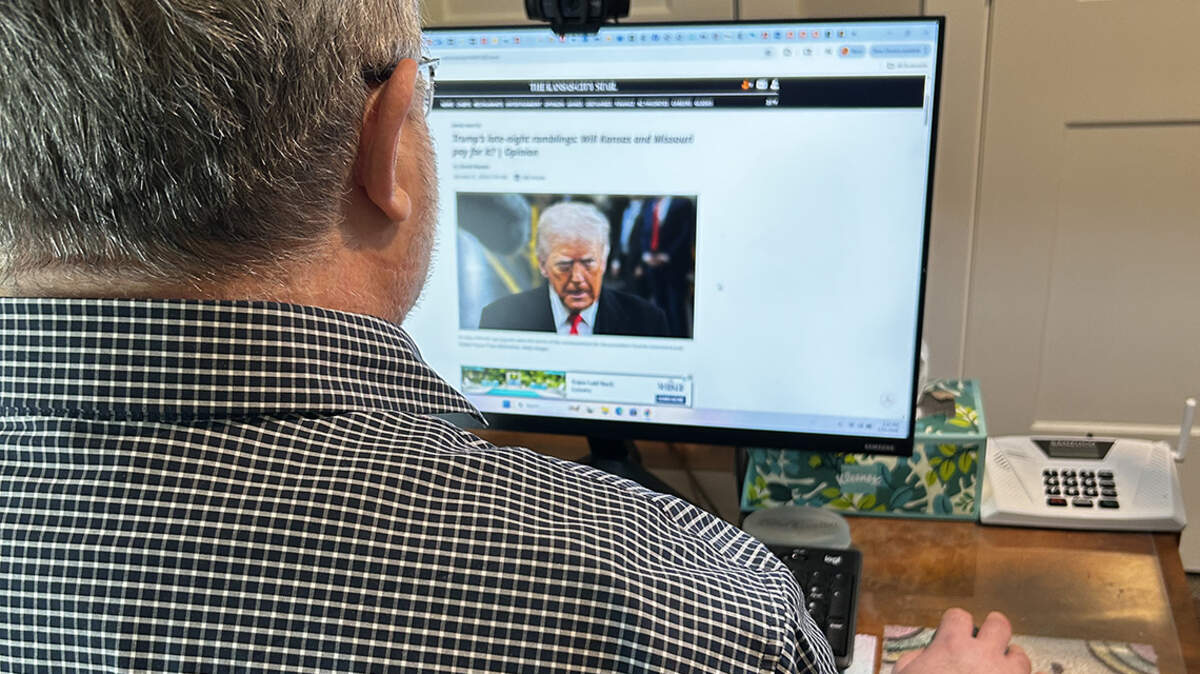
The first advice you get as a budding columnist, often even before you get your license, is to never read the comments.
I get why people say that. I am sure you all have seen comments that are not so nice. My mother writes some of them, accusing me of Trump derangement syndrome. The other day, she said she was disappointed in me because I had become a tabloid journalist.
But I do read them. All of them. I always have going back to the 1990s when I was part of an internal debate about whether newspaper web sites should even have comments at all. Some argued that because journalists can’t edit them or fact check them, they’d be a disservice to our readers by adding unvetted information to a site that values its credibility more highly than anything else.
I was for adding comments for one simple reason: We might learn something. We have thousands of readers who all have eyes and ears and experiences, and they are an invaluable resource. I have learned many somethings reading comments on my columns and news stories. Sometimes they have pointed me to new directions for reporting and research. Others have helped me reframe my ideas to be more nuanced and thoughtful.
This month, my pastor has been giving a series of sermons on tech culture called “What the Tech?” In the third installment, he quoted the Apostle Peter’s admonition to a group of early Christians that I wish more opinion-mongers would read. “Finally, all of you should be of one mind. Sympathize with each other. Love each other as brothers and sisters. Be tenderhearted and keep a humble attitude.”
When I tell people that I learn from the comments, I often get a shocked response along the lines of “What good are you as a journalist if you learn things from an online rabble?” At The Kansas City Star, we don’t have rabble. Our commenters are our subscribers. The least you deserve is the “humble attitude” that lets me learn and come back a better columnist tomorrow.
Moreover, in an age where the algorithms of social media and customizable news aggregators serve us a bespoke view of reality designed to tickle our every prejudice and cater to our every weakness, the unruly diversity of commenters is great protection from the filter bubble.
For the last 15 months that I have been a full-time columnist here, I have been reading and giving the thumbs up to comments I like and judiciously replying to a few. My hope is to create a better experience for my most engaged readers who, I am guessing, might be more likely to come back for my next column. But over that time, I’ve been frustrated sometimes when commenters assume the worst about what I say in my columns, in my comments and in each others’ comments.
I can assure you that I am not a jerk who hates anyone. I assume neither are you. Back to that quote from Peter’s letter, “Sympathize with each other.” Instead of assuming the worst or dumbest explanation for what we are saying to each other, I think dialogue would be more fruitful if we assumed the best.
Indeed, Peter’s quote continues, “Don’t repay evil for evil. Don’t retaliate with insults when people insult you. Instead, pay them back with a blessing.” If we’re assuming the best of each other, there’s no room for the nastiness that sometimes infects online comments.
In talking about this column with my pastor, he guided me to Martin Luther’s “Book of Concord,” where in reflecting on the Commandment not to bear false witness, Luther had this to say, “It is especially an excellent and noble virtue for one always to explain advantageously and put the best construction upon all he may hear of his neighbor … (not to) explain and pervert it in the worst way as is done now.”
Let us go into this near year together in the comments with the most excellent and noble virtues in mind. I am game if you are.
David Mastio is a national columnist for The Kansas City Star and McClatchy.