Yes it is about the oil, but it might not be about Venezuela | Opinion
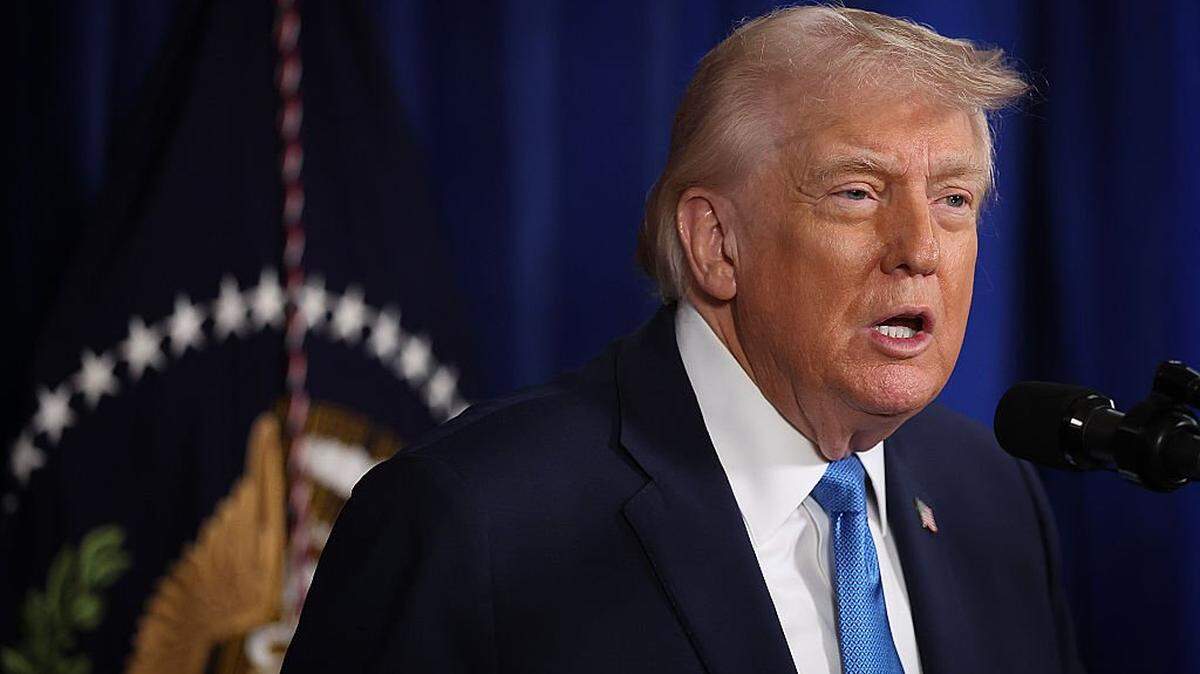
Donald Trump’s decision to snatch Venezuela’s illegitimate president Nicolas Maduro and, in his vision, take control of the oil-rich South American country is among the more normal bad things Trump has done since taking office. Using the military to kill, kidnap and otherwise overthrow foreign leaders without clear congressional authorization is the bipartisan hobby of presidents. Barack Obama did it. George H. W. Bush did it. Ronald Reagan did it. Presidents and presidential candidates of both parties like such as Hillary Clinton, Joe Biden and +John McCain cheered it on when in lesser government roles.
Plenty of people have explained how this could turn into a disaster. Nation-building, even outside the Muslim world, is expensive and risky. Having overthrown the leader of Venezuela, if not yet Maduro’s socialist government, we own it now.
But, if Trump’s viceroys in the nation that controls the world’s largest proven oil reserves can competently take command, at least, of the oil industry and return it to modern capitalist standards, the impact on geopolitics could be both positive and durable, from Cuba in the West as far away as the Gaza Strip, Iran and Ukraine.
Oil prices right now are low, in the neighborhood of $60 a barrel. That has a positive impact on inflation and economic growth across the globe. Keeping them that way is as big a boon to the world’s economy as Trump’s messy trade policies are a drag. Steady, low oil prices could save Trump from paying a political price for the economic stagnation his trade policies threaten in the 2026 midterm congressional elections.
But taking Venezuela’s oil production from the paltry trickle today to the nearly 3.5 million barrels a day the country produced at its 1970s peak before being nationalized in two steps will do far more than keep the global economy on an even keel.
U.S. control of growing Venezuelan oil supplies will have an immediate impact in Cuba, where Maduro has exported oil at cut-rate prices to prop up the ailing socialist economy for the last two decades. Losing that economic lifeline may be the blow that forces Cuba finally to open up and end the repression of its own people. At the very least, control of the oil will give the United States a much more powerful position to bring renewed pressure on Havana.
Trump’s Maduro move disrupts the oil alliance of China, Iran and Venezuela that thwarted economic sanctions and other international pressure on all three countries. Under the alliance, Venezuela mixed its heavy oil with Iran’s light oil to create a blend that was advantageous for the Chinese to buy over either country’s pure oil. China got economic growth and influence in South America and the Middle East while thwarting U.S. economic sanctions on both countries.
Now that alliance is no more. Iran loses funds to fuel terrorism and prop up its sluggish economy that has caused renewed protests to once again threaten the mullah’s regime. Financial support to the Islamist forces of Hamas and Hezbollah that threaten Israel becomes harder for Iran to sustain. China’s global influence dwindles. The U.S. gets a new market for light oils produced by American fracking.
For Russia, the impact may be even more dire. Since the 2014 invasion of Ukraine’s Crimean Peninsula, Vladimir Putin’s Russia has depended on dwindling Venezuelan oil production to prop up global prices and make energy sanctions against the aggressive dictatorship untenable for Europe and the United States. Russia depends on oil sales to bolster support for Putin’s regime, and to fund the war in Ukraine as the nation’s economic growth falters and inflation threatens to grow out of control.
With Venezuela’s oil production potentially on the upswing, Putin could find himself boxed in more thoroughly than ever before. U.S. and European energy sanctions proposals could have new life or even expand, as neither will have to pay an economic price for putting the squeeze on Russia.
As Donald Trump and his most vociferous critics have agreed, this South American drama is all about the oil. That doesn’t mean Trump’s actions are a bad thing.
Indeed, just because U.S. forces are massed in the south of the Caribbean doesn’t mean they aren’t aimed at Russia’s Black Sea pipelines, Iranian oil tankers and the Chinese economy.
Now Trump just has to play it smart. I won’t be holding my breath.
David Mastio is a national columnist for The Kansas City Star and McClatchy.
This story was originally published January 5, 2026 at 5:08 AM.