Hot Wheels and war plans: These are both bad lies but with one big difference | Opinion
This is a story of two lies that have partisans on both sides in a frothing rage, and how to tell the difference between them.
In one corner, we have up-and-coming Democratic progressive leader Rep. Jasmine Crockett of Texas. Rep. Crockett called Texas Governor Greg Abbott “Governor Hot Wheels” during a speech at a Human Rights Campaign event in Los Angeles. Republicans are right that Abbott, who has used a wheelchair since a tragic accident in 1984 left him paralyzed, deserves respect for his resilience and achievement, not ridicule for his disability.
The irony is rich that the distasteful jab came at an event hosted by HRC, which has appointed itself one of the internet’s chief sensitivity enforcers. Crockett’s defense — that she was referring to Abbott’s policy of busing migrants, not his physical condition — takes it from low-brow behavior to outright lie.
Crockett, you see, had interacted with posts on X calling the governor “Hot Wheels” before he ever started his migrant busing campaign. Gotcha, screamed the Republicans, one of whom, a Texas member of the House of Representatives, has introduced a measure calling for Crockett’s censure.
Maybe that is reasonable. But what then is the “reasonable” response to the second lie?
National security
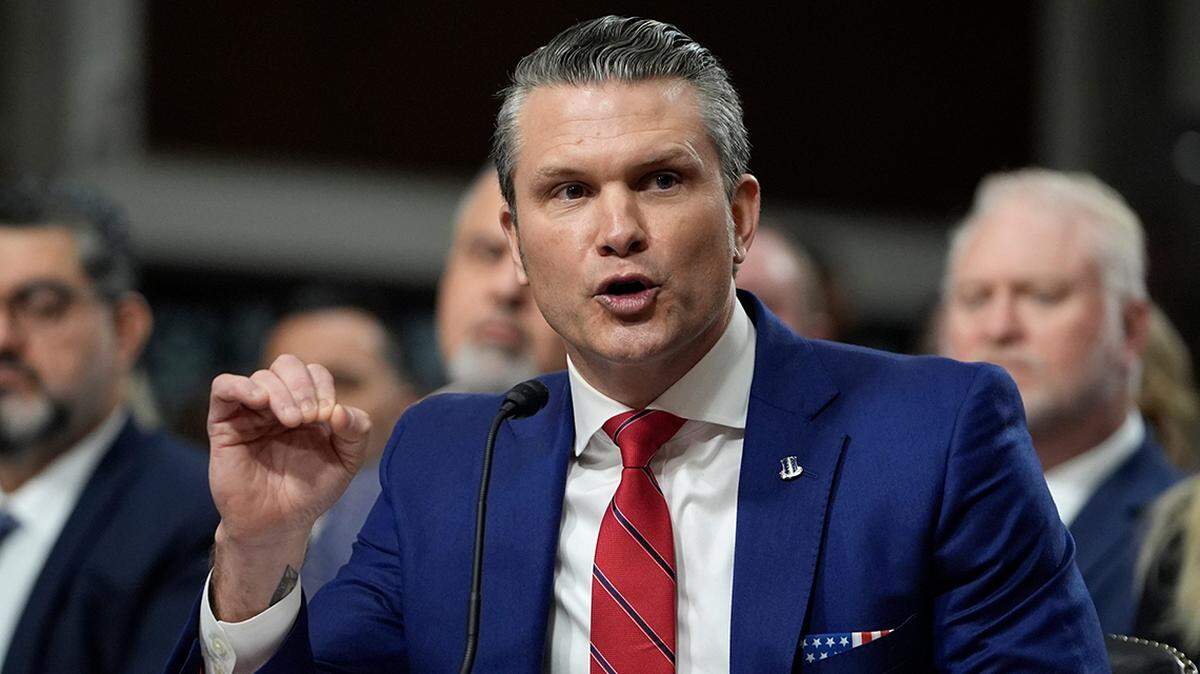
When The Atlantic’s editor-in-chief, Jeffrey Goldberg, revealed he was accidentally added to a group chat where senior leaders, including Defense Secretary Pete Hegseth, National Security Adviser Michael Waltz, and Vice President JD Vance, hashed out plans for airstrikes on Yemen’s Houthi rebels, the administration’s response was a masterclass in deflection and deceit.
Rather than own up to the breach, they’ve peddled a flimsy narrative that no “war plans” were shared and no classified information was compromised. This is a lie that insults both the public’s intelligence and the gravity of the situation.
Let’s cut through the spin. Goldberg’s account details operational specifics — targets, weapons, and timing — shared hours before the March 15, 2025, strikes. Hegseth himself texted the plan at 11:44 a.m., two hours before bombs fell.
To claim this wasn’t a “war plan” is somewhere between semantic nonsense and Clintonian hair-splitting. Director of National Intelligence Tulsi Gabbard and CIA Director John Ratcliffe doubled down during Senate testimony, insisting no classified material was involved. Yet, experts like Senator Mark Warner have countered that details like attack timing are inherently sensitive — classified or not, they’re not for casual chats on a commercial app. The National Security Council’s own Brian Hughes confirmed the thread’s authenticity, undermining the administration’s denials.
Most damning of all, Hegseth, who himself typed or pasted in the combat plans, denied he had done any such thing and cast blame on the journalist who did nothing to get himself added to the secret chat.
This isn’t just about sloppy tradecraft; it’s about a pattern of dishonesty that erodes trust.
Trump himself shrugged it off, saying, “I don’t know anything about Signal,” while praising the app as “the best technology for the moment.” His nonchalance is galling, especially given his 2016 crusade against Hillary Clinton’s private email server — a scandal he milked for political gain. Now, his team’s use of Signal for sensitive discussions mirrors that recklessness, but with higher stakes. Hegseth’s curt dismissal — “Nobody was texting war plans, and that’s all I have to say about that” — is a dodge, not a defense.
If it wasn’t a war plan, what was it? A casual chat about Yemen’s weather?
The hypocrisy stings deeper when you consider the context. On March 14, Gabbard posted on X that “unauthorized release of classified information is a violation of the law” — a day before the strikes and the chat’s exposure. Yet, when her own team flouted protocol, she pivoted to denial.
Meanwhile, the Pentagon had warned on March 18 about Signal’s vulnerabilities to Russian hackers, a red flag ignored by Trump’s inner circle. Their cavalier attitude could have tipped off adversaries, risking American lives.
Which lie is worse?
If an insensitive comment that might have hurt someone’s feelings deserves censure in Republican eyes, then what pray tell does insensitivity to the safety of American servicemen and the success of U.S. military operations deserve?
This fiasco demands more than a shrug. Democrats and Independents, like Sen. Angus King of Maine , have called for investigations, and rightly so. But that doesn’t go far enough, not nearly.
We already know the facts. Members of Trump’s top national security inner circle betrayed their duty, a sin which they have compounded by a refusal to own it. They must face real consequences — this isn’t lies about a real estate deal or campaign finance shenanigans — this is lies about misconduct that could have cost lives.
And there you have the difference between two lies. One was about a tasteless comment that might have hurt a governor’s feels. The other was about misconduct that might have cost brave young people their lives. I hope we still live in a country where that difference matters.
This story was originally published March 27, 2025 at 6:06 AM.