
Democrats dominate KC mayor’s race. Where are the Republicans and the boat-rockers?
Something is already missing in Kansas City’s mayoral race.
Yes, it’s early. Yes, the field may yet expand — or contract. Yes, the city’s political oxygen will soon be sucked up by a nasty U.S. Senate race in Missouri.
As it now stands, though, Kansas City is in danger of missing the chance to examine and debate a handful of fundamental problems the next mayor will face.
It isn’t healthy.
There are explanations. The city appears to be in good shape — cranes are swinging downtown. No one wants to be Debbie Downer in that environment.
“Kansas City Nice” plays a role, too. Mayoral campaigns can get ugly here, but it’s rare. Boat-rockers don’t do well.
Mostly, though, big-time issues will be missed because the major mayoral candidates think alike. They’re all, generally speaking, different flavors of Democrats, committed in varying degrees to an activist government doing activist things.
There are five council members on the expected candidate list and four outsiders. None seems willing or able to challenge basic city assumptions about how Kansas City operates.
(Don’t get me started on Clay Chastain. He may not be eligible, and he can’t win.)
If you doubt the generic quality of the current mayoral ballot, do this experiment: Put the leading candidates’ names in a hat, and pull one out. Would it make any real policy difference which name you picked? Probably not.
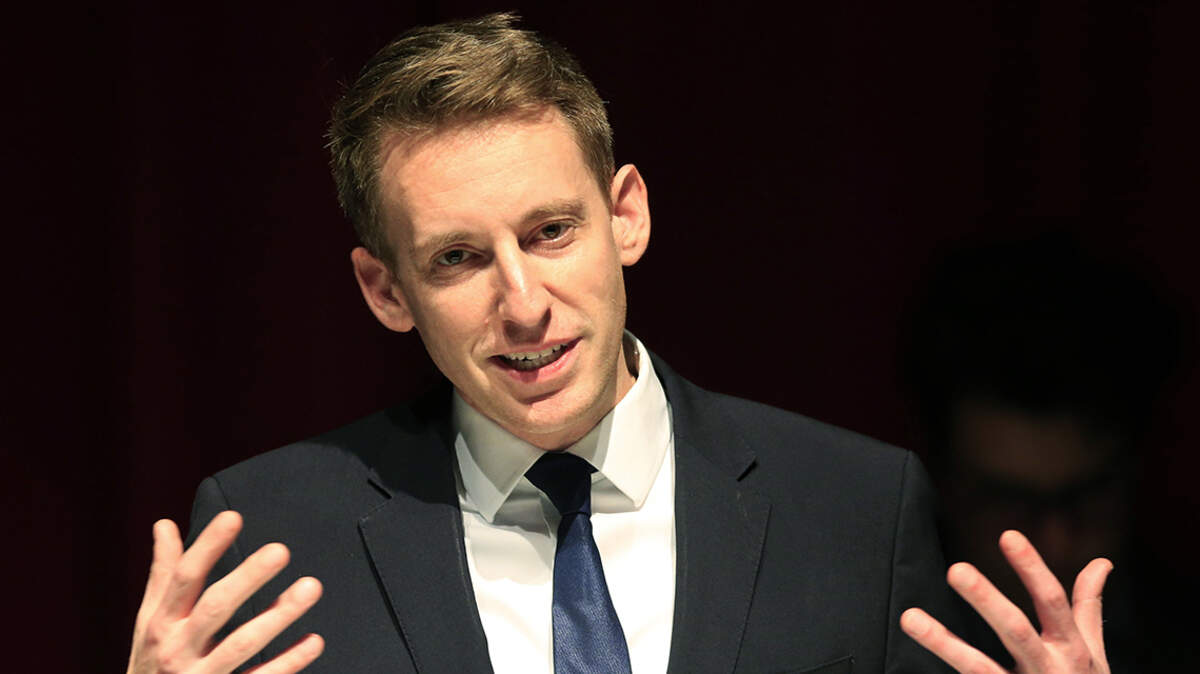
After Jason Kander’s candidacy became public this spring, political operatives and opponents said a version of the same thing — Kander will have to talk about potholes if he wants to win. But the next mayor won’t deal with potholes. That’s the city manager’s job.
The next mayor will have to deal with the city’s outsized debt, which will hamstring efforts to overcome an almost-certain economic downturn in the next eight years. The city’s development incentives are misaligned and misused. The city’s workforce lacks 21st-century technical skills.
Violent crime still plagues certain neighborhoods. The tax structure is seriously out of whack, hurting the poor and middle class. Minority communities are still underrepresented at City Hall.
Affordable housing and income inequality are major concerns. Public pension funds are struggling despite major injections of cash.
A real mayoral campaign would involve a serious conversation about these issues and others. But the field, as it now exists, lacks an informed outsider who could argue effectively against the status quo. In fact, Kander’s candidacy makes a true outsider campaign even less likely — his opponents will strive to move toward Kander, not in the opposite direction.
In a nonpartisan election in a major American city, some Democratic homogeneity is to be expected, of course. That means it will be up to voters to demand real answers, about real problems, this year and next.
Cities are now the focus of the most important discussions in American democracy. Not everything is up to date in Kansas City, and the next mayor should explain how he or she will fix that.
This story was originally published July 24, 2018 at 4:22 PM.