
A bully smacked me, ‘the little Black girl,’ hard. I was 9 and had felt racism before
As a child, I spent summer days outside in my Hickman Mills neighborhood. My best friend Melissa and I would awake early to begin our trek across the community. We walked to the Circle K, the Robandee library branch and the Green Cross drug store. While this was our usual routine, one day stands out in my memory.
As we drudged our way northward along Elm Avenue, I suddenly felt a stinging pain in the middle of my back that took my breath away. I gasped for air, terrified at what was happening to me. I cried out as hot tears began streaming down my face. The pain was unfathomable. Melissa stopped, shocked, her face turning a deep red. She reached out to hold me up as I began to topple forward from the ferocity at whatever had just happened.
Suddenly, I heard laughter as a red convertible sports car zoomed past. A blonde teenage boy began to yell disparaging words at me as the driver sped away. Melissa helped me regain my composure. She knew as well as I did what happened.
I was physically assaulted — struck with a vicious, open-handed slap — by an older boy because of my skin color.
And yes, Melissa was white.
At the time, I didn’t know who the boy was, but I would later find out he went around bragging about how he “smacked the little Black girl.” He and his friends laughed about my pain.
I never told anyone in my family what happened. Somehow, in my 9-year-old brain, I felt ashamed. My body hurt but my heart — and my self-esteem — hurt worse. It wasn’t that it was the first incident of racism I had experienced but it was the one time where my actual Black body was attacked solely because of its melanin.
I was 5 when we arrived in our neighborhood, unaware we were the first Black family on the block. When we began to move our things in, a neighbor asked my father if we were “the help.” Needless to say, the neighbor was shocked when he was told we were the residents.
So it began — my introduction into racism before my first day of kindergarten. The incidents varied from being called the N-word to people driving their cars through our yard at night. People calling me ugly — or others saying I was cute “for a Black girl.” The time a dad encouraged some boys to jump my brother. (Sidebar: mistake.) When they — including two of the man’s sons — were defeated, he stood watching. He shook his head and said, “They just can’t beat that n****r.”
Eventually, I became friends with kids in the neighborhood. That doesn’t mean racism halted; it simply shifted. In school, I was disciplined more harshly than my white counterparts for the same offenses. In majority white spaces, microagressions were rampant. In my teens, I suffered from internalized racism, often exhibiting self-loathing behavior. I didn’t fully embrace who I was for years. As my neighborhood and school district became more diverse, so did my social circle. I grew confident in owning my Blackness, in spite of the disdain some people showed me for it.
A lot of my friends don’t know my backstory. In sharing my truth, it is my hope that our white counterparts become readily willing to listen to our experiences, to be reflective on their own beliefs about race and racism. After all, to dismiss or gloss over our accounts doesn’t negate the existence of racism. I hope that dialogue will lead to self-actualization, as some may not realize they hold implicit biases, or that seeds planted early in life are still a part of their beliefs.
For white people who say, “Move on. You guys are beating a dead horse! I’m tired of hearing about the issue of race”: Trust — we’re tired, too. But as long as racism plagues our world, we all must continue to speak and call out bigotry when we see it.
The conversations may be difficult and downright uncomfortable. But I promise they won’t be any worse than the sting of that slap on my 9-year-old back.
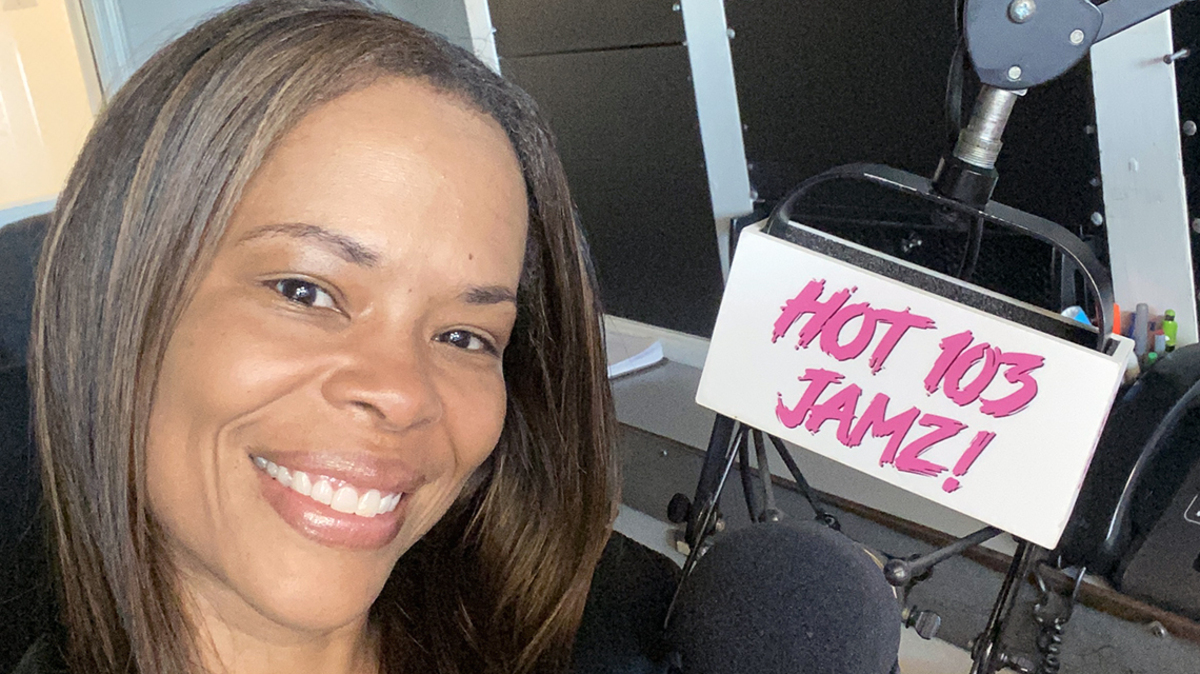
Julee Jonez is a radio personality at KPRS 103 Jamz.
This story was originally published July 16, 2020 at 5:00 AM.