
We must face reality: Slave patrols of the Old South are a foundation of our policing
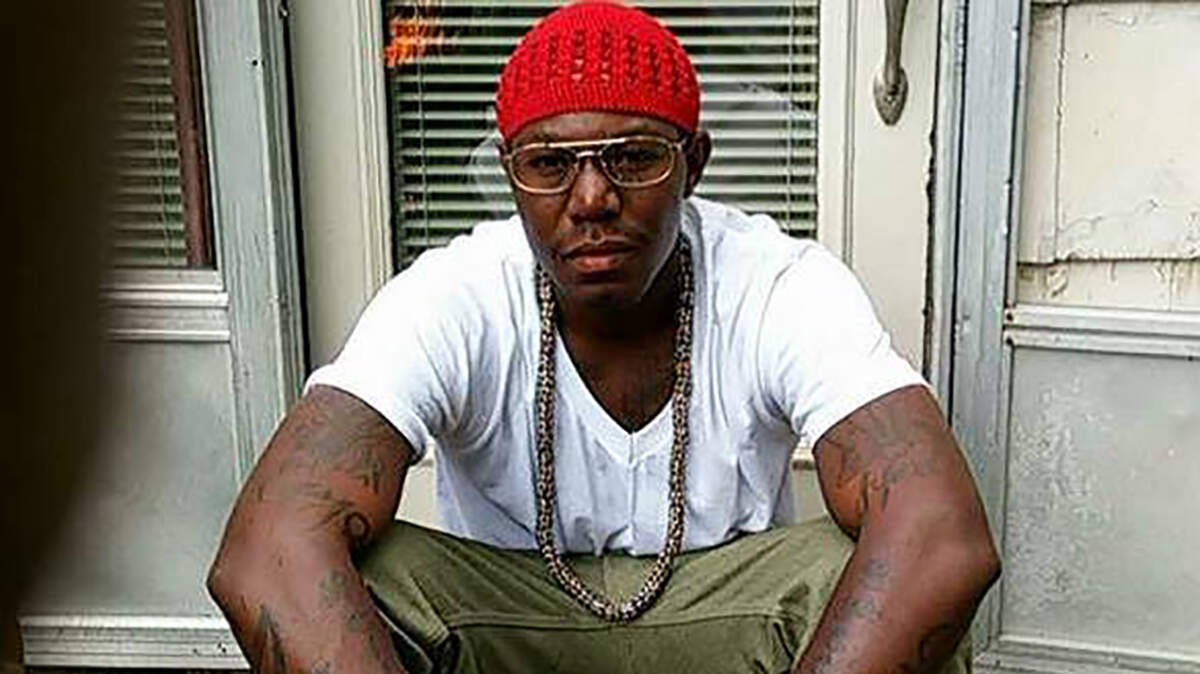
The National Black United Front began more than 40 years ago, first in Brooklyn, New York, before expanding across the country to Dallas, Houston, Washington D.C., Kansas City and other cities.
Since its inception, NBUF has always organized to address numerous issues that impact the Black community. NBUF consistently challenges the racist public policy positions of our systems of criminal justice, education and housing. And it has combated the far too many cases of police brutality that continue today.
The sad reality is that when we look at the problems the NBUF was initially formed to tackle four decades ago, we find ourselves still on the front lines of the same issues today.
When we discuss American police departments and their current relationship with the Black community, it’s very important to understand the history between the two. A significant foundation of American law enforcement is the slave patrols of the Old South. The first of these patrols was formed in South Carolina in 1704, and the idea soon spread to the other colonies.
The slave patrols had three main purposes:
▪ Maintaining discipline on the plantation.
▪ Instilling fear in order to deter uprisings by enslaved Africans.
▪ Tracking, pursuing and capturing enslaved African runaways and returning them to the plantation owners.
These patrolmen employed both physical and psychological war tactics on the enslaved. They would use a practice called “buck breaking” and other acts of torture to create fear among the groups of enslaved Africans.
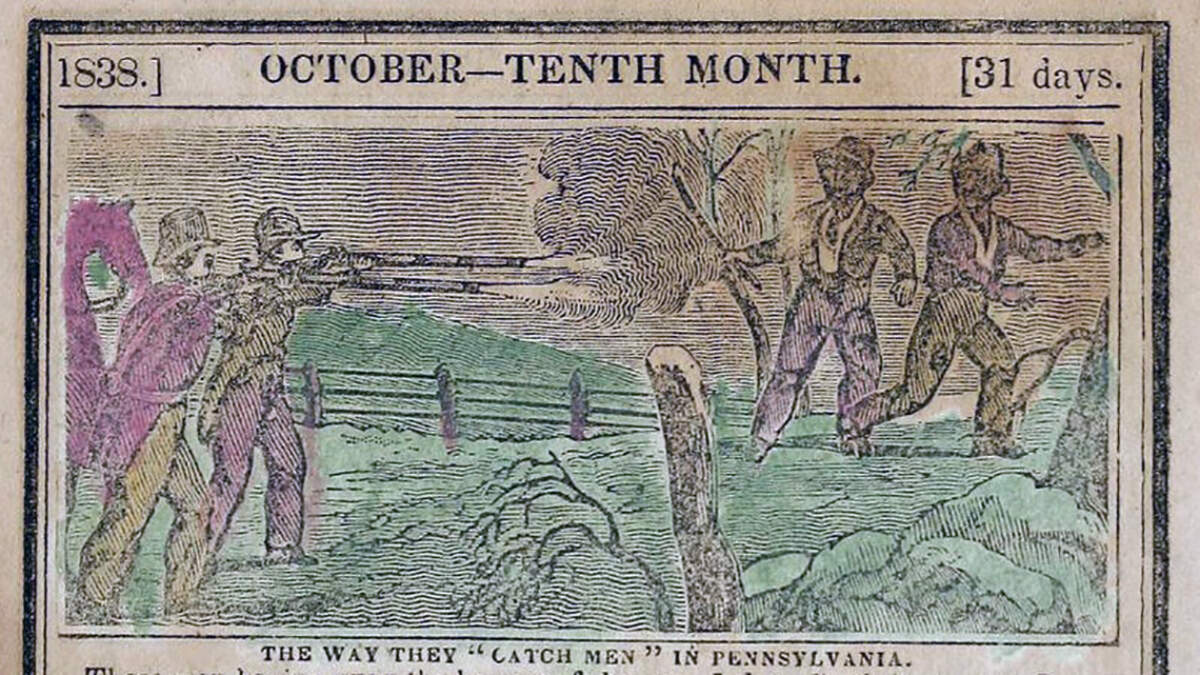
With the Southern economy on the rise, plantation owners needed more and more enslaved Africans to work the fields. As this demand grew, so did the constant worry among the white population and plantation owners alike of slave uprisings — with good reason.
Soon, slave rebellions would become more common. Once the Civil War began, enslaved Africans realized they had an opportunity both to liberate themselves from the harsh clutch of slavery while simultaneously saving the Union from defeat at the hands of the rebel states.
Even after liberating themselves from slavery, Black people brought to this country against their will still had to fight against racist laws, policy and policing — practices such as convict leasing that exploited Black prisoners for private labor, Black codes that robbed former slaves of many legal rights, Jim Crow laws, voter restrictions and redlining. These all perpetuated the racist white supremacist ideology, and further ingrained it into the fabric of society and policing that we see in the present.
Miseducation, flat-out lies and blatant disregard for the Black experience in America have brought us this powder keg that we are witnessing today. Until real change is achieved within our nation’s police departments and other government entities, we will continue to see the responses that we have all watched unfold within the past few months.
The only way to begin to heal this country and right all its wrongs is to stop minimizing and dismissing the Black experience — and instead confront it head on. Then identify substantial and tangible goals in place of the empty dreams we’ve been sold in the past, whether those solutions are reparations, meaningful policy changes or defunding the police. (That catchphrase doesn’t necessarily mean dismantling law enforcement, by the way. It means reducing police budgets and reallocating the funds to more pressing needs in our cities, such as education, housing and mental health services.)
We would be wise to heed Langston Hughes’ 1942 poem, “Warning”:
Negroes,
Sweet and docile,
Meek, humble, and kind:
Beware the day
They change their minds!
Wind
In the cotton fields
Gentle breeze:
Beware the hour
It uproots trees!
Talib Ntwadumela Muwwakkil is chairman of the National Black United Front-Kansas City.