
Stadium funding plan blocked in Missouri Senate. We believe that’s a good thing | Opinion
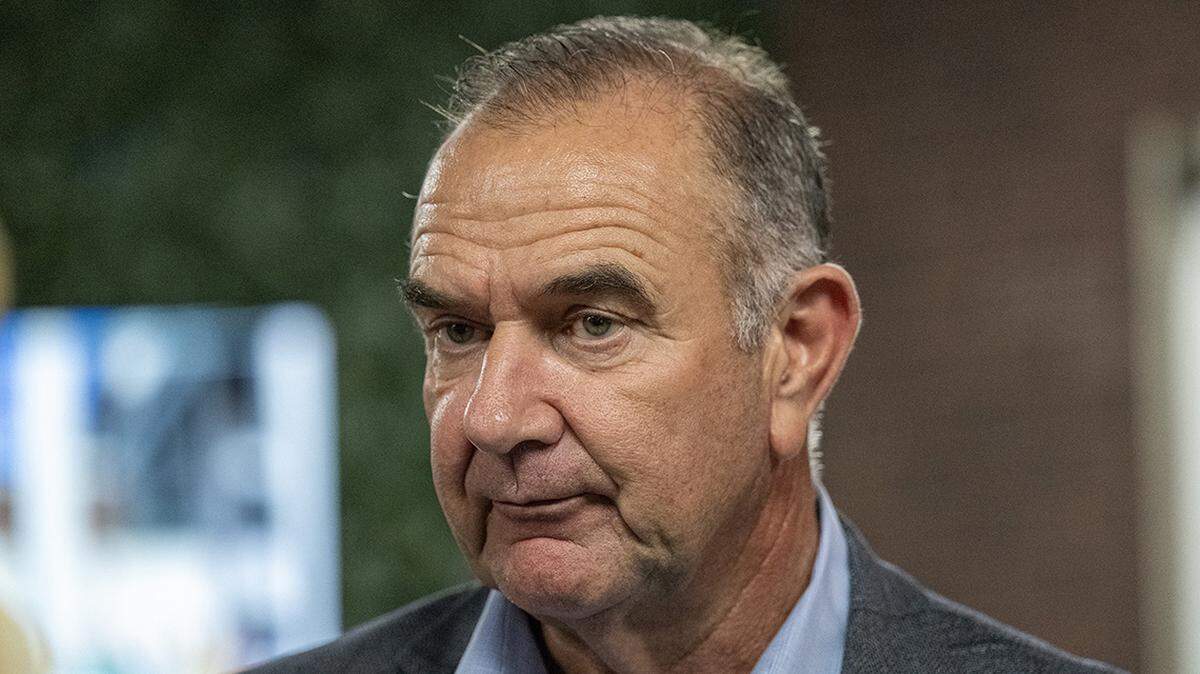
Missouri lawmakers have left Jefferson City, unable to reach agreement on a package designed to pay part of the costs of new or improved stadiums for the Kansas City Chiefs and Royals.
The Missouri Senate was the culprit. It took up, but failed to pass, House-approved legislation that could have provided hundreds of millions of tax dollars for local stadium projects.
The Senate’s failure may be frustrating for some, but let’s be clear: In this case, state senators made the right decision, at least for now.
Some Missourians, and some Kansas Citians, are opposed to any public support for stadium projects, ever, regardless of the cost or source of funds. That’s an understandable approach, but it’s one we don’t share.
Public support for public institutions such as the Chiefs and Royals has been the reality in this community for decades. We would not have professional sports franchises without that help. And the region has undoubtedly benefited from the teams’ presence, in both economic and noneconomic ways.
But public support for baseball and football should never mean a blank check, either. We can potentially support stadium subsidies that are reasonable, fair and transparent. At the same time, taxpayers must know what they’re paying for, and how they’re paying it, and for how long, before endorsing any stadium subsidy framework.
On that score, the legislative package proposed by Gov. Mike Kehoe failed.
Last-minute dealing
Let’s start with the obvious. The Kehoe plan surfaced in the final hours of the legislative session, without hearings or even a full public discussion. The plan, which involves dedicating future tax revenues to redeem borrowing for the stadiums, was never fully explained to the public.
And taxpayers have every right to expect representatives of the teams to testify, in public, about their need for stadium help. If the Royals’ John Sherman and the Chiefs’ Clark Hunt want Missourians to help build their stadiums, they should ask for that help, in loud, clear voices. Their silence in the final week of debate was deafening.
But the problem with the Kehoe plan is more fundamental. For two years, we’ve asked the teams and public officials to provide full details of their stadium proposals in a simple, one-sheet outline. The framework would answer obvious questions:
Where will the stadiums be built?
What would it cost? Who would pay? For how long?
What other community benefits are available? How would local workers be involved?
At this late date, more than a year after Jackson County voters asked for this basic information, we still can’t answer these questions about stadium projects for either club.
We still don’t know if the Chiefs want a new stadium, or a rebuild of their current facility. We don’t even know whether the Royals will stay in Kansas City or move somewhere else in Missouri.
Against this backdrop, stadium boosters in Jefferson City wanted the legislature to commit to spending hundreds of millions of taxpayer dollars over three decades for — um, something. No thank you.
Some local politicians think the lack of information is just fine. Preferable, even. “Everybody can lobby it, everybody can have debates about it, we can have all the TV cameras set up,” Kansas City Mayor Quinton Lucas said before the Kehoe plan collapsed. “Or we can actually do what I think is the right thing, get it done now.”
That is exactly the argument former Mayor Sly James made about the airport terminal project, which was, essentially: Nosy taxpayers should go away and we’ll take care of this. It is and was absolutely the wrong approach. The public must have complete clarity about the use of public dollars for these projects.
That’s why the state Senate’s decision to set the package aside was correct. We salute Gov. Kehoe for finally putting a state stadium plan on the table, but we suggest he delay any special session call until the teams publish the full details of their requests.
Give us details, transparency
Those details should include a full outline of additional funds for the stadiums, including the full planned contributions of both teams, as well as any local taxpayer support, with or without a local vote. We’d like a side-by-side comparison with the offers from Kansas, too.
Finally, before the General Assembly reconvenes, we’d urge Kehoe and other boosters to broaden their argument supporting public support for these projects. To date, they’ve focused on the supposed economic impact of the teams, comparing these incentives to those you might consider for any private company.
That’s fine, as far as it goes. But study after study suggests the economic impact of stadium construction is limited at best. To push for these projects because they mean additional jobs or marginal tax revenue can limit the public’s vision and reduce support for the plans.
Kansas City’s water fountains don’t provide lots of jobs or tax revenue. Yet they’re essential, because they make Kansas City a better place to live. The same is true of parks, or public art, or performing arts venues.
It’s the same with the Chiefs and Royals (and the St. Louis Cardinals, by the way, and other sports franchises.) They are worth more than the bottom line. They make life better for all of us. That’s why they should qualify for clear, necessary, modest public investment.
There is still time to make that case. It will require focus and genuine engagement, from the teams as well as the politicians. We think that path is possible, and we urge our representatives to pursue it.