
KC police knew ambulance stabbing suspect was dangerous. Could she have been stopped? | Opinion
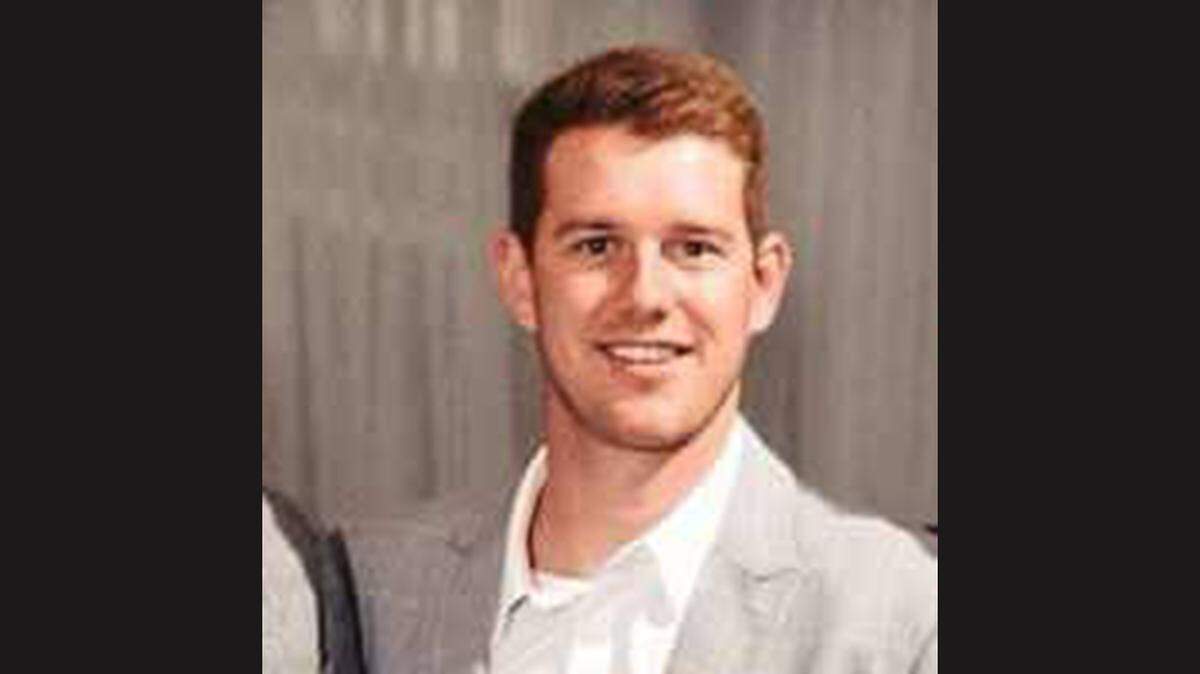
Kansas City firefighter-paramedic Graham Hoffman was laid to rest Friday. We should all take this moment to pause, catch our collective breath and continue to honor the fallen first responder’s memory.
We offer sincere condolences to Hoffman’s family, friends and fellow firefighters. We all owe this 29-year-old man a great deal of gratitude for his service to our city.
On April 27, Shanetta Bossell allegedly fatally stabbed Hoffman in the chest, piercing his heart, during a routine call that was anything but.
In the days following Hoffman’s death, we all had questions — and still do — on how such a tragedy could occur. And it’s only natural to wonder whether public safety personnel on the scene followed proper protocol and procedure leading up to the incident.
While it’s almost a given that we immediately want to assign blame, in this case everyone must exercise patience as city officials sort out what — if anything — went wrong.
Both Mayor Quinton Lucas and interim Fire Chief Ross Grundyson have shown a willingness to get in front of the issue to reassure the public and Hoffman’s colleagues that we will get to the bottom of what occurred.
And Michael Hopkins, a Kansas City Fire Department battalion chief, told The Star the department is open to making changes if need be.
This public-facing approach must continue. We call on Lucas, Grundyson and the City Council to work together with the local unions that represent fire department personnel to find out exactly what could and should have been done to prevent such a senseless tragedy.
City officials must analyze the factors that led to Hoffman’s death with a fine tooth comb and present those findings to the public in a timely manner. As much as we want to know the why and how, it’s important to keep in mind that a thorough investigation of an on-duty death takes more than a few days to conduct.
No search or pat-down
The morning Bossell fatally stabbed Hoffman, a Kansas City police officer responding to a welfare call was the first person to encounter the woman walking on Missouri 152 near North Oak Trafficway in Kansas City’s Northland, according to court documents filed in the first-degree murder case against her.
After the officer noticed a laceration on Bossell’s hand, he summoned an ambulance, court records indicate. Later, the officer offered to take Bossell home but she declined. She then voluntarily agreed to be taken to the hospital by Hoffman and his partner. The officer followed in his police vehicle. Bossell and Hoffman were alone in the patient area of the ambulance when she stabbed him, according to court records.
In documents we read, there is no indication the officer involved searched or performed a pat-down on Bossell to see if she was armed with a weapon. She was not a criminal suspect, Kansas City police have said, so there was no reason to assume the worst.
But she was considered dangerous by police, according to The Star. On April 23, Bossell allegedly bit the arm of an off-duty Platte City officer in the Northland. A probable cause affidavit in that incident stated: “Due to the violent nature of the incident Bossell should be considered a danger to the public.”
What the officer knew about this important information is a question police have yet to answer. Officials did tell us the department is reviewing the incident to determine if anything needs to be addressed.
“During any investigation, the totality events will be reviewed by all of the appropriate elements,” police spokeswoman Alayna Gonzalez wrote in an email. “We are always reviewing current practices and making adjustments and improvements to policies as needed.”
Was ambulance staffing an issue?
Under Missouri law, an ambulance transporting a patient must have a minimum of two licensed emergency medical responders on board, and one must be an emergency medical technician.
While some cities may staff ambulances with up to three qualified medical responders — in Harrisonville these three-person crews are called engine companies — the two-person setup used in this case is not all that unusual.
Because there are many unknown facts about Hoffman’s death, it would be impossible at this time to determine whether the fire department needs to adjust its staffing model, according to Battalion Chief Hopkins. But it is a very real change the department must consider going forward.
“The work we do is very nuanced particularly on the medical side and many factors have to be looked at when making those determinations,” he told The Star. “We will review this case and determine if policy changes are necessary or if new policies are needed.”
To properly honor Graham Hoffman, acknowledgment of his service is the least we should ask of — and we must demand that this kind of calamity never happens again.