
Wichita to Washington flight crash: We call for a review of air traffic rules at Reagan | Opinion
We grieve today for the lives lost in Washington D.C. Wednesday evening, when an Army helicopter collided with a passenger aircraft over the Potomac River. We pray for the families of the 67 victims, and we share the heartbreak of those who knew and loved them.
We’re particularly sorry for our neighbors and friends in Wichita, where the flight originated. We know Wichitans are hurting. We hope they feel the embrace of the nation, and the world, after this tragedy, and find some comfort in that.
We mourn the soldiers killed in the crash.
Investigations are underway, as they should be. We urge authorities to take as much time as they need to sort through the evidence to determine the cause, or causes, of the calamity. The only good to ever come from such events is learning facts that prevent another disaster.
Flying in a commercial aircraft remains safe. We should keep that in mind. Ignore the bizarre claims of conspiracy already percolating on social media.
Let’s address real concerns
Let’s also dismiss the absurd statement from President Donald Trump that somehow diversity in the control tower caused the crash, or that current air traffic controllers are not smart enough to do the job. There is no evidence the statement is true.
There is evidence the tower may have been understaffed. That’s a sobering concern, and one that needs immediate attention.
Let investigators do their work. Among the subjects they should address: the crowded airspace above and around Reagan National Airport in Washington, which is undeniable and dangerous.
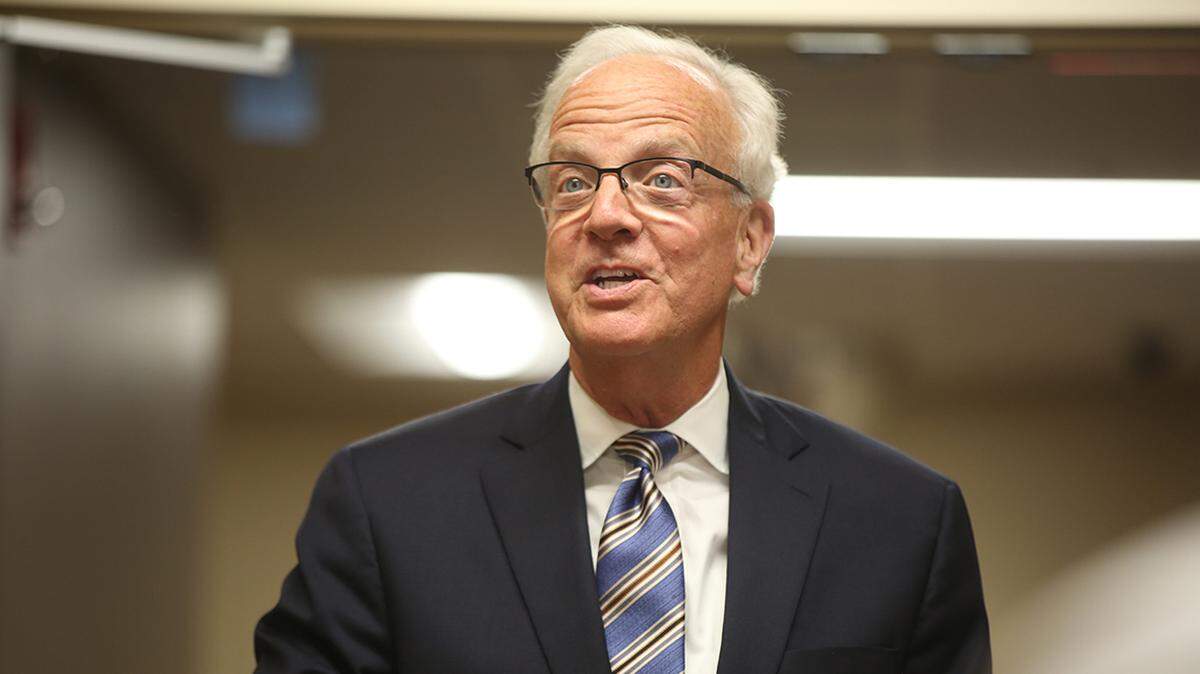
The American Airlines flight from Wichita to Washington started almost exactly a year ago, according to the office of Sen. Jerry Moran of Kansas. Moran was heavily involved in lobbying American to begin the round-trip service between Wichita and Washington.
“I know people who take this flight from Wichita to our nation’s capital,” Moran said in a statement. He called the tragedy “personal.”
The Wichita-to-Washington route replaced a different canceled flight, the office said, so it did not add to the congestion at Reagan National.
Fair enough. But anyone who has ever flown into Washington knows the truth: Reagan National is too crowded. Fortune magazine reported there were eight near-misses at the facility in 2024 alone. The Metropolitan Washington Airports Authority says one runway at Reagan National is the busiest runway in the nation.
Are federal rules sufficient?
Current law prohibits flights into Reagan National that come from farther away than 1,250 miles. In 2023, Congress added 10 flights that violated the rule. They did so because Reagan National is extraordinarily convenient – roughly a 15 minutes drive from Capitol Hill.
Federal rules allow 60 arrivals and departures at Reagan National per hour between 6 A.M. and midnight. Think of that: it’s one every minute.
Now add to that small runways, a blinding blizzard of non-aviation lights, the darkness of nighttime, and buzzing helicopters flying along the same Potomac River, and the potential for a crash is clear.
Sen. Moran is a member of the Senate Commerce Subcommittee on Aviation. In his legislation for the FAA Reauthorization Act, signed into law last year, he made support staffing for air traffic control a priority, “to address air traffic controller staffing and training concerns.”
We think he can and should lead the way in re-examining air traffic and safety rules around the airport, even if that means fewer flights from some communities, including some in Kansas and Missouri.
We also think Sen. Moran, and his colleague Sen. Roger Marshall, should convince the White House to end its regrettable and hazardous campaign against the federal workforce, which is no doubt on the mind of air traffic controllers and other workers today.
Since his inauguration ten days ago, Trump and his deputies have fired federal workers, suspended the hiring of federal workers, changed their duties, and encouraged some to take early retirement. They have denigrated the workforce at every opportunity.
Most of these actions appear to have been based on the musings of billionaire Elon Musk. Yet the airport disaster proves the obvious: Public safety is not Twitter. Mass firings and deregulation have a cost.
That’s true for air safety, but also true for food and drug safety, and health safety, and transportation safety, and workplace safety, and child safety, and a host of other federal health and security responsibilities. We cannot slash our way to a better America. That should be clear.
We mourn the lives lost Wednesday. We think the best way to honor those victims is to approach this disaster as fact-focused adults who understand the need for reasonable rules and a well-trained federal workforce.
This story was originally published January 30, 2025 at 3:44 PM.