
Millions in police settlements come from KC taxpayers’ pockets. KCPD needs real reform | Opinion
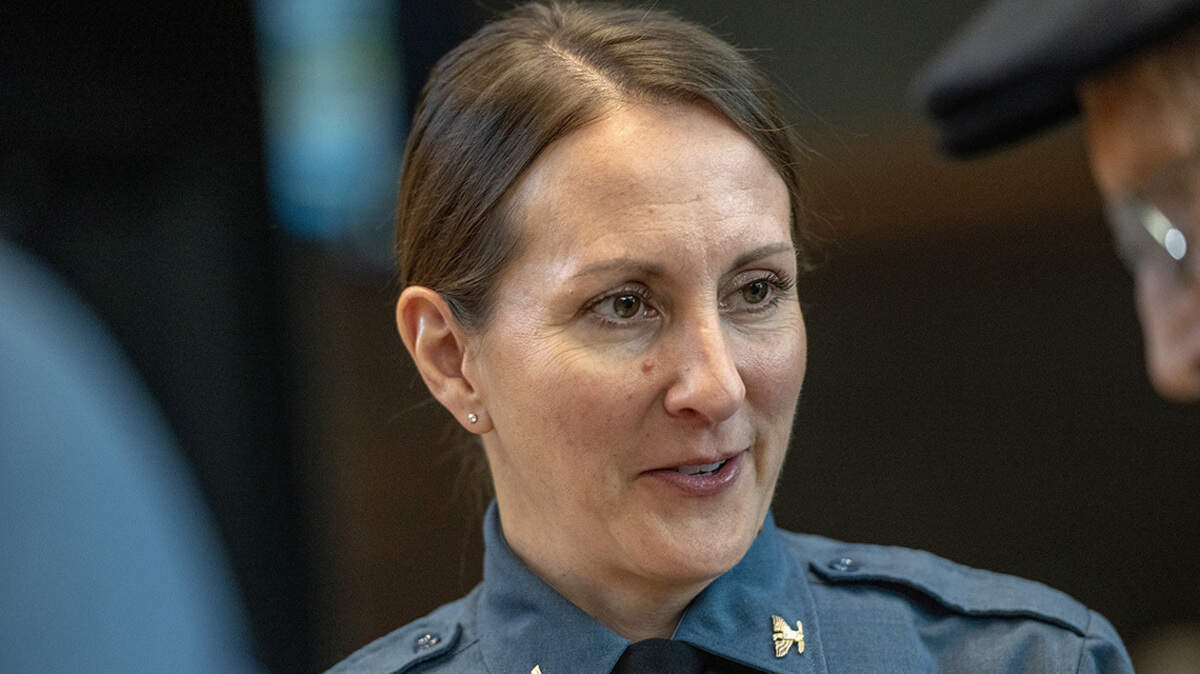
The Star has reported that the Kansas City Police Department has paid nearly $7 million in settlements from February 2023 to February 2024.
Nearly $7 million. Let that sink in a moment. It’s more than troubling.
Steve Young, co-founder of the Kansas City Law Enforcement Accountability Project, told reporter Katie Moore that it was “an obscene number.”
We agree. Moore reported Wednesday that the payouts totaled $6,810,001. The cases stemmed from as far back as 2018.
We realize that while those payout amounts were from a one-year period, the incidents they compensate for ranged over multiple years. However, some of the settlements involved an officer who has been named in multiple use of excessive force cases — and that must be noted.
The largest of the payouts was $5 million and went to the family of Terrence Bridges Jr. Police shot and killed the Kansas City man in May 2019 after officers responded to a reported carjacking.
“Police had said Bridges resisted arrest and an officer shot him during a struggle. However, his family maintained that Bridges did not pose a threat, was not armed when he was shot and was not involved in a carjacking,” Moore reported.
Other settlements ranged from contacts with police officers, including traffic stops, a police chase, false imprisonment and use of excessive force. Two of the incidents resulted in deaths.
It’s not the first time the KCPD has been involved in large settlement payouts. This editorial board wrote about the Bridges case in 2022 when the state-appointed Board of Police Commissioners first agreed to make the multimillion-dollar payment.
Despite Jefferson City politicians’ false statements about “defunding the police,” the City Council has steadily increased the department’s budget in recent years. While that may be needed, it can’t be the only solution. (Missourians will have another opportunity to vote on KCPD funding in the August primary election.)
As we think about these incidents settled with taxpayer money, we believe community engagement and de-escalation are a double solution to the tension between police and the policed.
The board then, and now, is concerned that these settlements continue to show excessive police force and involve public dollars, yet are handled with virtually no public input and accountability.
Questions we asked in 2022 are the same questions we are asking now:
- In the aftermath of these payouts, what changes took place in the department?
- What discipline was imposed?
- What new training was implemented, if any?
Regarding one of the incident payouts, Kansas City police sergeant Matthew T. Neal left the department after pleading guilty to smashing the face of a 15-year-old boy in November 2019 in front of a restaurant at 51st Street and Troost Avenue following a police pursuit.
Officer Dylan Pifer was also identified in that incident but not charged. Months earlier, Pifer shot Bridges in the chest in the case that led to the $5 million settlement.
Pifer is still employed by KCPD at the rank of police officer and is currently assigned to patrol bureau, according to a department spokesperson.
Is new chief engaging with the community?
Police Chief Stacey Graves, hired in December 2022 after all these incidents, has articulated her concerns about crime trends and a desire to make reforms during her tenure. But has it been enough?
In January, Graves announced some changes, adding an hour to all 10-hour shifts for patrol division officers. At that time, the KCPD was down roughly 300 officers, and she said the 11-hour shift would ease a critical staffing shortage and deploy more officers on the street during peak times. The new shifts began Jan. 21.
She also offered some statistics: “Despite a staffing shortage, detectives cleared 73% of homicides in 2023, well above the national average of 52%.”
Graves also referred to an evidence-based focused deterrence strategy, in combination with the city’s Partners for Peace program and multidisciplinary task force.
Nearly six months into this shift change, we’d like to know how it has helped.
Graves released a data-driven crime plan in March. Perhaps the three-pronged strategy (data, deterrence and community engagement) will gain some traction. The plan does note the importance of building confidence in the community and creating police legitimacy:
“All KCPD members are charged with building strong community relationships and seeking opportunities each day to build public trust. Steps to build on the KCPD’s existing community-focused practices began in 2023, including all sworn staff receiving training in Integrating Communications, Assessment, and Tactics (ICAT) and Constitutional Policing.”
How is the existing training going? What have we learned?
What’s missing, perhaps, is a fourth prong showing how to measure the results of training and a no-tolerance policy to deal with officers who use excessive force.
Kansas City residents want to trust police in day-to-day encounters without fear of serious injury or death. Settlements like these make it hard to, however, without a way forward. We’ve called for transparency in the past. We need it now, more than ever.