
Big 12 expansion is great for KU and K-State. But what about the student-athletes? | Opinion
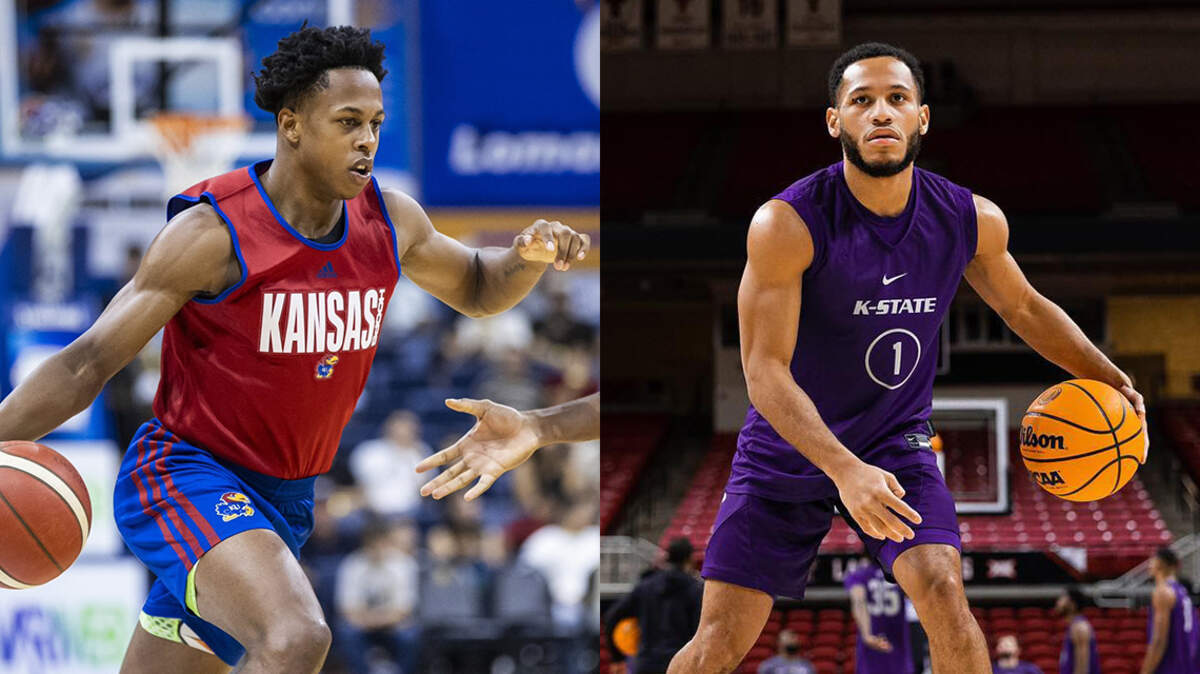
The Big 12 is getting bigger — a lot bigger. That’s good news for the league, which not so long ago looked like it might soon become an also-ran in the world of college athletics. And it’s good news for two area universities, the University of Kansas and Kansas State University, that remain in the conference.
But is expansion so great for the academic mission — which is, after all, the central purpose — of those universities? How about the students who play the games?
Or, as Mizzou football coach Eli Drinkwitz asked on Saturday: “Did we count the cost for student-athletes involved in this decision?”
The answers to those questions are less clear.
Let’s start, though, with the good news. Over the last few weeks, the Big 12 has agreed to add four new members: Colorado, Arizona, Arizona State and Utah. That’s in addition to four other new members that previously agreed to join the league: BYU, Central Florida, Cincinnati and Houston.
Which means the Big 12 suddenly finds itself in a position of strength, just two years after Texas and Oklahoma announced their departures for the brighter lights and bigger paydays of the SEC. The loss of those two powerhouse athletic programs — and the TV money they have attracted to other teams in the Big 12 — left the league’s future looking murky, and the status of KU and K-State as top-tier college sports on less-than-stable ground.
But last year the Big 12’s new leadership was able to secure a lucrative new television contract with ESPN and Fox. The Pac-12, composed mainly of college programs in the West, couldn’t duplicate that feat. A number of that league’s universities decided to flee in recent weeks. Four of them ended up in the Big 12. The rest is history.
The Big 12 is celebrating. So are the students, alumni and other fans of KU and K-State, at least until the next round of league realignment. They deserve to be happy.
So what’s the downside?
Nearly absent from all the discussion of television contracts and which teams will end up in which leagues is any mention of student-athletes themselves. You know: the young people who provide the work and entertainment that has become so lucrative to universities — which in turn has created the spectacle of league-hopping schools that we’re now observing.
The omission is conspicuous.
The Big 12 is a once-regional league focused on the center of the country that now spans nearly from coast to coast. That means many players will spend a lot more time on the road while still juggling classes and academic demands.
“Longer trips and travel times equate to an increase in time away from campus, missed classes and jet lag,” one researcher found last year. “These increases have been shown to have a negative effect on academic performance and the athlete’s physical and mental health.”
It’s possible that casual fans don’t really think about the academic component of college sports anymore: We’ve heard so much about the glamorous compensation packages enjoyed by a few high-profile athletes that college athletics seems indistinguishable from the pros.
But those celebrity athletes are the exception: Most student-athletes receive relatively minor name, image and likeness or NIL benefits. Most of them — the kids who run cross country, play volleyball or compete on the swim team — are on campus to play sports, yes, but also to earn a degree and prepare for a career that will extend long after their playing days are over.
The Big 12’s expansion probably wasn’t done with those students in mind. Instead it was revenue-producing sports like football and basketball that have driven the changes. That has long been the case, of course, but it is still worth questioning when we see such upheavals.
We’re glad that the league is safe for now, and look forward to alumni and fans getting to celebrate KU and K-State’s many successes in the expanded Big 12. We just hope that student-athletes also benefit — and that somebody in charge is looking out for them.
This story was originally published August 7, 2023 at 1:36 PM.