
In driver shortage, KC-area district asks parents to get behind the school bus wheel
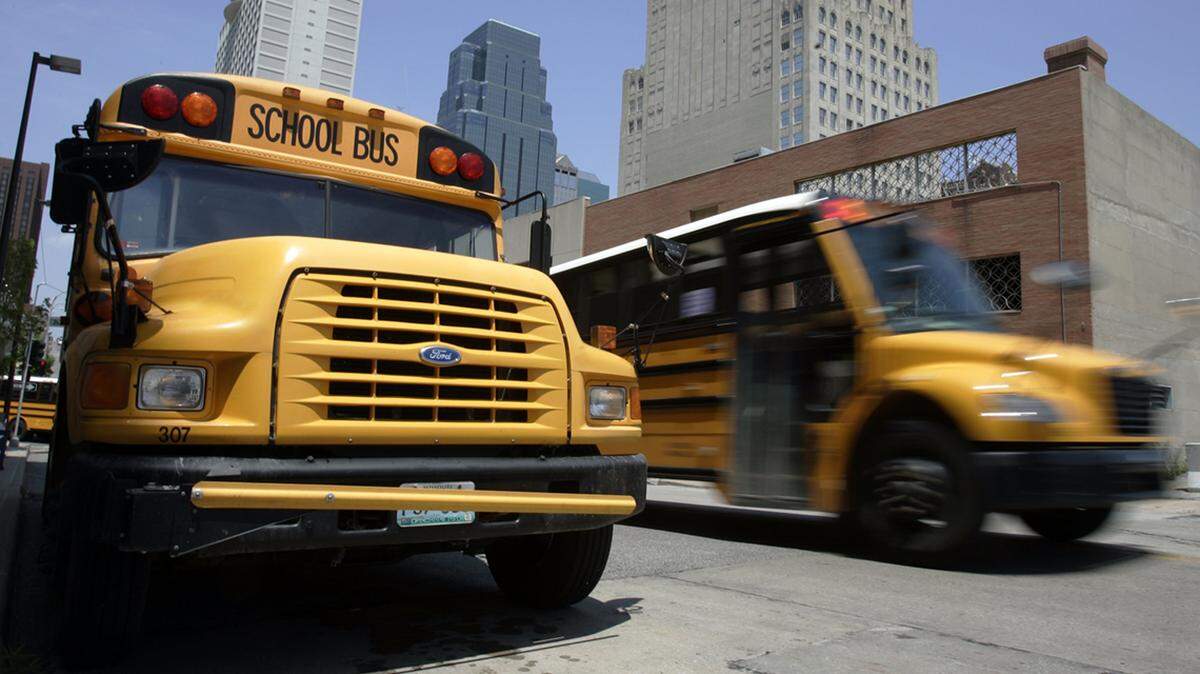
We’ve been hearing a lot about schools here and across the country struggling to put qualified teachers in classrooms. But less talked about is the shortage of school bus drivers — potentially as big a threat as any to public education.
Transportation is a backbone of public school. You’ve got to get children to school before you can teach. Addressing this problem needs to be a priority.
The problem is so serious for some districts that they are urging parents and other community members to get behind the wheel of the big yellow buses. No experience necessary.
Down 17% of its bus drivers, Park Hill School District in Platte County put more students on fewer buses. The district also called on staff, parents and members of the community to “step up and stand in” to get students to school and sporting events, said spokeswoman Kelly Wachel.
On its website, the district asks residents: “Can you help? Would you like to spend time driving our students and athletes to practices, games and events?”
The district has vowed to pay folks to learn to drive the vehicles. They’re also offering benefits for these part-time workers, boosting salaries and offering a $2,000 signing bonus to boot. Let’s hope that’s incentive enough.
“It’s not an easy job,” said Kenny Southwick, executive director of the Cooperating School Districts of Greater Kansas City.
Drivers shoulder a heavy responsibility. Just last week a bus carrying elementary students overturned on a curvy road and two children were injured.
The dearth of bus drivers is a national problem, corresponding with the worker shortage that worsened after the coronavirus pandemic shut down much of the economy. A sizable number of bus drivers didn’t return — instead finding other driving work as home delivery boomed and the e-commerce giant Amazon laid claim to drivers.
Not being able to get students to and from school daily could impact enrollment. Public schools have already seen enrollments drop as the school choice movement capitalized on conflicts over mask-wearing and remote learning during the pandemic.
Fewer students mean fewer dollars. Federal and state funding are contingent on the number of students enrolled.
The state is offering to help. For the first time in more than a decade, Missouri legislators this year approved a budget that included $214 million to fund the state’s share — 75 % — of school transportation costs. Local districts cover what’s left. But districts are leery about using what is likely a one-time infusion of cash for recurring expenses such as driver pay.
Students have already been through too many disruptions in recent years. Schools turning to their communities for a lifeline makes good sense. But districts must also make sure the drivers who answer the call are well trained both behind the wheel and in managing their precious cargo.