
After a coach is fired, a federal investigation targets Lawrence’s Haskell University
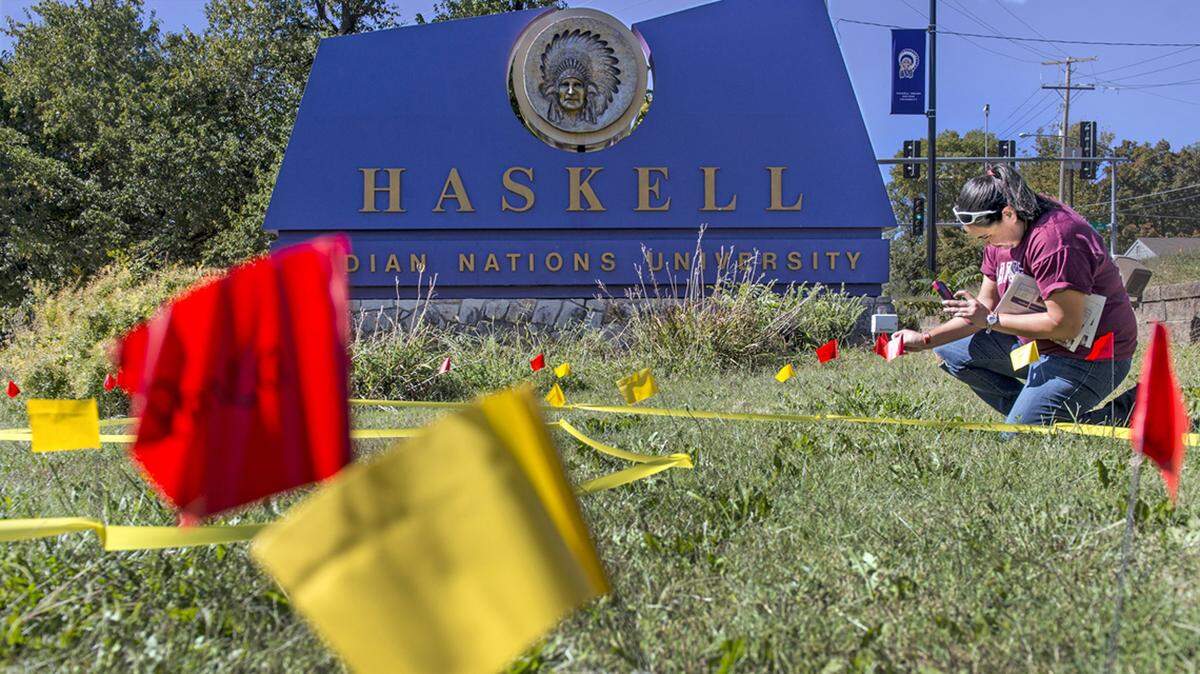
Another federal investigation is underway at Haskell Indian Nations University. This time, it involves the school’s cross country coach, Clay Mayes, his termination amid allegations of fraud, and countercomplaint of nepotism and making a false report.
The trouble is reminiscent of other turmoil that has plagued the university for more than a decade, giving the school a reputation for mismanagement and instability.
It would best serve the Native American students who attend this unique public university if the the Department of the Interior and the Bureau of Indian Affairs, which operates Haskell, would move quickly and ensure Haskell athletes have a coach who can focus on them and not have to worry about personality conflicts with administrators.
Haskell is the country’s only federally operated four-year institution solely for Native Americans. It has an enrollment of fewer than 1,000 students who represent 145 sovereign nations from 35 states. Tuition and fees are $480 a year. The school dates back to 1884, when it opened as a government boarding school as part of U.S. efforts to eliminate Native American culture.
Mayes told us that in November, a week after he reported to Haskell’s athletic director that a department employee was meeting privately with students, he was barred from communicating with Haskell athletes and potential student athletes. According to documents acquired by The Star Editorial Board, the school accused Mayes of fraud in March. He was told it was related to tampering with student grades. But Mayes said he does not have access to grades because he is not an instructor.
Mayes said the university froze his contract and stopped paying him for failure to do his job, which included communicating with his athletes, which he had been barred from doing.
Mayes came to Haskell last July from a head coach position at the University of Antelope Valley in Lancaster, California, with recommendations from former Haskell coaches. He immediately started building a competitive team of runners. The team hadn’t really been competitive in years, said legendary retired coach Jerry Tuckwin, who trained 30 All-American runners during his tenure with Haskell’s Fighting Indians in the 1980s and ‘90s.
Mayes has “had nothing but success wherever he’s gone,” Tuckwin said. “He has recruited good runners. Potential champions. Why would you bring in a coach and then not let him coach? I don’t understand it. It’s not only hurting the students, but it’s hurting the university.”
In a letter to the university president, members of the cross country team said they have “high expectations” for a successful 2022 season with Mayes as their coach. “We would not have followed Coach Clay to Haskell if we felt unsafe or uncomfortable at any point,” the letter said.
In a letter to the Bureau of Indian Education, which oversees all schools for Native American children, recent Haskell athletic department Gary Tanner retiree said Mayes has been the target of “bullying and intimidation,” because he was hired to replace a coach who is the brother of the school’s athletic director.
“Cross country is one of the more visible athletic programs in Indian Country across the nation, and could be a very good program if it had support and positive effort toward it and its coach,” Tanner said in his letter. He says he’s not the only person who believes “Clay Mayes deserves to be supported and backed by the university.”
Athletic Director Judith Gipp did not respond to calls. The BIE declined to discuss the investigation, saying in an email that ”the matter is still under review.”
Controversy over school newspaper
The university has developed a reputation for controversy and personality skirmishes that end up hurting students and school programs. Last year, the editor of Haskell’s student newspaper The Indian Leader — with representation from the Foundation for Individual Rights in Education — won a lawsuit filed against Haskell and its former president Ronald Graham for violating students’ First Amendment rights and retaliating against the paper’s editor, Jared Nally. Nally had objected to university efforts to stop student journalists from posing questions to university administrators.
Graham later also attempted to muzzle faculty. Two months later, Graham was fired after a year as president. Tamarah Pfeiffer was named acting president. Julia Good Fox is currently interim president, and did not respond to questions about Mayes’ termination.
The university has gone through a dozen different presidents, including acting and interim presidents, in 20 years. One president held the role for two years even though she was away from the school in Oklahoma. In her absence, U.S. Sen. Pat Roberts called on the Obama administration to investigate complaints of mishandled money, personnel issues, ethics violations, theft and discord throughout the campus.
This disruption of Haskell’s cross country team looks like another example of interpersonal conflict which has nothing to do with advancing student athleticism or academics — which is what the university and its leadership should be focused on.
Haskell is a special institution with a unique responsibility to Native American citizens. Let’s hope that the BIE can sort out the conflict and that students who came to Haskell for cross country and a college education are able to get the full experience. Because that’s what they deserve.