
Mayor Lucas’ plan to control KCPD spending has been a spectacular, dangerous disaster
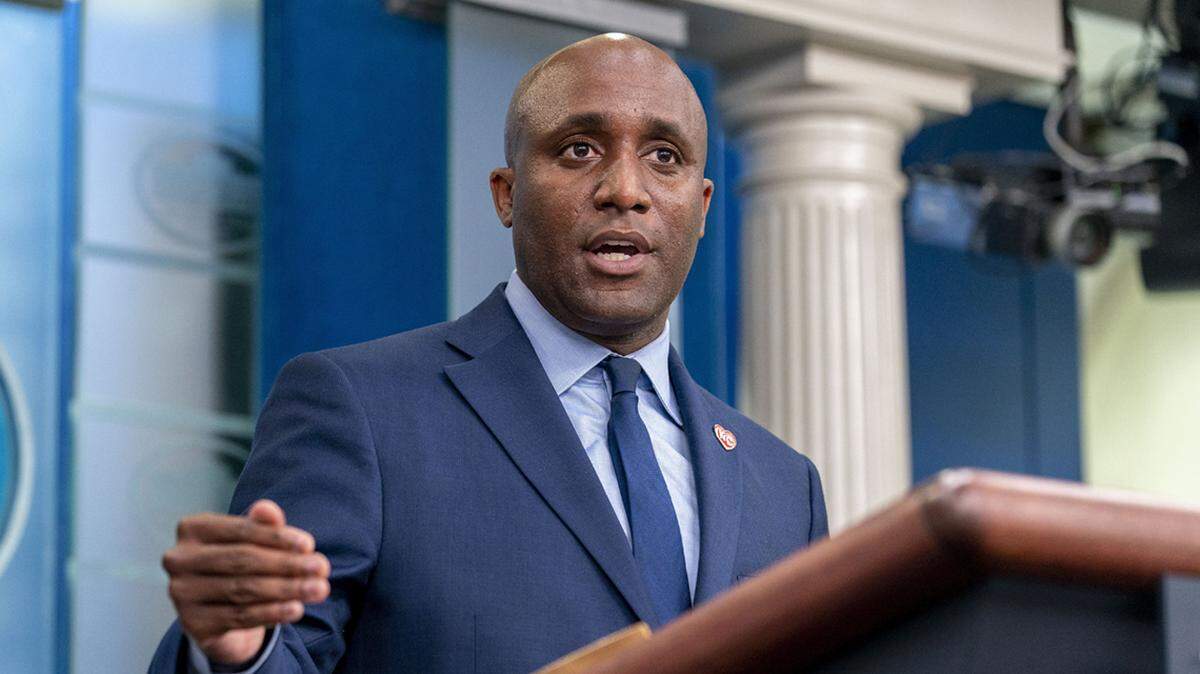
One year ago this week, Kansas City Mayor Quinton Lucas pushed through a plan designed to bring accountability and a measure of local control to the police department.
Lucas and eight City Council members agreed to divert $42.5 million from the department’s budget into a Community Services and Prevention Fund, designed to take a more global approach to the city’s violent crime problem.
“Doing the same thing we’ve been doing for generations — blank checks to the police department that get larger and larger each year without a prevention focus — has sadly not worked,” Lucas said a year ago.
We supported his idea then, and support it now. But there can be no mistake: Lucas’ 2021 gambit backfired, spectacularly, leaving Kansas City farther from supervision of the department than it has ever been.
It’s frustrating and tragic. Sadly, Lucas’ plan didn’t work. It made things worse.
Consider what happened in the twelve months after the Lucas ordinances passed:
▪ A Jackson County judge said the ordinances broke state law. Lucas, and the city, did not appeal the ruling.
▪ Given a chance to limit police spending in the 2022 budget, the City Council demurred. Instead, it endorsed a measure outlining “expectations” for the budget. We called it the old okey-doke.
▪ Police officers had earlier won the right to live outside the city, as long as they lived in Missouri. Naturally, the Fraternal Order of Police opposed even that requirement, and just as naturally, the police board agreed to lift it: Officers can now live in Kansas.
▪ The General Assembly was given a chance to reimpose the Missouri residency agreement. It declined to do so.
▪ On its final day, the state legislature passed a bill requiring Kansas City to spend 25% of its general revenue on police, up from the current 20%. The bill is blatantly unconstitutional, so lawmakers also agreed to put an amendment on the statewide ballot allowing the spending bump.
To summarize: One year after the Lucas police ordinances, police spending is at a record high; the City Council is still powerless to supervise that spending; officers can now live outside the state; and Kansas City’s right to self-government has been usurped by the state legislature.
The police board still has two members serving expired terms — both appointed by disgraced former Gov. Eric Greitens, who still has the city’s police in his icy grip. The board that will pick a new police chief.
It’s easy to blame right-wing colonialists such as state Sen. Tony Luetkemeyer of Parkville for some of this nonsense. But Kansas City-area Democrats in the legislature deserve some opprobrium, too: After the session, they claimed they stopped the worst excesses of Republicans, yet somehow the 25% bill survived.
Gov. Mike Parson — the guy who believes in local government — could still veto the measure. Try not to laugh.
The police department’s unique status as a state-controlled agency invites this criticism, and it is well-deserved. Yet Kansas City’s business and political community must share the blame, having botched local police control for half a century, leaving the city a helpless ward of the state.
Mayor Lucas is the latest example of failure. A year ago, we urged him to pursue an all-hands approach to resisting legislative meddling in the issue. Instead, the city was outmaneuvered by the FOP at every level.
We’ll know in a year if Lucas pays a political price for this self-imposed blunder.
The residents of this city pay the price in different ways, every day, enduring an unaccountable police force whose members can’t be required to live in the city or even the state they serve.
As of Monday, 59 people have been the victims of homicide in Kansas City this year. Of those, KCPD has cleared 21 — or 35%.
This story was originally published May 18, 2022 at 5:00 AM.