
Welcome to the Juneteenth party, Johnson County. Here’s how to make it really count
Next month, Johnson County will host Juneteenth in JoCo, the county’s first official commemoration of the end of slavery. Better late than never, we suppose.
African Americans have celebrated Juneteenth since the 1800s.
Other events are planned throughout the metropolitan area on both sides of the state line in recognition of the day in 1865 when federal troops arrived in Galveston, Texas, to deliver the news to enslaved people that they were free.
In June, thousands are expected to pour into the historic 18th & Vine Jazz District for Kansas City’s annual festival featuring music, food and more. A Miss Juneteenth KC will be crowned.
Juneteenth is a national holiday and deserves the same pomp, pageantry and reverence as Independence Day. Will residents of affluent Johnson County celebrate en masse? They should.
Festivities begin June 11 at the Johnson County Arts and Heritage Center in Overland Park. Planned events include jazz concerts, art exhibits, food from local Black-owned businesses and more.
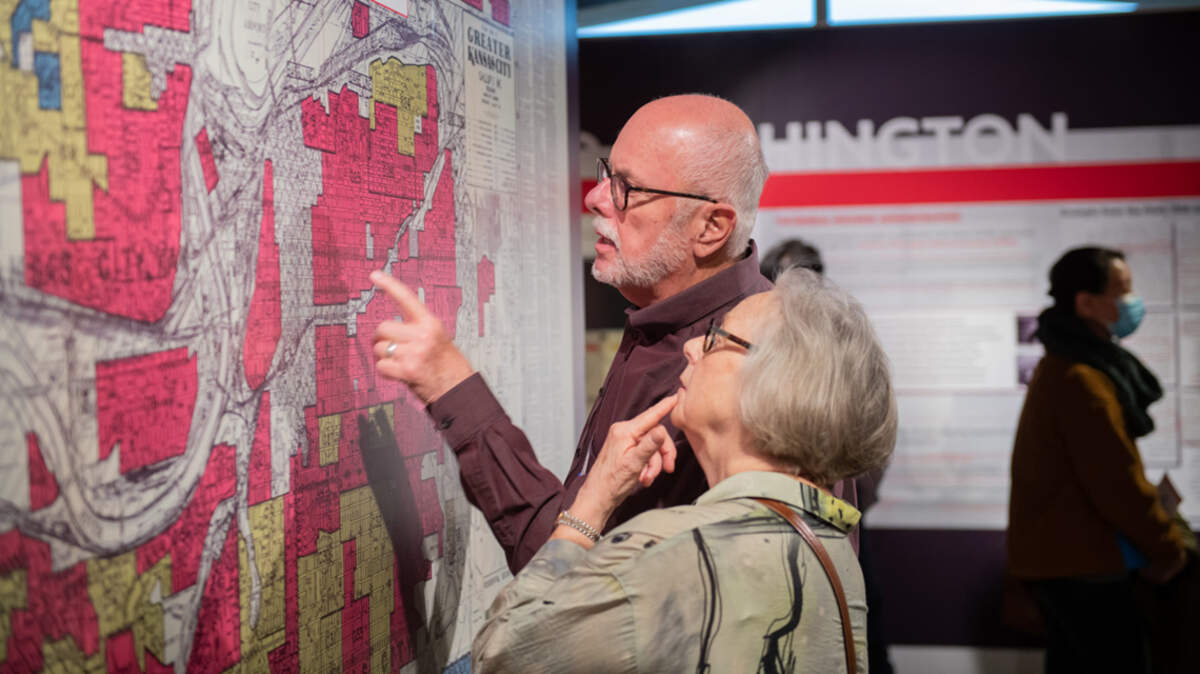
Attendees will be offered free admission to the Johnson County Museum’s exhibit, “Redlined: Cities, Suburbs and Segregation.” They should take advantage of it.
Redlining is the systematic disinvestment of some neighborhoods in favor of others on the basis of race, historians tell us. Those discriminatory policies kept Black families from accumulating generational wealth for decades, including home ownership. That discrepancy continues today, with Black families’ average net worth still just one-tenth that of white families’.
Kansas City’s J.C. Nichols is widely regarded as the architect of the restrictive housing covenants that forbade African Americans from owning property in large swaths of the metropolitan area, including — you guessed it — Johnson County.
“For many, the history of redlining itself will be shocking,” said Andrew Gustafson, the museum’s curator of interpretation. “Many people were not taught this history, and it is not widely understood how pervasive the system was, and in many ways, still is.”
The Kansas City area was profoundly shaped by redlining. The history of redlining is part of the Black experience — and the wider American experience, Gustafson said.
Juneteenth is a great time to learn more about this important history.
“While Juneteenth commemorates freedom following the Emancipation Proclamation and the Civil War, redlining and its legacies reveal the complex systems that were built up to undermine that equality,” Gustafson said.
“That the system persists after the civil rights era will be surprising to many, and is more evidence of how history touches us, shapes our society, and of the continual struggle forward toward that more perfect union,” he continued.
This will be the county’s first official Juneteenth, but it’s not the only one planned. A celebration — the third of its kind — will be put on by a collective of community groups June 18 at Prairiefire.
And the Advocacy and Awareness Group of Johnson County’s third peace and advocacy walk is the same day on the stage at Thompson Park at Valley View and Overland Park drives in Overland Park.
The next day, a county-sponsored community observance in the Johnson County Square at Santa Fe and Cherry streets in downtown Olathe will include speakers, historical readings and musical performers.
Last year, the Johnson County board of commissioners’ vote to recognize the holiday was unanimous. And rightfully so. The county is named after the Rev. Thomas Johnson, a slave owner and Southern sympathizer.
The more Johnson County moves away from the hateful reminders of its past and embraces cultural differences, the better. And this inaugural event is a crucial step forward to racial reconciliation.
It shouldn’t take yearly parades, concerts and exhibitions to highlight the significant impact African Americans have had on the region.
Thinking of celebrating Juneteenth in Kansas City or Johnson County? Why not both?