
Lying informants put too many people in prison. Missouri lawmakers, you can fix it
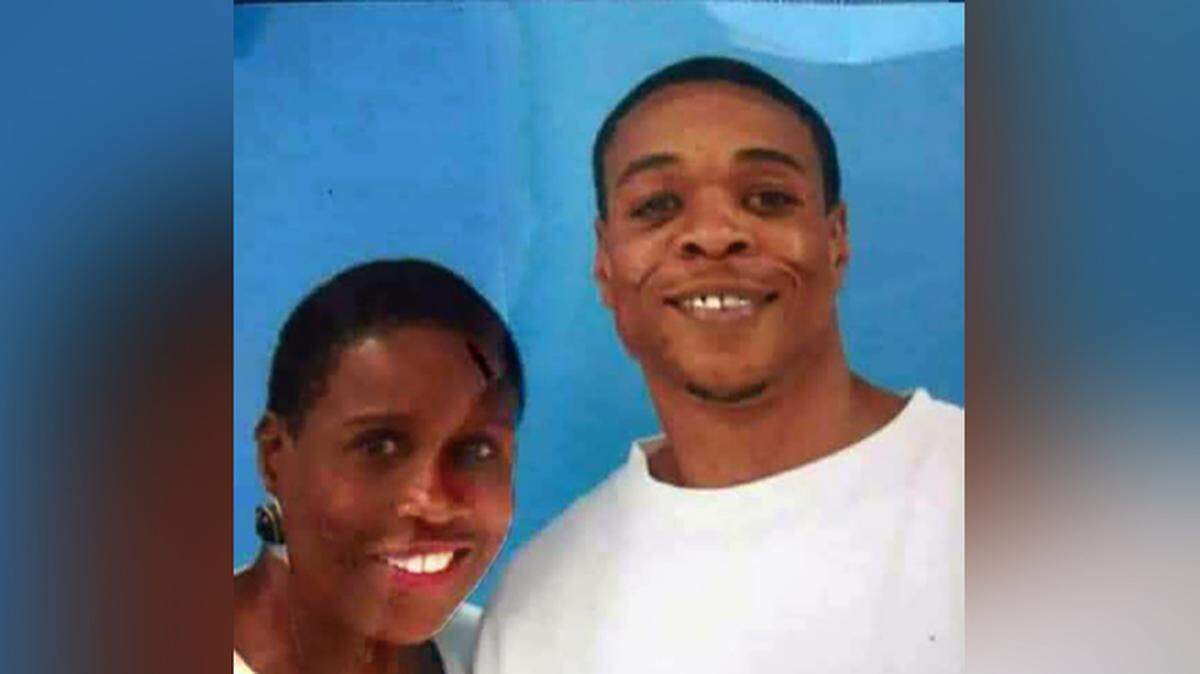
A secret government witness was used to help send Keith Carnes of Kansas City to prison for life for a murder he may have not committed. This week, the Missouri Supreme Court will hear oral arguments in the case to determine if Carnes is entitled to post-conviction relief.
Carnes was convicted of killing Larry White, a rival drug dealer, in 2003. Detectives with the Kansas City Police Department withheld key evidence from Carnes’ legal defense team, appellate attorneys for Carnes successfully argued. The secret agreement between police detectives and witness Wendy Lockett, among other legal issues, they said, required a new look at the facts of the case.
The failure by police to disclose Lockett was a police informant violated Carnes’ right to a fair trial, his attorneys argued during a evidentiary hearing last year in front of Special Master William Hickle. Several other witnesses who came forward to identify a different man as the shooter were deemed credible by the special master.
Lockett and another witness, Lorianne Morrow, lied under oath during Carnes’ jury trial in 2005, his attorneys contend. Lockett recanted her testimony that identified Carnes as a killer — and her initial statement to police did not name him, newly discovered evidence showed.
She switched her story again in the hearing before Hickle, and went back to calling Carnes the killer.
Carnes was railroaded by Kansas City police and Jackson County prosecutors, his supporters say. Given their reliance on Lockett, he does deserve a new trial. But as always, Missouri Attorney General Eric Schmitt’s office is determined to keep Carnes behind bars regardless.
Last year, Missouri lawmakers approved legislation that gives local prosecutors the ability to address a miscarriage of justice. Jackson County Prosecutor Jean Peters Baker used the new law to file a motion asking a judge to consider that Kevin Strickland was wrongfully imprisoned for 43 years for a triple murder he did not commit.
Legislation that would establish procedures to vet the integrity of informant testimony has stalled. Missouri House Bill 2523, or the Informant Reliability Act, would require prosecutors to disclose details of any deals reached with jailhouse snitches or police informants like Lockett, who had financial reasons to want to eliminate Carnes from the neighborhood drug trade.
We know that false testimony from informants is a major factor in wrongful convictions, and the Informant Reliability Act could help reduce the risk of sending more innocent people to prison. Why aren’t Missouri lawmakers interested?
This story was originally published March 29, 2022 at 5:00 AM.