
Johnson County home values are way up. Don’t soak homeowners with property taxes
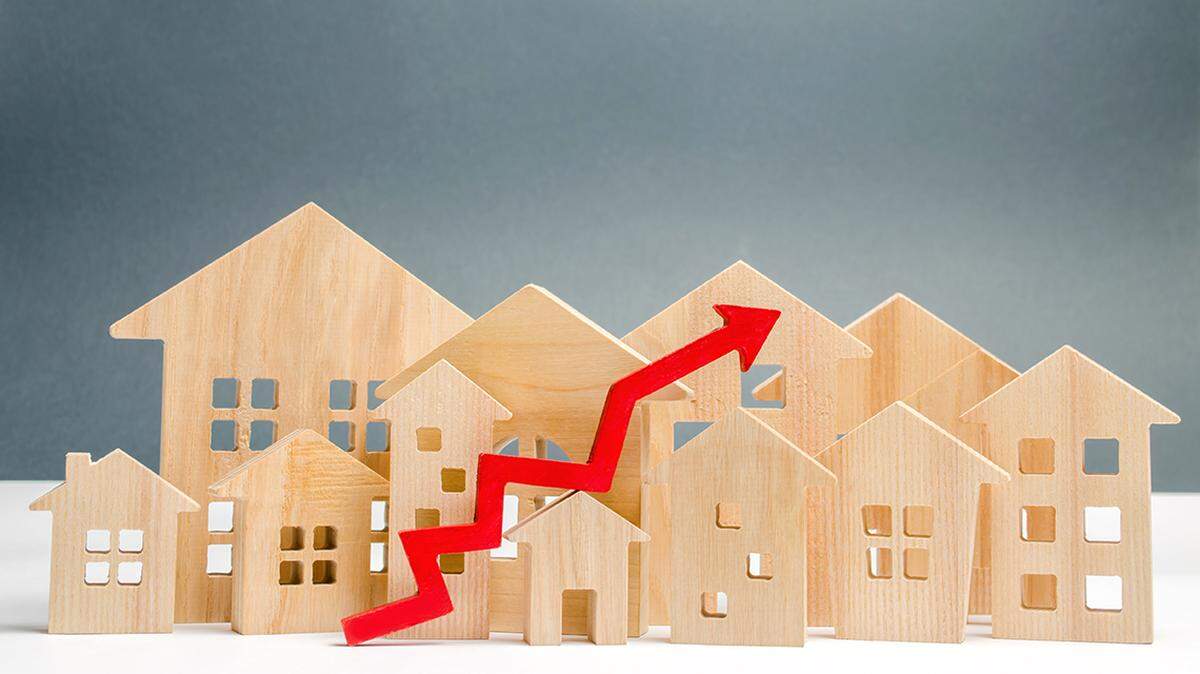
Appraisal notices have landed in Johnson County mailboxes in recent weeks, bringing with them a new kind of sticker shock.
Home values have risen dramatically. As you would expect, those increases are reflected in the new county appraisals, which show jumps of 20% or more for some homes.
A $250,000 home two years ago is now worth, in some cases, closer to $325,000.
More than 95% of Johnson County residences have grown in value, the county says. The average increase is 11%, although roughly half of homeowners are seeing jumps higher than that.
For many, these surging values will be good news. When your home’s value goes up, so does your net worth — and your sense of economic comfort. Many homeowners have taken advantage of higher values to refinance their mortgages or borrow money against their residences.
But higher home values are an enormous temptation, too. For public institutions — cities, the county, school districts — higher home values can lead to much higher revenue without raising taxes.
Politicians find this so enticing because it’s so hard to see. A city council or other taxing district can simply maintain its current levy and still receive, on average, an 11% bump in revenue. That’s roughly twice the rate of inflation.
That means homeowners, many on fixed incomes, could pay hundreds of dollars more each year in taxes simply because the estimated value of their homes has risen.
This puts homeowners in a fix: While their homes are worth more on paper, they don’t actually see the money unless they sell those homes. Higher property taxes, on the other hand, must be paid in real cash.
This reality must be recognized, and resisted. The explosion of property values should not provide huge revenue windfalls for cities and the county and other taxing jurisdictions. Instead, we urge public officials to roll back their levies to keep them in line with inflation, not exploding home values.
There are signs elected leaders understand this need. “I expect we will cut the levy,” said Roeland Park Mayor Mike Kelly, who is running to chair the Johnson County Commission.
“An appropriate mill levy reduction should not prevent the county from providing top-notch services,” he said.
Lenexa Mayor Mike Boehm said he anticipates a mill levy rollback, although he thinks his city’s overall spending blueprint will grow. “Like everyone else, we are impacted by inflation, a tight labor market, increases in fuel prices, etc.,” he said. “Holding the budget flat … would essentially be a budget cut.”
Overland Park Mayor Curt Skoog was more noncommittal, saying only that budget talks will begin in earnest later this year.
Johnson Countians fully understand the need to pay for safe streets, better sidewalks, good schools, quality swimming pools and parks, and well-trained staff to maintain these and other amenities. No one with any sense is suggesting a hard cap on city or county spending, or reductions in essential services.
But cities, the county and other jurisdictions should not jack up their budgets just because property values have bumped dramatically in a post-COVID world. Spending decisions must be reasonable and appropriate. In most cases, that means the mill levy will need to be rolled back to match inflation.
“We continue to experience a seller’s market in Johnson County, due to the low inventory,” Johnson County Appraiser Beau Boisvert said in a recent statement. The trend should continue for months to come.
That’s welcome news. Homeowners want their values to go up. But they don’t want to pay property taxes that are any higher than necessary, a fact political leadership in the county should remember.