
Are December dust storms, heat waves the new KC normal? Climate change denial is over
Spring-like temperatures and howling winds aren’t very December-like, are they? Let’s not complain too loudly: Generally, a late fall heat wave is easier to deal with than ice storms and blizzards.
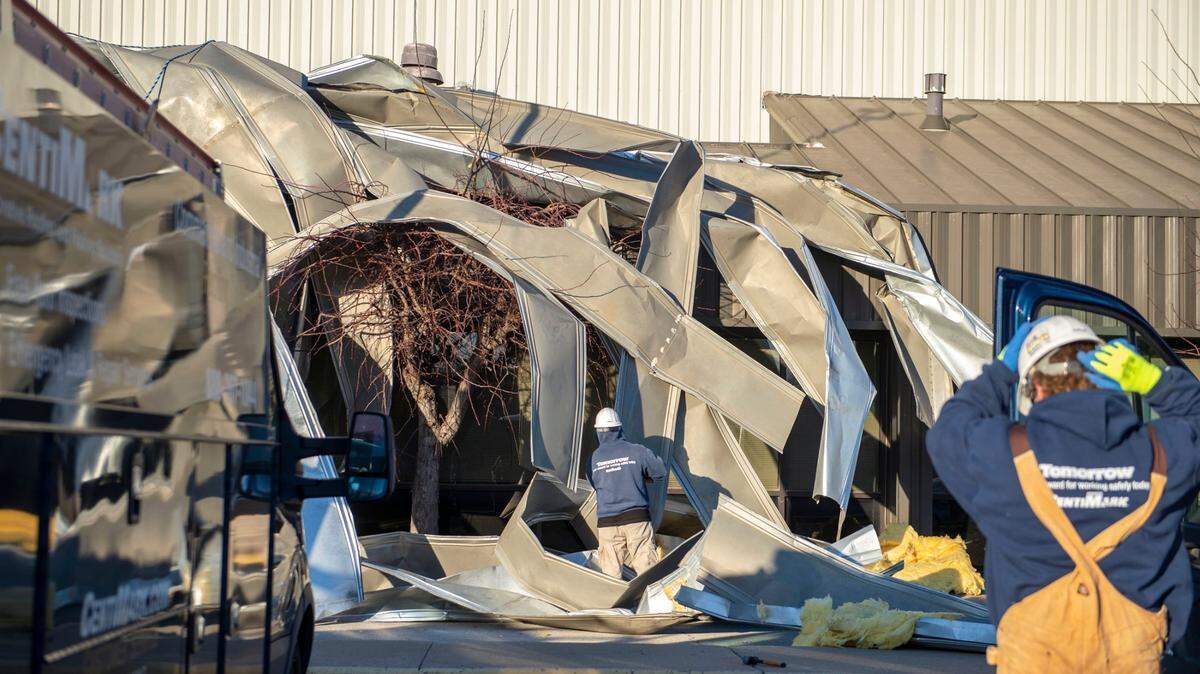
Much of Kansas spent Wednesday dodging the grit and sand kicked up by Dust Bowl-like conditions. High winds accelerated grass fires (did you smell the smoke?) and toppled trees. Rare tornadoes stayed to the north, but homes and businesses in our community were damaged by the springlike weather.
Some Kansas Citians — a precious few — got a couple of drops of needed rain.
No single weather event confirms climate change. But high temperatures and windstorms provide further confirmation that something important is happening to the planet, and we must be better prepared for it.
The last seven years will be the warmest on record, meteorologists say. The ice in Antarctica is melting, driven by warming seas at the South Pole. It reached 124 degrees in Portland Oregon in 2021. Afghanistan faces a crippling drought.
These aren’t alarmist observations, or guesses. They’re facts, no matter what a smattering of climate-change-skeptical former TV weathermen tells you. The temperature gauge doesn’t lie.
Does that mean the Kansas City region can or should ignore snowstorms and cold snaps? Of course not. Even small snow events can snarl traffic and frustrate residents, and must be addressed.
For now, winter remains a real thing. In fact, winter storms may be worse than normal. Sand and salt and snow plows won’t go away.
It does mean the region must redouble its efforts to understand and address climate warming. That means promoting and supporting mass transit. It means building more walkable neighborhoods, and planting lots of trees for shade.
It means understanding and appreciating the link between hot weather and violence. “Heat islands” are a real phenomenon, and Kansas City will need more cooling shelters, and a beefed-up Health Department, to respond to hotter weather.
We’ve said the region is doing a relatively good job of accepting climate change and doing more to address it. Sadly, that work must continue, at double or triple the current speed. A warming planet is a clear and present danger to all of us.
That warning was embedded in every dust storm Wednesday, or burning field, or broken tree, or damaged roof. Mitigating the effects of climate change remain a priority, but responding to the reality of extreme weather is at the top of the agenda now as well.
More must be done. Climate change is here.
This story was originally published December 15, 2021 at 11:07 AM.