
Baseball’s millionaire lockout squabbles send warning to taxpayers on new KC stadiums
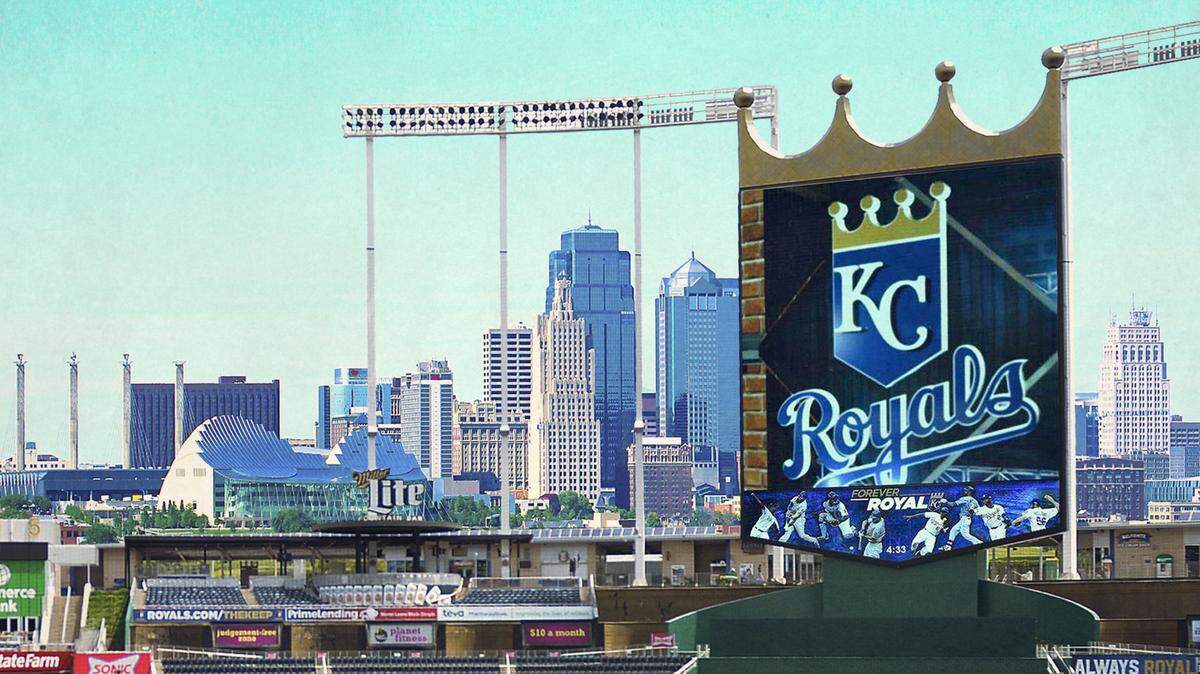
Major League Baseball’s billionaire owners have locked out their millionaire players, and winter’s news of trades, signings, releases and the like has ground to a halt.
The existing collective bargaining agreement between players and owners has expired.
For most Kansas Citians — even baseball fans — the lockout will be a yawner. Actual games are still some months away, and those aren’t at risk, not yet anyway. The teams and the players will haggle for several weeks, and they’ll reach an agreement, or they won’t. That’s when the lockout will matter.
But renewed labor unrest is a cautionary tale for Kansas Citians now forced to contemplate additional tax funding for a new stadium for the Royals, or a refurbished old one. We should all pay attention to the lockout on that basis, even those who never attend the games.
Baseball is drowning in money. A 37-year-old pitcher just signed a three-year contract for $130 million. Other free agents are signing for tens of millions of dollars. Other players are waiting until the lockout ends to negotiate their own multimillion-dollar deals.
We don’t begrudge these contracts. In the open market, anyone who works is free to negotiate the best possible employment agreement, and baseball players aren’t any different. No one is forcing owners to spend this money.
But owners who write big checks to players, or the players who cash them, should not cry poverty when the time comes to refurbish a ballpark, or build a new one. And they should not ask taxpayers to subsidize those salaries by committing to hundreds of millions of dollars for stadium construction.
There are troubling signs that the Royals’ consideration of a downtown baseball stadium is an accomplished fact, not a discussion item. Some Kansas City leaders see downtown baseball as a “when,” not an “if.” Taxpayer support for the project is assumed.
That would be a mistake.
Some public support for public amenities is acceptable, of course, and Jackson Countians in particular have long held up their end of the bargain. But talk of extending the existing sales tax for a new stadium, or raising the levy, should worry everyone.
Sales taxes hurt the poor. (While the state sales tax on food is reduced, local sales taxes on grocery items are still collected in full.) The Royals, and local officials, will have to make a compelling case that a financially struggling family should kick in a few bucks every month so wealthy ballplayers have a place to play, and wealthy ticket-buyers have a place to watch them.
Royals owner John Sherman has made important statements about the need for a new stadium to provide real benefits for disadvantaged communities. That isn’t only the right idea — it’s the right strategy. Convincing local voters to spend billions for stadiums won’t be easy. Those voters will want to see what they get from new or rebuilt ballparks.
(They’ll also notice the Kansas City Current will build its own soccer park on the river, without taxpayer help. Good on them.)
Local voters will be watching as owners and players negotiate a new contract, trying to understand where fans fit into the picture. We’ll know the answer by spring.
This story was originally published December 2, 2021 at 8:59 AM.