
Kansas City owes the police 20% of its general fund. Anything more must be negotiated
Kansas City Mayor Quinton Lucas and the City Council will have a once-in-a-generation chance over the next six months to change the way the police department is run.
They must take it.
If they fail to act, Kansas City will be less safe, the police department will have less supervision and oversight — and millions of dollars that might be spent on new approaches to violent crime will not be available. That will be tragic.
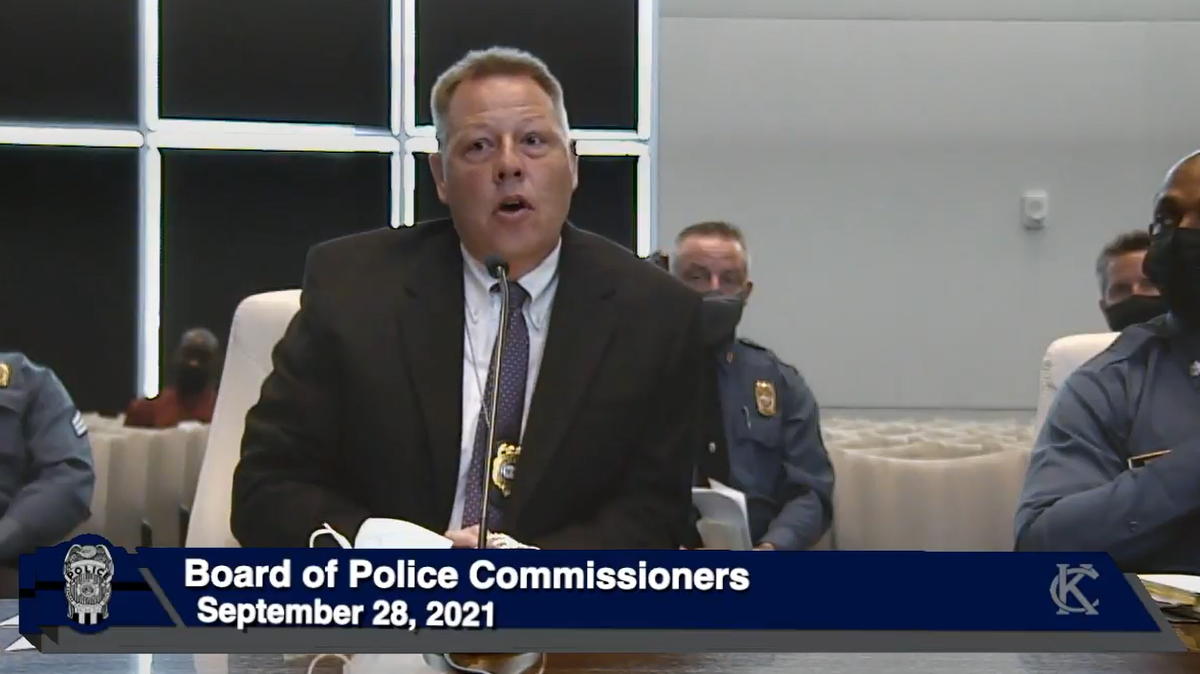
There are troubling signs Lucas and others are nearing that path. The tough rhetoric of last May has given way to beside-the-point discussions over helicopter parts and police electricity bills. That was apparent Wednesday when the Board of Police Commissioners met to discuss next year’s budget.
It’s time for the mayor to refocus the debate on who actually controls the police, and how.
Police Chief Rick Smith and his team’s proposed budget takes $232.4 million from the city’s general fund. It includes raises for police and new officer training.
But it’s also roughly $32 million more than is mandated by Missouri law, which requires the city to set aside just 20% of its general fund for police.
That law is clear and should be followed to the letter. The City Council must reject any police department spending above that 20% unless and until Smith and the police board agree in writing to the city’s performance standards and oversight. It’s just that simple.
That’s what Lucas and others tried to do last May, when they voted to direct $42 million in the police budget into alternative approaches to crime response and prevention. We supported that effort.
In a misguided ruling in early October, Jackson County Judge Patrick Campbell said the redirection was illegal. Crucially, though, Campbell did not say the City Council is powerless to adjust police spending; instead, he said the city gets just one chance a year to make any adjustments over the 20% threshold.
That chance comes in the next six months.
We’d hoped Mayor Lucas would make that point to his fellow police board members during an open budget discussion Wednesday. He did not. Instead, he emphasized the need to spend money on police salaries and filling vacant positions.
We agree with his view. But it misses the point: Raises and new hiring will be possible only if the city spends more than 20% of its general fund on police. And that should only be possible if the board and Smith sign agreements on policing objectives set by City Hall.
Mayor Lucas and other members of the council, and City Manager Brian Platt, should be using this time to discuss and draft such agreements. Once those deals are reached, the council can approve amounts above the 20% threshold.
Smith might reject any deals. That would be regrettable, but it would be clarifying: If police cuts are necessary, it would be Smith’s fault, not the city’s. He must decide if his current autonomy is more important to the city, and to him, than fully funding his department.
It’s just that simple. Smith is not entitled to whatever he wants. That’s how democracy works.
That’s the point we thought Lucas was trying to make last May. He should restate it now. If he doesn’t, Kansas Citians can conclude that his earlier crusade was a political mirage, and not serious.
The courts have drawn an unmistakable road map for elected officials to retake control of part of the police department — control that now rests in the hands of an unelected, unaccountable board. The mayor and City Council must follow that map.
If they don’t — if it’s business as usual — then any hope of significant police reform will vanish for another generation. The violence will continue, and Kansas Citians will continue to serve their police, rather than the other way around.
This story was originally published November 1, 2021 at 5:00 AM.
CORRECTION: This editorial originally used the wrong first name for Jackson County Judge Patrick Campbell.