
‘American Dirt’ author canceled at Rainy Day Books and beyond, and that’s beyond sad
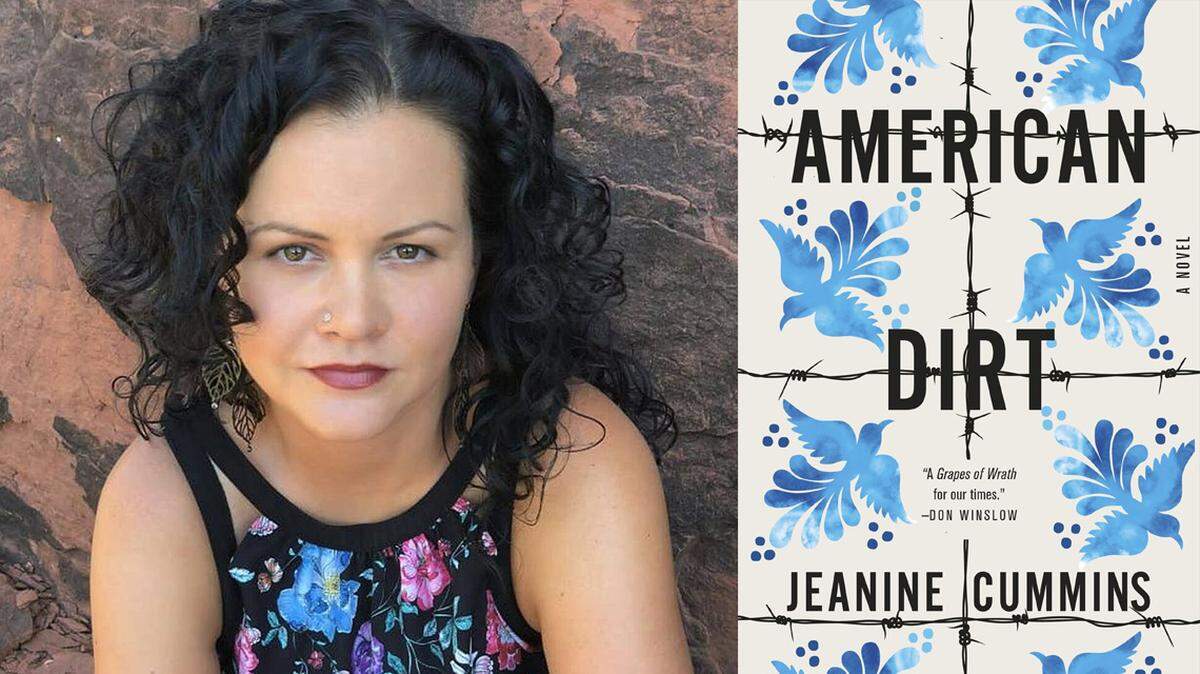
You may have heard that Jeanine Cummins, the author of the controversial and best-selling new novel “American Dirt,” will not be speaking at Rainy Day Books after all. In fact, the rest of her book tour has been canceled, along with Cummins herself. The tour is off because she and some of the bookstores where she was to appear have received threats.
We don’t know whether Rainy Day Books, in Fairway, Kansas, was threatened, too, because only owner Vivien Jennings could talk about it, a bookstore employee said, and Jennings is out of town and “unavailable.”
But that even those who pretend to love literature are now bullying booksellers — surely, real readers would not — is a depressing commentary on what passes for our national conversation.
Cummins’ book, which is about a Mexican woman and her son on the run from a violent drug lord, was initially exalted by big-deal writers of every background. Sandra Cisneros called it “the great novel of las Americas” and “the international story of our times.” Author Julia Alvarez blurbed it, too, along with Stephen King and Ann Patchett. Novelist Don Winslow called it a modern-day “Grapes of Wrath,” and Oprah Winfrey picked it for her book club.
Then some Mexican-American writers started calling out the book as a cliched collection of offensive stereotypes. What was Cummins, who has one Puerto Rican grandparent and calls herself white, doing telling the story of Mexican immigrants? And where were the million-dollar book advances for writers of color? In a piece headlined, “Pendeja, you ain’t Steinbeck,” writer Myriam Gurba called “American Dirt” an “obra de caca,” and “a book that sucks. Big Time.” Pretty soon, Cummins was being called to account on NPR, in tones usually reserved for Harvey Weinstein. Poor Salma Hayek confessed that she’d tweeted — and then deleted — about the book without actually reading the thing.
Naturally, because this is 2020, all of this denunciation was followed by physical intimidation — of Cummins and also of her critics.
Like Hayek, we can’t speak to the quality of the work, which Ron Charles of the Washington Post described as “just a melodramatic thriller tarted up with flowery ornaments and freighted with earnest political relevance.”
But here’s what Cummins does have in common with John Steinbeck: The author of “Grapes of Wrath” reported on people who’d lived through the Dust Bowl, but did not experience it himself. (And he was accused of a more literal kind of appropriation, allegedly drawing on the field notes of an Oklahoma woman who’d been working for the Farm Security Administration while writing her own novel, which his eclipsed.)
By all means, let’s call for more diversity in publishing, and call out work that doesn’t work. Famous writers might even consider reading a book before blurbing it. But instead of canceling Cummins, much less threatening her, just buy a better book.
The whole point of literature is to take us outside of ourselves. Shakespeare was never a king, Tolstoy was never a woman, and Austen never married. Asking writers to stick to their own experiences would be nothing less than the end of art.