
Kansans know who Greg Orman is. Now, he must tell them what he would do as governor
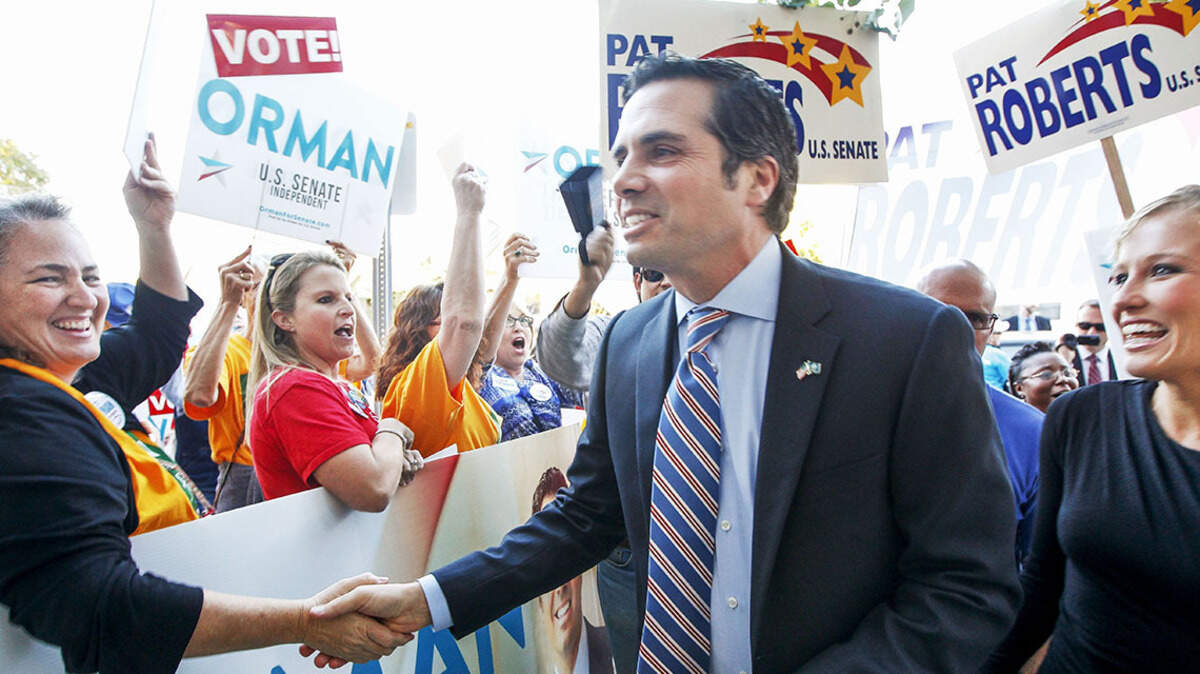
Greg Orman, who ran unsuccessfully for the U.S. Senate in 2014, submitted more than 10,000 signatures Monday to run for Kansas governor. Barring a major problem, those signatures should be enough to put Orman on the ballot.
The names will not be enough, however, to make him the next governor in Kansas. To make that happen, Orman must provide voters real answers to real questions about real issues, not vague promises and platitudes.
Kansans face the most important race for governor in at least a generation. The state’s next leader will have to decide if Kansas should revert to the disaster of the Sam Brownback years or build on the progress made in the last 18 months to return the state to sound financial footing.
Kansans simply can’t waste their votes to protest the two-party system or to send a muddy message to Topeka about “bipartisanship.” There is no place in this campaign for a spoiler.
That means Orman should not be allowed to fall back on a campaign that just attacks Republicans and Democrats. During the primary, one Orman commercial made just that argument and nothing more.
Instead, voters should ask Orman for detailed school funding and tax plans. He should tell voters if he’ll spend more money on the mental health system, or to pay prison guards, or to rebuild highways.
Are local property taxes too high? Orman must answer that question. Water, wind energy, economic development — all are issues all the candidates should discuss in depth.
And Orman should explain exactly how he will make Kansas a more open, transparent state.
To his credit, he has started to flesh out some of his policy positions on this issue. In July, he promised he would not sign any bill without the author’s name attached, bringing an end to anonymous legislation. He said he would work to add money for enforcement of the state’s Open Records Act.
He also proposed ethics reform legislation that would strengthen laws against revolving-door lobbying and would force disclosure of anonymous political contributions. Orman wants more open primaries in Kansas, another good idea. His November opponents will have to outline their own views on these issues.
Orman’s campaign promises other position papers in the weeks ahead. If they are specific — and if they truly offer new approaches to old problems — Kansans will welcome them.
What Kansans won’t accept are opaque commitments to “a better way” or a “third approach.” That’s also true for Rick Kloos, another independent candidate, and Libertarian Jeff Caldwell.
We’ll watch the campaign carefully, and judge all of the candidates’ views with an eye on what’s best for a state that has struggled for some time. When Nov. 6 draws near, we’ll write about the candidate we think will do the best job of governing the state.
Greg Orman will be on our list for consideration. Like all of the candidates, he’ll need to tell us what he wants to do, not just who he is.