
Vote yes for ‘Healthy Homes’ inspections in K.C., Question 1 on Aug. 7 ballot
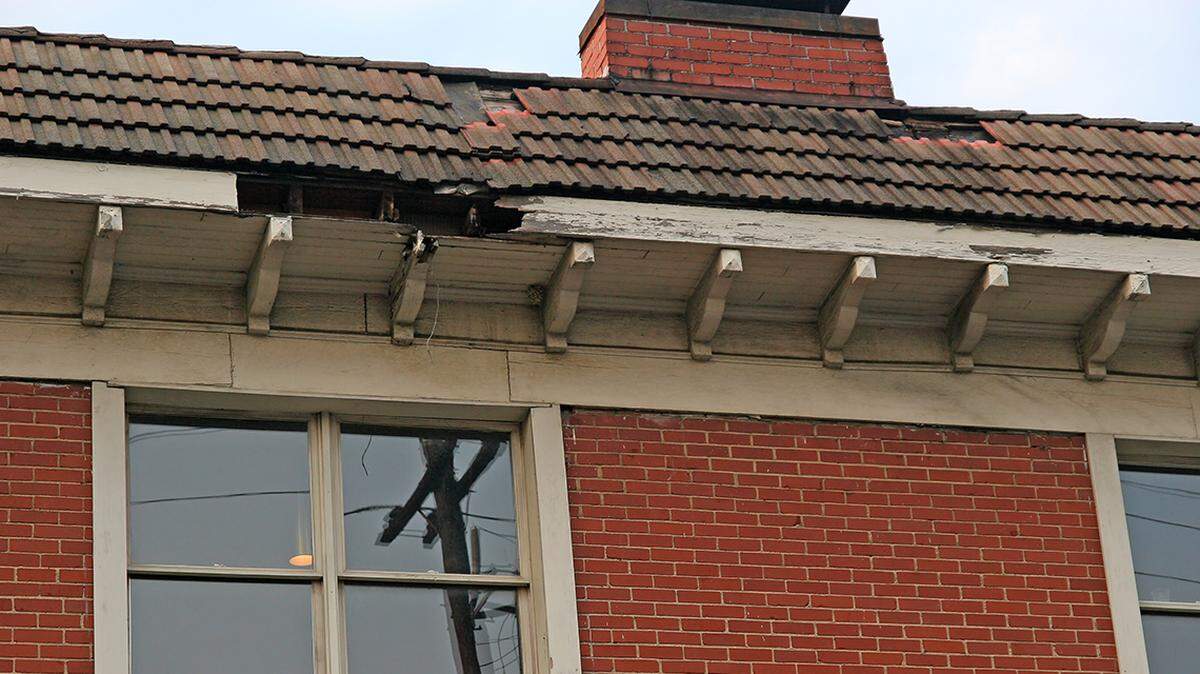
The best reasons to vote for the Healthy Homes initiative — Question 1 on Tuesday’s ballot in Kansas City — are right there in the pushback of those who oppose the effort to expand city inspections of rental units in Kansas City.
Some landlords say they’d sell and get out of the market altogether rather than pay the proposed $20 per unit to help fund city inspections for basic health and safety hazards. Then, they argue, there would be even less affordable housing in a city in which almost half of all residents are renters. In a letter to the editor published in The Star this week, Sam Alpert of the Heartland Apartment Association said the program would “worsen an already significant affordable housing crisis.”
We think it would have the opposite effect, preserving affordable housing that might otherwise have to be abandoned.
“Having a leaky roof is way better than having no roof,” Kim Tucker, executive director of the Mid-America Association of Real Estate Investors said in an email to The Star.
While we appreciate the candor, that sounds like something the landlord from hell would say.
Is $20 a unit really so onerous, or is it that the fear of accountability and potentially major repairs talking?
Though landlords say most owners keep their buildings in good shape, the threat of a mass exodus by landlords required to pay for and submit to inspections for black mold and roach infestations suggests otherwise.
So does the city data that shows more than 23,000 Kansas City tenants with one or more severe housing conditions like plumbing that doesn’t work or kitchens in which you can’t cook. In some neighborhoods, more than four in 10 renters say they have unresolved maintenance issues.
Wallace S. Hartsfield II, the pastor of Metropolitan Missionary Baptist Church, said his members, including one elderly woman with a gaping hole in her roof, often come in asking if someone at the church can try to get a landlord to call them back. “Poor people tend not to have a voice, and they don’t get a response.” Without a program like Healthy Homes, “you can allow homes to be in any condition. Landlords know that and exploit that.”
Healthy Homes would bring in about $1.8 million a year. The Health Department would use that money to hire about a dozen inspectors to go inside the city’s some 109,000 rental units. Currently, the city’s inspectors generally look on the outside only for code violations, and even in that role they are underfunded and overwhelmed.
Some of the Healthy Homes inspections would be random, and anyone could report an issue. Landlords who don’t address serious problems would be ticketed.
There are more than 60 such programs around the country, some in existence for decades, and they have not driven rents up or caused landlords to flee en masse.
Kansas City residents deserve such a program, too. Substandard housing affects not just renters, but the city as a whole, and while this program is only a step in the right direction, it’s a small but crucial safeguard against the kind of unsafe living situations that impact the health, stability and educational outcomes of residents.
Kudos to Mayor Pro Tem Scott Wagner, who is running for mayor, for proposing the Healthy Homes program a year ago. Real estate interests objected, and the idea never made it out of the City Council’s housing committee. Now, voters will have a chance to decide in Tuesday’s election.