
Bird electric scooters might be a cool ride in KC, but they need to play by the rules
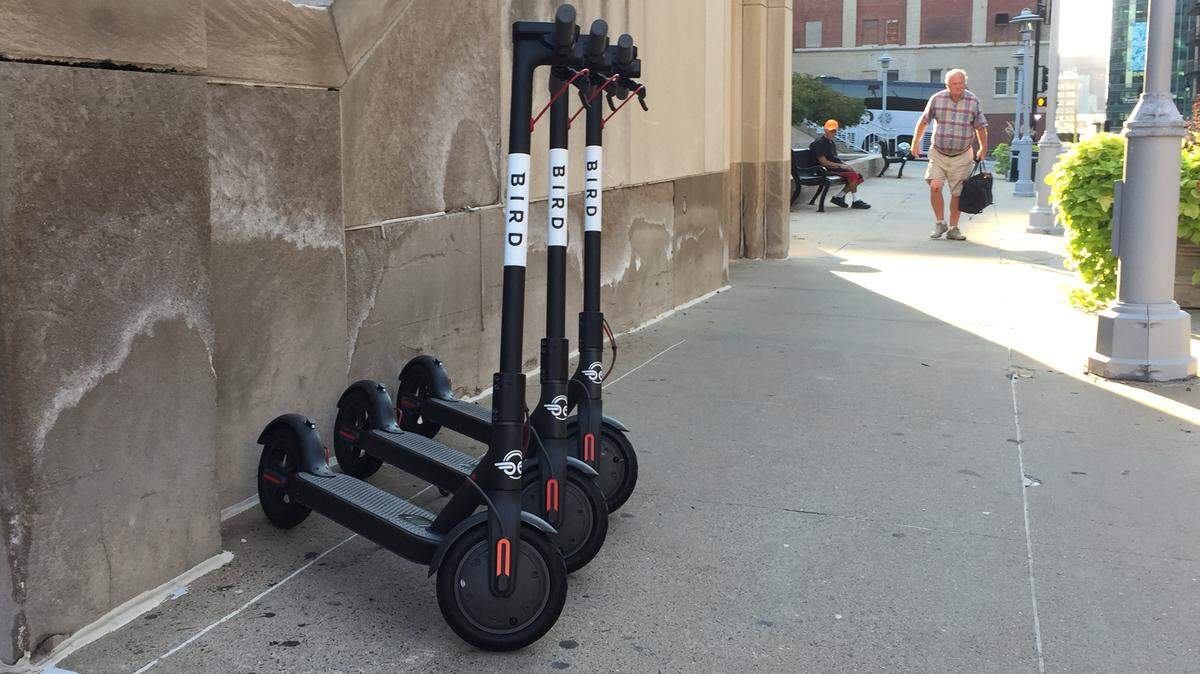
Is Kansas City ready for an Uber-like network of motorized scooters? Turns out one is already here. It’s just that almost nobody knew it was coming.
Last week, Los Angeles start-up Bird Rides, Inc. quietly dropped about 100 of its battery-powered two-wheelers onto city streets. Fire up the company’s smartphone app to pinpoint the scooter closest to you. Hop on, dart to your destination, then simply abandon the Bird for the next rider. People called “chargers” — first recruited locally only the evening before launch — collect the devices and refill their batteries overnight.
Bird has sprung its service on at least 21 other unsuspecting cities since 2017. But it hasn’t always found smooth scooting.
It took just a month for Birds to disappear (temporarily, perhaps) from Salt Lake City after officials balked. Denver and San Francisco have outright banned them until terms can be worked out. Milwaukee sued over the scooter surprise earlier this month.
It seems the company’s unspoken strategy is to force municipalities’ hands in adopting a millennial-friendly solution to the dilemma that bedevils many transportation systems: How can commuters quickly traverse the last several blocks of their trip, say from bus stop to final destination? BikeWalkKC’s BCycle short-term bike rental service is a stab at that problem, but people still need to get to one of about 40 stations scattered around the city before they can ride. It’s not hard to see the appeal of scooters that could be ready to go right at any doorstep.
Might Kansas Citians embrace Birds? Perhaps. But recall the much-ballyhooed launch of the Segway — teased as “It” and “Ginger” back in 2001. No less a futurist than Steve Jobs predicted that planners would “architect cities around it. It’ll just happen.”
Jobs’ crystal ball didn’t foresee the problems that arise when motorized conveyances have to share urban spaces. Personal transports are an uneasy mix with pedestrians. That’s part of why the Segway mostly remains a novelty.
Transit systems work when they grow organically with a city. The L train wouldn’t be part of Chicago’s fabric today if it had been dropped in place as a fait accompli.
City Councilman Jermaine Reed, who chairs the Transportation and Infrastructure Committee, said a Bird representative reached out to let him know the company was likely on its way about a week ahead. Reed also stressed that the city isn’t necessarily opposed to the idea of the scooters.
“We are a 21st-century city, and we want to stay on the cutting edge,” he said. “Hopefully, we could serve as a model for other cities going forward.”
Sure, Bird would have dealt with some red tape if it had toed the line. But the process exists for a reason. Putting scooters on streets may look like no big deal, but what if developers of the new downtown convention hall hotel had just decided to break ground first and negotiate terms later?
All prospective business operators need to start at the same place — filing a Form RD-100 for a business license as a minimum first step. Bird should pull back and play by the rules set for everyone.
This story was originally published July 16, 2018 at 5:30 AM.