
Missouri let Worlds of Fun off easy on toxic water pollution
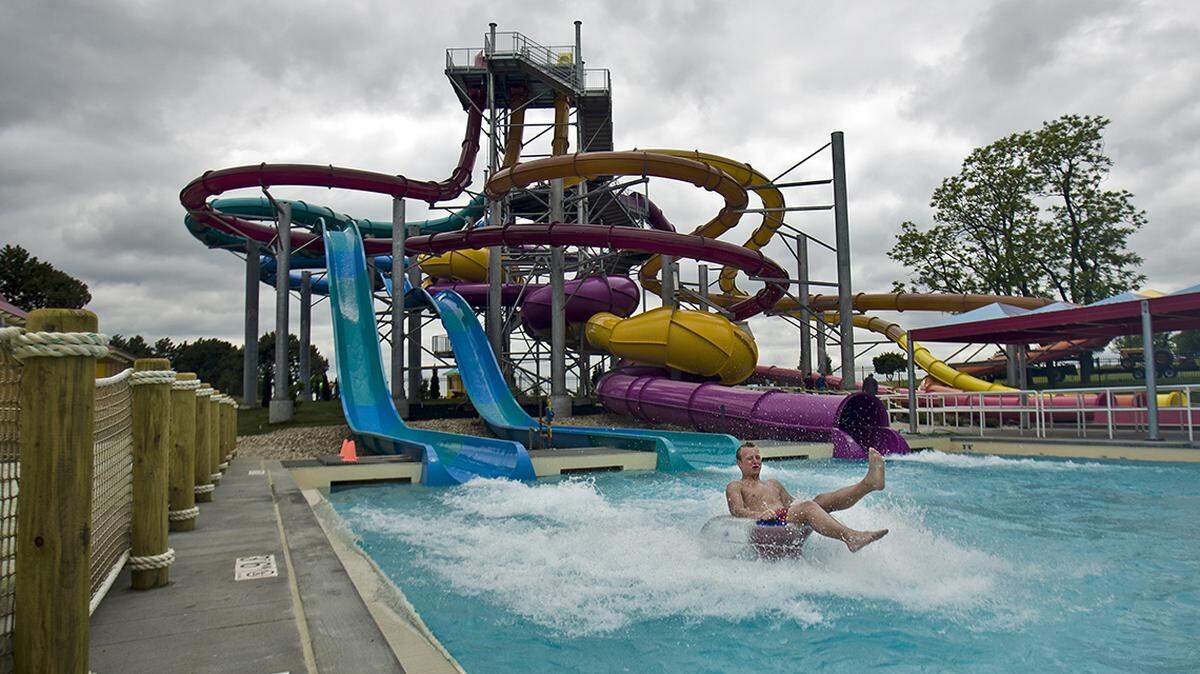
Did the state of Missouri improperly relax its oversight of water pollution standards at Worlds of Fun?
That's the uneasy conclusion Missourians no doubt will reach after careful study of the record at the park, first revealed by The Star over the weekend.
In November 2015, the Missouri Coalition for the Environment sued Worlds of Fun and its parent company in federal court for alleged violations of the Clean Water Act. The group claimed "ongoing, repeated, and unlawful discharges of toxic water pollutants into waters of the United States, including the Missouri River, Shoal Creek, and various tributaries."
The pollutants? Chlorine, copper, suspended solids, oil and grease. The park's state-issued permit set limits for those contaminants, and the park failed to meet them, according to the lawsuit.
Worlds of Fun never admitted to any violations of the Clean Water Act. Nevertheless, in November 2016 — just a few days after the state's voters elected Eric Greitens governor — the lawsuit was settled.
Worlds of Fun agreed to pay $100,000 to two environmental groups primarily focused on pollution problems in Shoal Creek. The park also agreed to pay $90,000 in attorneys' fees to the plaintiffs in the case.
Additionally, the park said it would develop plans to improve its stormwater runoff system in order to comply with the standards then in place.
So imagine the surprise this year when the Missouri Department of Natural Resources issued a new permit for Worlds of Fun that sets new, higher limits for pollution discharges. The department now says the original permit was too stringent.
That decision is troubling to say the least. Any decision that allows a company to pour more contaminants into creeks and rivers threatens the health and safety of water users downstream.
But it's especially concerning here, where the record suggests Worlds of Fun continued to send excessive pollutants into the watershed in 2017, after the settlement was reached. The park also missed reporting deadlines this year, The Star found.
Missouri's Department of Natural Resources (DNR) should be making it harder — not easier — for the park or any industry to pollute creeks and rivers.
Its officials claim inadequate resources to monitor compliance. But the real motivation may be the department's revised mission statement, which calls for "promoting the environmentally sound operations of businesses, agriculture and industry."
Larry O'Donnell, president of the Little Blue River Watershed Coalition, was clear. "DNR is not servicing the people of Missouri; it's servicing industry," he said.
There is no evidence that the runoff problems are a danger inside the park. But water quality regulations are put in place for a reason, and the Department of Natural Resources is responsible for enforcing them.
The agency should do its job.
This story was originally published July 9, 2018 at 4:01 PM.