
We who have lost loved ones to drunk driving are telling you: Don’t.
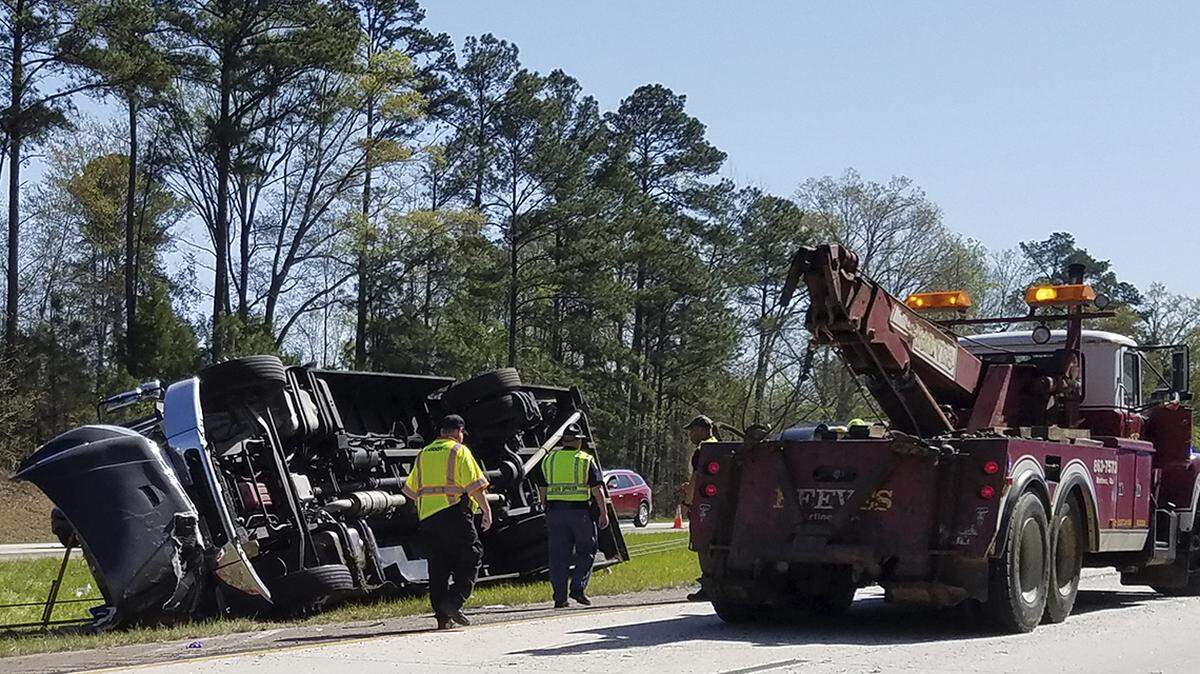
Samantha Jones reportedly admitted to Platte County investigators that she’d had a lot to drink — somewhere between a bottle and a half and two bottles of wine — before running her minivan off the road and crashing it into a utility pole on June 24. Her blood alcohol level, more than twice the legal limit, told the same story, according to court records. Now Jones, a 31-year-old from Smithville, is looking at 15 years in prison on a DWI charge.
Everyone who’s been following this awful story knows that’s the least of it, and that no sentence could be harsher than the loss Jones has already suffered.
“My baby is my world,” she said at the scene of the accident. “I just want my baby to be OK.” Her only child, 5-year-old Macklyn Lucas, suffered a head injury, was airlifted to Children’s Mercy and died three days later.
Even the death of someone so young and well loved, just days before one of the most lethal holidays of the year for drunk drivers and their victims, will not keep the roads safe.
Mothers Against Drunk Driving says two out of three Americans will be involved in a drunk-driving crash at some point in their lives. Of the seven of us on The Star’s editorial board, three have lost a total of five loved ones — a brother, an ex, two close friends and a next-door neighbor — in fatal accidents caused by alcohol.
Yet as of this month, 66 Missouri law enforcement agencies, including the Kansas City Police Department, have been stripped of funding for sobriety checkpoints.
The Missouri House redistributed $19 million in federal funds from a program that both police and anti-drunk driving advocates say is a real deterrent, to unannounced saturation patrols in specific areas.
Those may net more arrests, but because they’re not announced in advance, they don’t strike the same fear in drivers. And yes, sometimes fear is a good thing.
Meghan Carter, MADD’s state director in Missouri, has lamented that “a tool that’s saving lives is being taken away from law enforcement. … This is a tool that is proven to save lives.”
We need both the checkpoints and saturation patrols to combat a problem that still results in more than 10,000 deaths a year in the U.S.
But only you, of course, can take charge of your own safety behind the wheel. And if you’re going to be drinking over the holiday, or any other day, do yourself and all of us the favor of letting someone sober do the driving.
This story was originally published July 3, 2018 at 5:30 AM.