
Conflict of interest, anyone? Engineer shouldn't profit from her spot on city committee
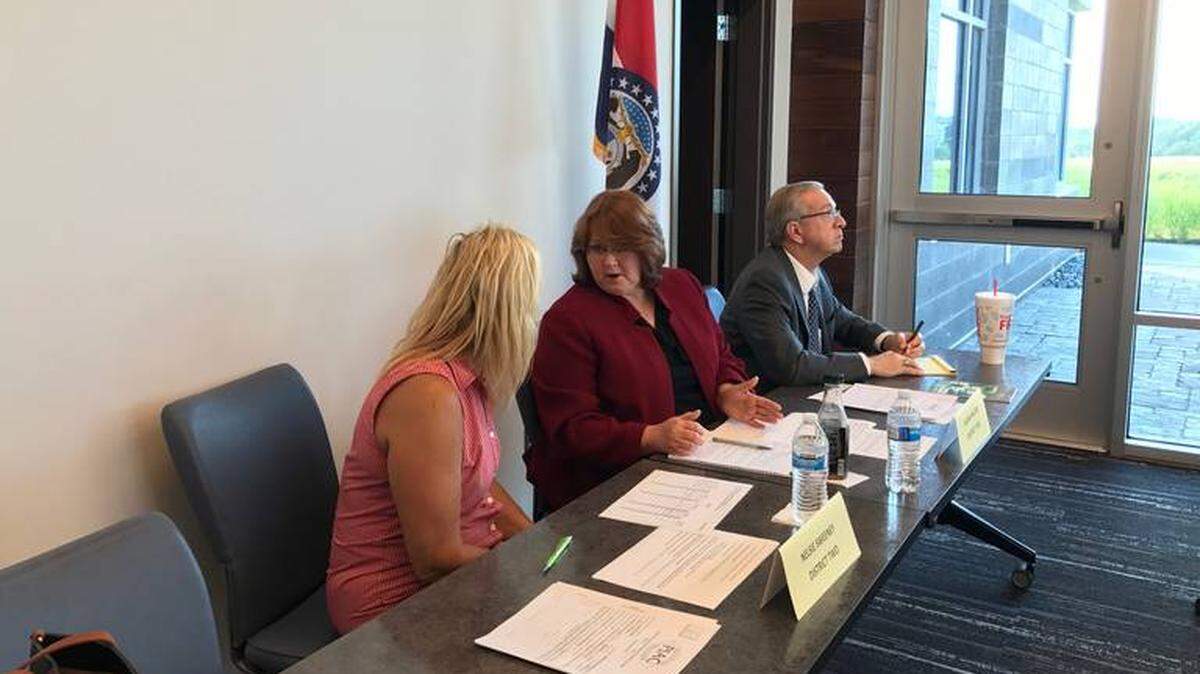
Valerie McCaw’s attempt to balance her role on the city’s Public Improvements Advisory Committee with the needs of her private company has not been successful. And the city should take steps to address what is a clear conflict of interest.
McCaw, a civil engineer, has profited from city projects after helping to vet them for the advisory committee that makes recommendations to the City Council. It's an untenable arrangement that should have raised red flags from the start.
The city's internal auditor has belatedly advised McCaw not to sign off on any additional transfer of funds memos indirectly or directly involving her engineering business and city projects. But that guidance should have come before she ever joined Public Improvements Advisory Committee (PIAC).
McCaw is the founder and owner of VSM Engineering. And since 2011, VSM has earned more than $1 million as a subcontractor for city projects. Although most of McCaw’s city work is not funded with PIAC money, this amounts to an uncomfortable arrangement that should not continue.
Councilman Dan Fowler appointed to McCaw to the advisory committee in 2015, and since then, she has signed off on funding recommendations for projects involving her own firm. McCaw said she takes ethical issues seriously, but her company's entanglements with the city and McCaw's own missteps only reinforce that these dual roles are not compatible.
One City Council member described McCaw's situation as delicate. We call it unacceptable.
“I don’t think she would mean to do something wrong,” said City Council member Teresa Loar. “But it’s a real tap dance.”
City officials need to alleviate any hint of a conflict of interest. There are plenty of qualified engineers in the area who don’t conduct business with the city. Officials should seek them out to serve on PIAC.
According to the city code, appointees to boards and commissions are required to recuse themselves from any matter that has or will result in economic gain. Twice since 2016, McCaw has signed off on agreements that benefited her company.
While McCaw called the signings inadvertent, she is “putting money into an industry she works directly for,” said Nelsie Sweeney, a 19-year veteran of PIAC.
Committee members cannot afford to make mistakes when taxpayer dollars are involved — especially when those decisions happen to affect their own bottom line.
McCaw said she has never leveraged her position on PIAC to gain other work. But how can we trust that assertion?
The city's internal auditor told McCaw not to sign funding transfers that involved projects she was paid on, but no additional action was recommended.
While the internal auditor's determination leaves something to be desired, the committee’s own protocols are also troubling. The 13-member panel does much of its work without keeping a public record, so there is little evidence of McCaw’s recusals for conflicts of interest.
Without minutes from PIAC's meetings, the public is left to wonder what other conflicts or breaches of ethics might have gone unreported.
McCaw's situation also highlights the need for a robust city ethics commission, a seven-person panel that renders advisory opinions and conducts investigations involving city employees, elected officials and members of boards and commissions.
The ethics commission meets quarterly and last convened in May, according to a city spokesperson. When the commission meets later this month, members are not expected to take up the issue involving McCaw and PIAC.
McCaw's situation should spur a range of changes aimed at improving transparency, eliminating conflicts of interest and strengthening the city's ethics policies.
Any appearance of impropriety when dealing with public dollars deserves extra scrutiny. And adding an extra level of transparency to make sure everything is above board wouldn’t hurt.
This story was originally published July 2, 2018 at 7:21 PM.