
Kansas is wrecking visionary endowment designed to help young children
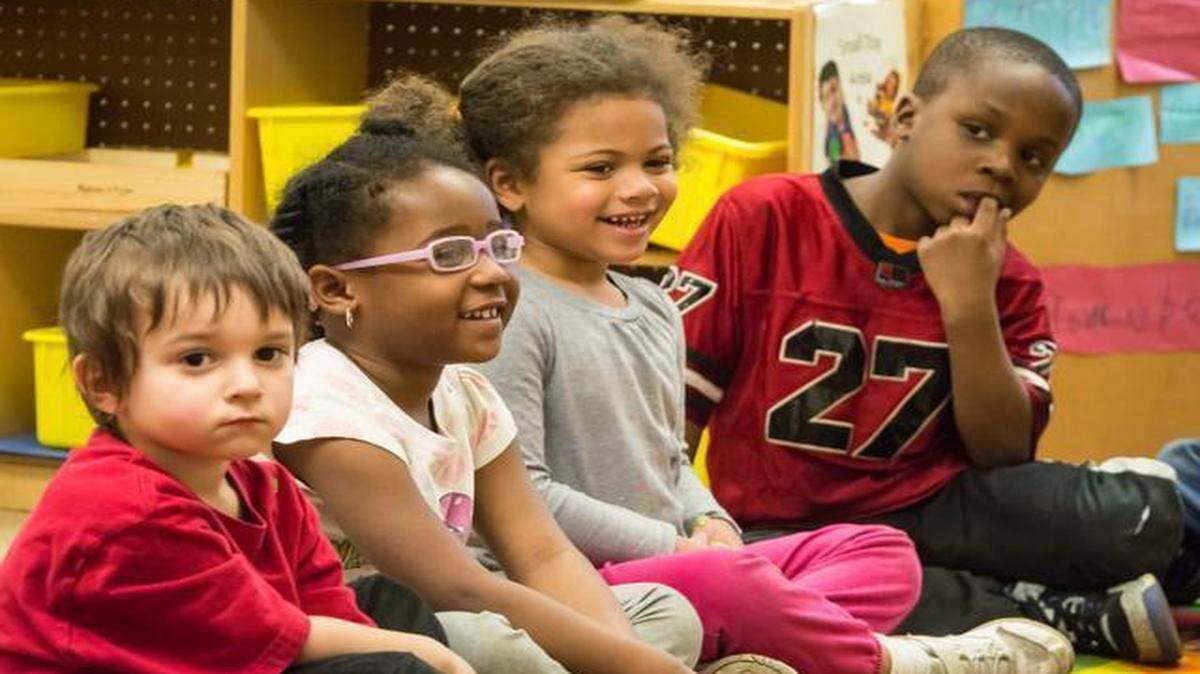
The Kansas City, Kan., School District serves many children who don’t receive a rich sampling of vocabulary at home.
So when a 4-year-old at the district’s Earl Watson Jr. Early Childhood Center says, “I want two apple slices,” classroom assistant Renee Fensholt is sincere when she responds, “I love how you’re using those long sentences.”
If the young pupil can master a broad spectrum of words along with basic counting skills and sentence structure before entering kindergarten, his prospects for success in school will be greatly enhanced.
Like most school districts, Kansas City, Kan., wants to get as many children as possible into preschool classrooms.
But in cash-starved Kansas, that’s increasingly a challenge. Instead of expanding early childhood programs, Kansas is raiding funds set aside for children in order to keep the lights on.
Kansas wasn’t always like this. Leaders in the 1990s cared enough about children to devise a permanent source of funding to invest in their health and education.
The plan was written into state statute: Money received from an ongoing settlement with tobacco companies would create an endowment to fund programs that deliver measurable results. Each year money would be transferred from the endowment into the Children’s Initiatives Fund for dispersal to school districts and non-profit partners. A Children’s Cabinet was created to monitor and evaluate how the funds are being used.
But legislators and governors have misused the endowment almost since its creation in 2000. They swept money out of it to cover other expenses during recessions and they used it to finance programs, like Parents as Teachers, that previously had been the responsibility of the state general fund.
Just this week, budget negotiators for the House and Senate agreed to take $17.3 million out of the endowment over the next two fiscal years. A trust fund that would contain more than $200 million if it had been left alone to grow and earn interest now has less than $3 million as it awaits the next tobacco payment.
Gone are visions of using the endowment to encourage new initiatives. Providers now count it as a victory if they can hold on to the funding they have. The fear, of course, is that the money will run out altogether.
That would be a tragedy. Money from the Children’s Initiatives Fund helps children with special needs, keeps families together and reduces child abuse, among other things. It pays for children to attend preschool and helps train the people who will be working with them.
A collapse of the Kansas endowment program wouldn’t spell the end of early childhood education in Kansas City, Kan. The school district receives federal Head Start funds to serve children who qualify under income guidelines.
But cuts in state funding force the school district to offer fewer high-quality preschool seats to working families.
“Our belief is we want to serve as many children as we can,” said Kim Shaw, who oversees early childhood programs.
As we said in a recent editorial, the Kansas City region must find ways to make universal early childhood education not just a belief, but a reality.
In Kansas, that starts with convincing lawmakers that it is shortsighted and wrong to decimate a visionary plan that was conceived to put the state in the forefront of early childhood education, not light years behind.
This story was originally published March 19, 2015 at 6:08 PM.