
Police diversity deficit in Missouri must be corrected to gain community trust
The lack of racial and ethnic diversity in urban area police departments in Missouri is an old concern receiving new attention after the Aug. 9 shooting death of Michael Brown in Ferguson, Mo.
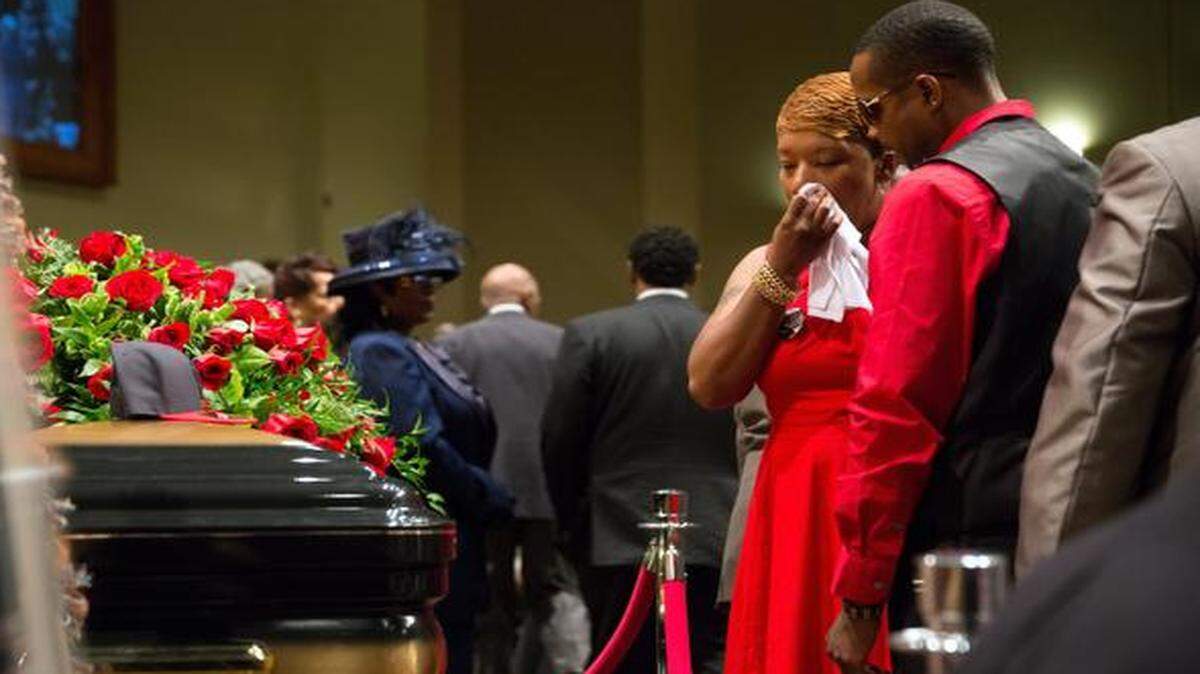
Hundreds of people attended Brown’s funeral Monday in St. Louis, where speakers called for unity, peace and justice. The 18-year-old, unarmed black man was shot to death by white Ferguson police Officer Darren Wilson.
That led to two weeks of protests in the St. Louis suburb. Autopsies have been done. A federal civil rights investigation is underway, and St. Louis County Prosecutor Robert McCulloch has begun presenting evidence to a grand jury in the slaying.
Missouri Attorney General Chris Koster is wisely using the case to convene a two-day public workshop in October to seek ways to increase the racial and ethnic diversity in the state’s urban police departments. Koster cited Sunday’s article in The Kansas City Star and one in the St. Louis Post-Dispatch reporting on the low number of African American, Latino and other minority officers on the state’s urban police forces compared to those communities’ sizable populations of color.
All law enforcement agencies should mirror the racial and ethnic diversity in the populations they serve. That helps build trust, accountability and community buy-in to the work officers must do to protect and serve.
In addition, all officers must undergo continuing cultural competency education to help prevent racial profiling and other problems.
It all starts with better recruiting, hiring and retention. Each must occur because as the diversity in the U.S. population keeps changing police departments will face an increasing need to keep up.