
David Knopf: They’re all century-old monuments ... what gets called historic?
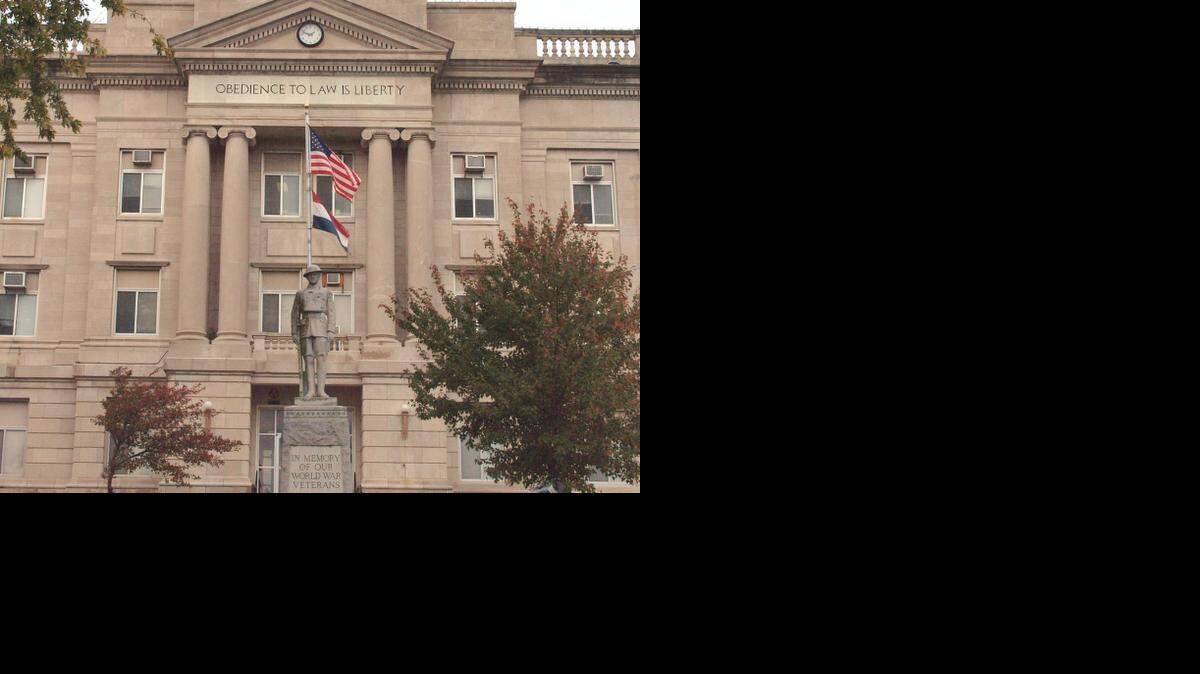
One of my jobs at the News Bunker is covering courts.
Proceedings take place in a three-story limestone building whose cornerstone was dedicated in 1914. There was a ceremony that included every civic club, church, marching band, chorus, speaker and big wheel in what was then The Known World.
It’s a wonder there was anyone left for an audience.
The cornerstone’s 100th anniversary prompted another ceremony this fall, albeit much smaller, to re-dedicate the original stone.
The courthouse is one of three buildings of historical stature still standing in Richmond.
A block to the west, there’s the refurbished Farris Theatre, built in 1901, and west of town, that preserved jewel of the past, the Ray County Historical Museum, built in 1909-10.
Of the three, only the former opera house has been granted the honorary modifier Historic, as if the Historic Farris Theatre is what appeared on the building permit.
Bowing to custom, our policy at the News Bunker is to use the word whether we think it needs it or not.
I’ve wondered for some time how local custom came to add Historic to embellish this wonderful old theatre’s name.
I figure if you’re a building here and make it to 100, it’s saying something. Ray County is rich historically, but few buildings of historic importance have been preserved. The courthouse and museum, both a century old, have survived, but neither is described by the honorary Historic, informally or otherwise.
I asked a local judge why this was, and he thought it might have to do with the theatre being listed on the National Register of historic Places. But I checked, and it turns out the courthouse and museum are also listed.
The theatre has been a cherished cultural center since it was built in 1901. The courthouse, built 13 years later, isn’t quite as old, but it’s used more than the theatre and has survived quite well.
There are tiled floors, wooden banisters and balcony, not to mention several original oak rockers that have been refurbished and are still used.
Step inside, and it’s like time travel.
Everyone of age here remembers when people, many rural, came to town on Saturday to stock up on things and sit in the courthouse lobby to catch up on the news.
That was back when busy retail stores lined four sides of the square.
There are still black and white photos of judges and county commissioners everywhere in the old building, people often long forgotten that serve as reminders how far back this building goes.
Not referring to it as the Historic Ray County Courthouse could have something to do with the tax bills paid here, the divorces filed and the guilty pleas entered in the third-floor courtroom.
When people think of the Historic Farris Theatre, they’re likely to have warm memories of shows they’ve seen, while the most common association with the courthouse may well be fighting an assessment or complaining about a rutted road.
Then there’s the third jewel, the Ray County Museum and its three floors of theme rooms devoted to things like the Civil War, schools, African Americans, World Wars, coal mining and farms of yesteryear.
This wonderful museum has a genealogy library on the first floor and a preserved jail — complete with surviving cells once used to house female prisoners and others thought to have mental disorders — in the basement.
The cells were used when the building served as the county “poor farm.” It was where indigent and elderly residents could live in rooms now converted to artifact-filled theme areas.
There’s polished hardwood everywhere — from door frames to floors to banisters — which only adds to the feeling of being somewhere old, somewhere historic.
As is the case for the venerable courthouse, the museum seems to carry on without the honorary Historic modifier. Odd thing is, the buildings lack nothing more than a word.
Contact David at davidknopf48@gmail.com.