
You can set Kansas City’s children on a course to a healthy future with these steps | Opinion
A distance of less than 5 miles should not predict a child’s or a community’s life expectancy. Yet data from the most recent Kansas City Health Department’s Community Health Assessment found a difference of 30 years — between census tracts with the highest life expectancy of 93 years and census tracts with the lowest life expectancy of 63 years.
I grew up at 57th and Central streets, where life expectancy for residents is 86-plus years. The children I work with now, as a pediatric nurse and health navigator, are growing up around 31st Street and Troost Avenue. It’s a 13-minute drive from my old neighborhood, yet their life expectancy is shorter by decades. Troost continues to divide the city racially and economically. The census tract data show 91% of the population east of Troost identifies as African American, and 94% west of Troost identifies as white Caucasian.
The U.S. spends about twice what other wealthy nations spend per capita on health care, yet finishes last on many health outcome measures, including life expectancy. We can improve the health and life expectancy of our most vulnerable children with interventions that cost very little. It starts with the intention to focus efforts on our youngest and most vulnerable young people.
Early childhood is a treasure trove of opportunity to interrupt transmission of adversity, poverty and toxic stress to the next generation. The importance of nurturing early relationships, safe and stable homes and neighborhoods, access to quality education, reliable transportation, healthy food and local employment opportunities cannot be overstated.
If you’re as disturbed as I am that simply growing up in a resource-poor neighborhood shortens a child’s life expectancy, please join me in efforts to level the playing field. Each of us can do something to help. This is an opportunity to create healthier childhoods for all children in Kansas City. Don’t be discouraged or overwhelmed. There are as many ways to help as there are people in our community. There are solutions to early childhood adversity and poverty.
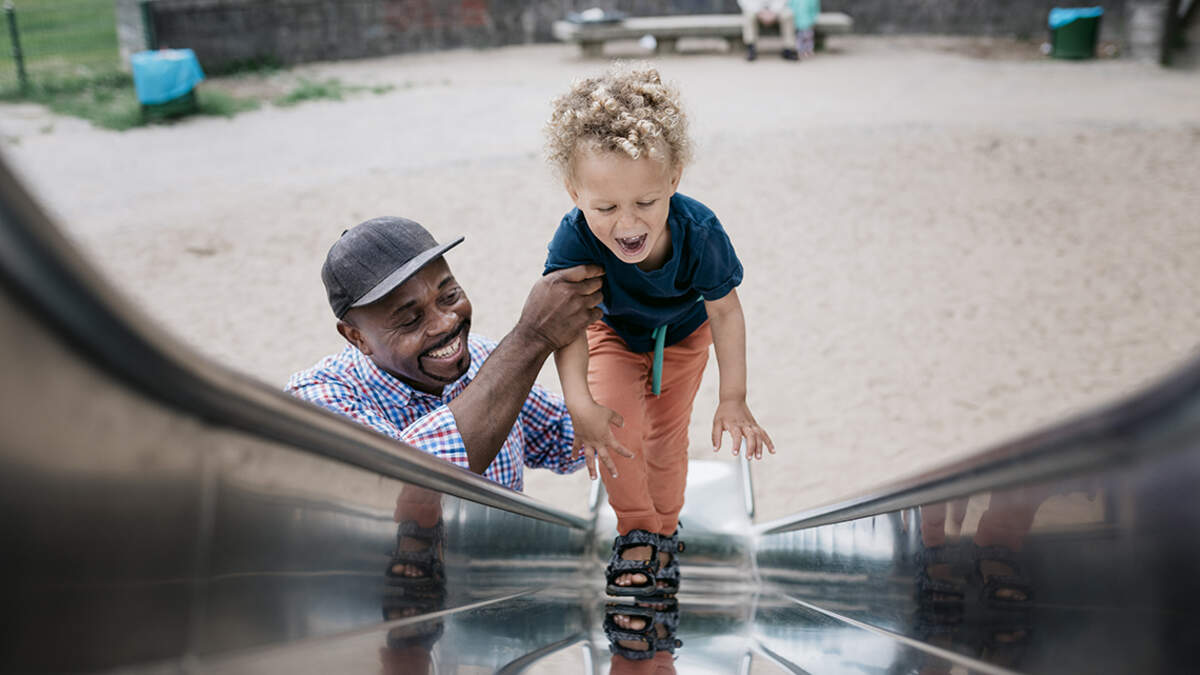
Current resilience research shows that ordinary, everyday positive relationships, routines and experiences make all the difference. Positive experiences for children include teachers who care about their students, good neighbors, having at least one good friend, liking school, eating family meals together and having a bedtime routine. Start by creating as many positive relationships and experiences with the kids closest to you. You may make all the difference for one child or many young people. This is a hopeful science that buffers the negative health and social impacts of early childhood trauma and adversity.
Seek opportunities to support children by volunteering at a local school, library or church. Make a donation of time, goods or financial support to local food pantries or early childhood education centers such as Head Start. Contact your local and state legislators and advocate for government and private insurance plans to cover home visiting programs such as Healthy Families America and Kansas City’s Nurse-Family Partnership Program — both excellent models that support young families.
Every child needs a safe, stable home and neighborhood. This requires intentional efforts to decrease crime and violence in the least resourced and most dangerous parts of the city. Every child in Kansas City deserves a healthy start in life and the opportunity to reach their full potential. Many children thrive in our wealthiest and safest neighborhoods. I invite you to embrace the hopeful science of positive childhood experiences for all children in our city, regardless of their address.
Geography should not predict a child’s life expectancy.
Donna O’Malley is a pediatric nurse promoting early relational health and positive childhood experiences as an intervention to interrupt the generational transmission of adversity and poverty to future generations.