Budget gives us a glimpse into Missouri’s no-state-income-tax future | Hudnall
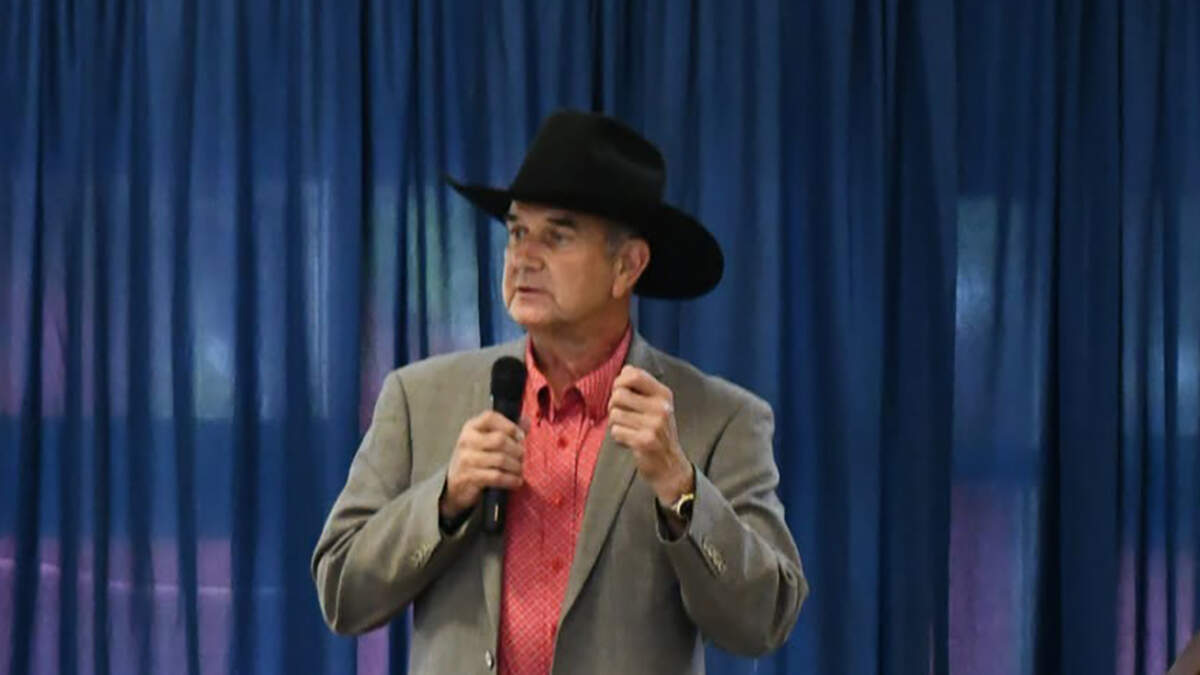
Missouri got a preview of its financial future yesterday. It wasn’t pretty.
Gov. Mike Kehoe spent Tuesday afternoon taking a red pen to the state budget, vetoing $53 million outright and freezing another $441 million in previously approved spending.
“State government doesn’t have a revenue problem,” Kehoe said in a release announcing the cuts. “We have a spending problem.”
With all due respect to the governor, Missouri plainly has a revenue problem. Specifically, the state decided last year to stop collecting a lot of revenue it used to collect when it eliminated Missouri's tax on capital gains.
Capital gains are the profits people make selling appreciating assets like stocks, investment properties, farmland and businesses. In other words, people wealthy enough to make money selling those kinds of assets no longer pay Missouri income tax on those profits. That Republican-led effort cost the state revenue in two ways. It triggered an additional $141 million in tax refunds — money the state otherwise would have kept — and contributed to a $162 million decline in income tax collections. That isn't the entire reason hundreds of millions of dollars were taken off the table Tuesday. Pandemic-era federal money has dried up. Medicaid costs continue to rise. But it is a real-world test of a short-sighted tax cut philosophy Republicans now want to expand dramatically.
August state income tax vote
In August, Missouri voters will decide whether to begin eliminating the state income tax entirely.
The state income tax is the source of roughly 65% of the state’s general revenue. Republicans want to phase it out gradually until nobody in Missouri pays it anymore.
What will fill that $8 billion hole in the budget?
They have no real answers beyond a general trickle-down economics belief that people will use the money they don’t pay in taxes to start businesses that create jobs. But this tired idea has been tried in many states, including Kansas, and it has never, ever worked.
It is true that states such as Florida and Texas, which are thriving economically, do not have state income taxes. But they're a weak comparison to Missouri. Those states didn't build their budgets around an income tax and then decide to dismantle it.
Florida raises enormous sums from the millions of tourists who pay hotel and sales taxes each year. Texas collects billions by taxing oil and gas production, and makes up much of the rest with property taxes that are among the nation's highest.
Missouri, with no mountains or beaches or gusher of an industry, has no comparable engine waiting in the wings. Replacing roughly $8 billion a year in income tax revenue would likely mean some combination of higher taxes elsewhere, deep spending cuts or extraordinary economic growth. I would be genuinely curious how many supporters of this proposal believe that last outcome is the most likely one.
What will happen is that you will get sales-taxed to death. And the burden of sales taxes fall disproportionately on lower- and middle-income families, who spend a larger share of what they earn on taxable goods while receiving comparatively little benefit from income tax cuts.
In the grand scheme, Tuesday’s cuts won’t break the state. Some nonprofits and workforce development programs took a hit. A bunch of road work will be delayed. Jefferson County won’t get a new park.
But if Missouri finishes with a state income tax repeal what it started with the capital gains repeal, it will be so much worse. Every year, there will be a little less for the people who need services and a little more room for the people who already have plenty. That is the future Kehoe and most Republicans want. Don’t let them have it.