
How small Missouri and Kansas meat ranchers can build a sustainable future | Opinion
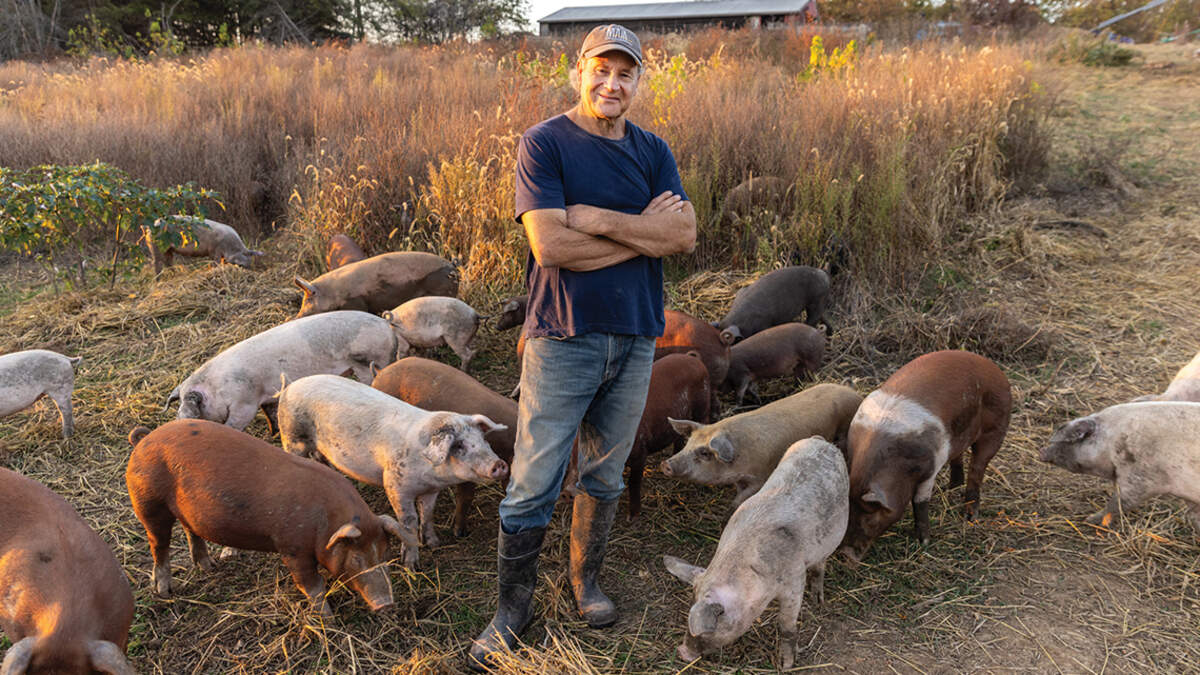
Wildwood Farm, a pork ranch in Osage County, Missouri, is committed to regenerative meat production.
The heirloom pork it produces near Jefferson City is certified as pasture-raised, crate-free, antibiotic-free and non-GMO Project Verified. It’s one of dozens of ranches — in Missouri, Kansas, the greater Midwest and across the country — that are determined to find more sustainable ways to produce meat.
What would it take to make Wildwood Farm’s approach to ranching the norm, instead of the exception?
Critics of livestock production point to legitimate concerns, including greenhouse gas emissions, water quality impacts and soil degradation associated with some production methods. But many ranchers are working to address those challenges through new approaches to land stewardship.
These ranchers utilize ranching techniques that promote soil and water health, limit greenhouse gas emissions and support biodiversity. And they do this while boosting rancher incomes and supporting small- and medium-size ranches.
My organization, Regenerative Social Finance, partners with several businesses that show what this looks like in practice:
- Mad Capital offers financing to farmers and ranchers transitioning from conventional to organic and regenerative practices – including Wildwood Farm.
- Cream Co. Meats is a 100% natural butchery and meat distributor. They partner with more than 20 sustainable, regenerative and family-owned farms and ranches that invest in practices such as no-till farming, rotational grazing and agroforestry. RSF was able to help it invest in its operations and support its growing customer base.
- Ventura Energy develops, owns and operates commercial and utility-scale solar. RSF is helping Ventura Energy develop a solar installation at a family-owned, certified-regenerative turkey ranch, bringing its energy practices in line with its commitment to sustainability.
When we think of meat production, we tend to balance two competing perspectives. On the one hand, we have industrial meat processors. They produce the majority of our country’s meat and employ thousands of people, but squeeze out smaller businesses and struggle to prioritize environmental health or the welfare of neighboring communities.
Others argue that reducing or eliminating meat consumption is the only responsible path forward. While those perspectives deserve consideration, they overlook the reality that meat remains an important part of many Americans’ diets and livelihoods. The question isn’t simply whether meat should be produced, but how.
I see a middle path for meat production — one that supports small, local producers and invests in a healthier environment. That middle path is regenerative ranching.
This approach prioritizes the small and family-run farms and ranches that we’ve depended on for generations. It invests in local food systems and production techniques that build more resilient agricultural businesses, stronger rural economies and healthier soil, air and water. These farms and ranches serve as a catalyst to encourage the larger meat production industry to adopt practices that are good for people and the planet.
These practices aren’t radical innovations. They’ve been pioneered by local farmers and ranchers for generations. My job as a lender is to find them — and then to find ways to support their long-term success.
At Regenerative Social Finance, we offer loans to small businesses and nonprofits that often struggle to access them from conventional banks. Those loans are supported by more than 1,000 individual investors who want their money working in real businesses creating real impact in local communities. About a quarter of those loans support agricultural businesses — including several regenerative ranches.
We are increasingly seeing interest in financing structures that support the transition to regenerative agriculture across major agricultural regions of the Midwest. RSF is currently leveraging state-backed small business loan guarantee programs to support our lending in California and Illinois. Programs such as the USDA’s business and industry loan guarantees in Missouri and Kansas could help this industry grow here, too.
Michael Jones is vice president of lending business development for Regenerative Social Finance, a 501(c)(3) nonprofit financial services organization that finances regenerative food and agriculture businesses.