
Kansas City won’t escape the US debt crisis. Here’s what we must do now | Opinion
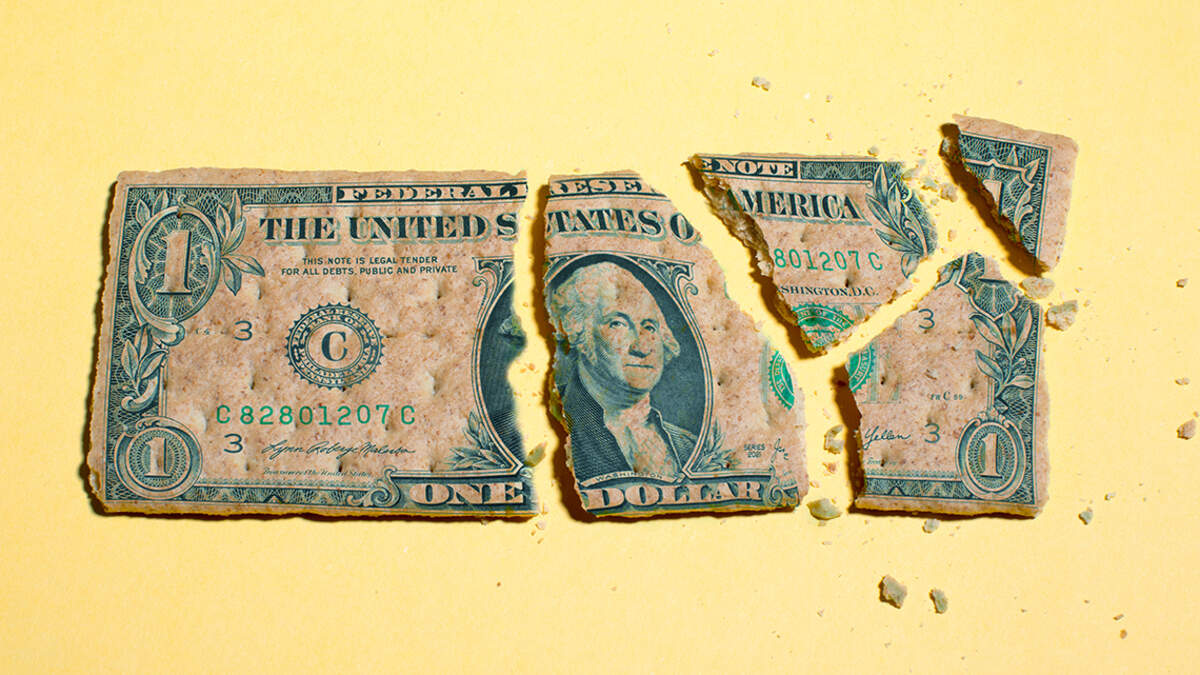
Many Kansas City-area families feel financially secure. Workers have good jobs, own homes and save responsibly for their retirement. Retirees expect their assets and income to support their lifestyle. But what if our nation’s growing fiscal problems jeopardize their assumptions? And how might these problems threaten those of us who are less secure?
We commonly hear the United States is $39 trillion in debt. But, if we want Social Security and Medicare Part A benefits to continue as is indefinitely, we’re $103 trillion in the hole, according to the latest trustee reports from the Social Security Old-Age, Survivors and Disability Insurance and Medicare programs. That’s nearly $300,000 for each U.S. taxpayer.
Those numbers double if we include projected Medicare Part B costs in excess of Part B premiums. Those costs are not labeled “underfunding,” because general revenues are required to cover them.
Often-reported lower numbers assume taxes continue, but the programs disappear in 75 years. Yes, people born 10 years from now are assumed to be obligated to pay Social Security and Medicare taxes until they retire — but would never get benefits.
Politicians haven’t solved this major problem because they fear being voted out of office if they try. Most politicians prioritize power over patriotism. We citizens must demand better.
For many decades, I’ve said that, as an actuary, I have no need for horror movies because reading the annual Social Security and Medicare financial reports is incredibly scary.
Bill Clinton and a Republican-controlled Congress balanced the budget in the late 1990s, the only surpluses we’ve had since 1969. We must demand bipartisan cooperation now. (Unfortunately, despite the balanced budget, off-budget entitlements increased our shortfall even during Clinton’s presidency.)
President Barack Obama appointed Democrat Erskine Bowles and Republican Alan Simpson to co-chair the bipartisan National Commission on Fiscal Responsibility and Reform. Their wonderful December 2010 report gave me hope. I loved some proposals and hated others, but I was happy to support the full, well-balanced package to avert catastrophe. Tragically, our government shelved the report. We need a new commission that will be respected.
I am the Kansas 2nd and 3rd Congressional Districts’ lead volunteer for the nonprofit No Labels, which — among other things — brings Democrats and Republicans, representatives and senators together in Washington, D.C., for meaningful discussions. No Labels also hosts outstanding webinars to educate the public. Recently, the organization published Nightmare on Main Street, available at nolabels.org — a description of what could happen.
Nightmare on Main Street paints its dismal scenario through the eyes of 20 fictional people, demonstrating that most people would be severely affected. You might find your or your relatives’ profiles among those examples — recent college graduate, single mother, working couple, retiree, portfolio manager, bank CEO, company owner.
Our current unsustainable path leads to disaster. The only question is when. Besides contacting politicians directly and making the debt and a bipartisan commission key issues when voting, you can track, support and promote No Labels’ work, along with these efforts that spotlight and address the crisis:
- The Fix the Debt campaign is run by the Committee for a Responsible Budget, founded in 1981 by GOP Sen. Henry Bellmon (K) and Democratic Rep. Robert Giaimo.
- The U.S. Debt Clock website (created in 2006) tracks lots of data, although it seems to ignore underfunded entitlements. Seymour Durst created the first U.S. Debt Clock in New York City in 1989.
- The Concord Coalition (founded by Paul Tsongas in 1992) educates us about unsustainable debt.
- The Peter G. Peterson Foundation and David Walker (its first CEO) bang the drum loudly.
In a 2021 blog post, my first lesson from COVID-19 was: “To be able to spend lots of money in such emergencies, we need surpluses in other years.” Alas, we have since increased deficits dramatically.
What will you tell your grandchildren when they ask, “What did you do when the U.S. was hurtling to financial collapse?”
Claude Thau is an insurance professional, former actuary and ex-inner city teacher. He lives in Overland Park.